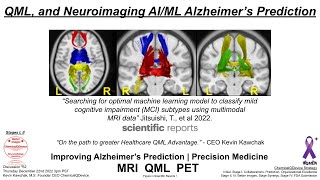
QML and Neuroimaging AI/ML for Alzheimer's Prediction
Explore cutting-edge AI/ML and quantum computing applications in Alzheimer's prediction using neuroimaging. Learn about multimodal approaches, recent research, and industry developments in QML for medical imaging.
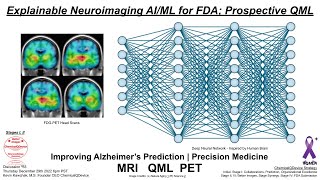
Explainable Neuroimaging AI/ML for FDA and Prospective QML
Explore explainable AI in neuroimaging, focusing on FDA requirements and future quantum machine learning applications. Gain insights into transparent algorithms for medical decision-making.
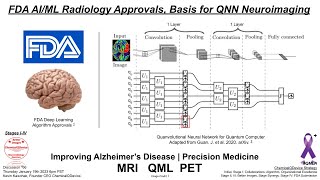
FDA AI/ML Radiology Approvals - Basis for Quantum Neural Network Neuroimaging
Explore FDA approvals for AI/ML in radiology and their implications for quantum neural networks in neuroimaging. Gain insights into regulatory processes and future prospects for quantum-based medical algorithms.
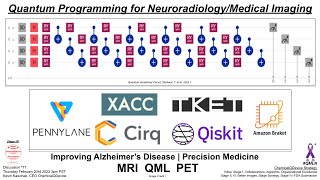
Quantum Programming for Neuroradiology and Medical Imaging
Explore quantum programming advancements for neuroradiology applications, focusing on Alzheimer's disease classification using Quantum Variational Circuits, QCNNs, and scalable quantum neural networks.
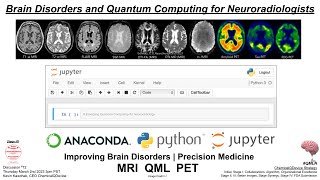
Brain Disorders and Quantum Computing for Neuroradiologists
Explore quantum computing's potential in neuroradiology, focusing on AI applications for brain MRI analysis and the benefits of hybrid quantum systems for processing large datasets in medical imaging.
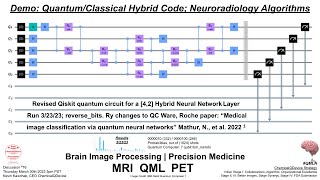
Quantum-Classical Hybrid Code for Neuroradiology Algorithms - Demo
Explore quantum-classical hybrid systems for neuroradiology, focusing on potential advancements in data processing, kernel sizes, and qubit entanglement for improved medical image analysis.
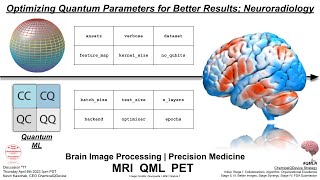
Optimizing Quantum Parameters for Better Results in Neuroradiology
Explore quantum convolution neural networks, quanvolutional neural networks, and related literature. Learn to build, run, and optimize quantum circuits for improved performance in neuroradiology applications.
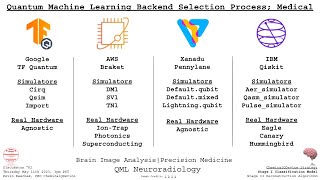
Quantum Machine Learning Backend Selection Process for Medical Applications
Explore quantum backend selection for machine learning in medicine. Compare simulators and hardware from IBM, Pennylane, Google, and AWS to optimize circuit performance and application suitability.
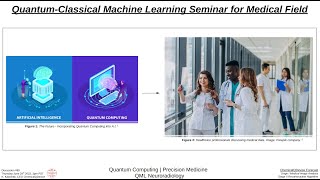
Quantum Classical Machine Learning for Medical Applications
Explore hybrid machine learning in healthcare, discussing quantum computing applications with EHR data and medical images. Gain insights into emerging technologies for healthcare professionals.
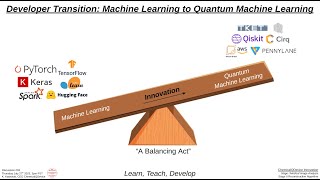
Developer Transition: Machine Learning to Quantum Machine Learning
Explore quantum machine learning frameworks, tools, and resources to transition from classical ML. Gain insights into QML algorithms, simulators, and future developments in the field.
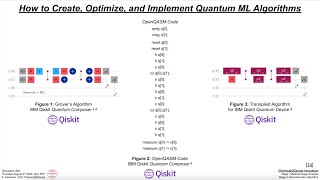
How to Create, Optimize, and Implement Quantum ML Algorithms
Explore quantum ML algorithm creation, optimization, and implementation. Master Qiskit circuits, pulse schedules, and transpiler passes. Learn hyperparameter tuning and platform integration techniques.
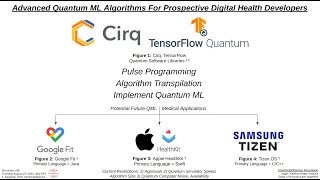
Advanced Quantum ML Algorithms for Digital Health - Integrating Cirq and TensorFlow Quantum
Explore advanced quantum ML algorithms for digital health, covering Cirq, TensorFlow Quantum, existing ML models, healthcare platforms, and FDA regulations for AI/ML in medical devices.
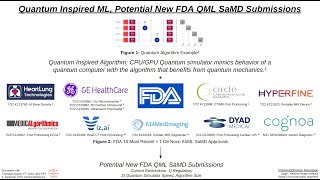
Quantum Inspired Machine Learning for FDA Quantum ML Software as Medical Device Submissions
Explore quantum-inspired algorithms for FDA AI/ML medical device submissions. Analyze recent approvals and potential quantum implementations in healthcare software.
Python PyTorch Quantum ML Ports and Models for Potential Medical Use
Explore quantum machine learning models using Python and PyTorch for medical applications. Learn to build and implement ports tailored for healthcare advancements.
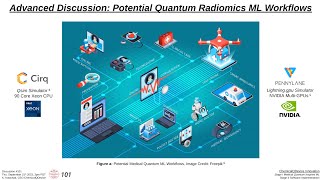
Advanced Discussion: Potential Quantum Radiomics ML Workflows
Explore quantum machine learning workflows for medical imaging, focusing on efficient state vector circuits, pure state representations, and exact expectation values. Discover recent advancements in large-scale quantum simulations.
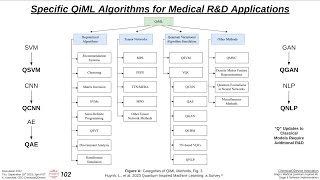
Specific QiML Algorithms for Medical R&D Applications
Explore quantum-inspired machine learning algorithms for medical R&D, focusing on practical solutions and their integration with classical workflows using PyTorch.
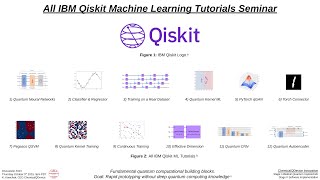
IBM Qiskit Machine Learning Tutorials
Explore IBM Qiskit Machine Learning tutorials for quantum-inspired models using Python. Learn rapid prototyping techniques, practical R&D workflows, and quantum simulators for state-of-the-art machine learning applications.
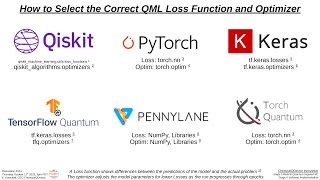
How to Select the Correct QML Loss Function and Optimizer
Explore loss functions and optimizers for quantum machine learning libraries. Learn to choose optimal parameters for accurate predictions and efficient model convergence in QML applications.
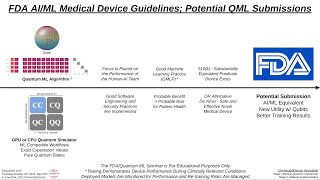
FDA AI/ML Medical Device Guidelines and Potential QML Submissions
Explore FDA guidelines for AI/ML medical devices and potential quantum machine learning submissions. Gain insights into regulatory frameworks and emerging technologies shaping the future of healthcare innovation.
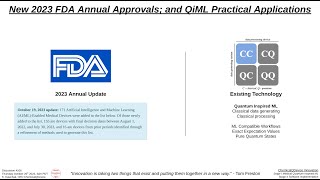
New 2023 FDA Annual Approvals and QiML Practical Applications
Explore FDA's 2023 AI/ML medical device approvals and quantum-inspired machine learning applications in healthcare, focusing on practical R&D potential for medical submissions.
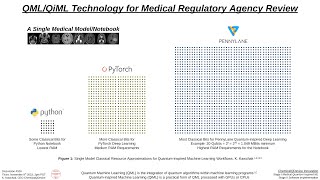
QML/QiML Technology for Medical Regulatory Agency Review - November 9, 2023
Explore QML/QiML technology for medical regulatory review, covering key organizations, fundamental areas, and specific medical research applications. Gain insights into FDA guidelines and next steps.