8 Bits Wisdom to Secure the Code of Life
Explore essential cybersecurity principles through 8 key insights, offering practical wisdom for securing code and protecting digital assets in today's threat landscape.
Web Timing Attacks That Actually Work - Practical Techniques and Tools
Discover practical web timing attack techniques to uncover server secrets, masked vulnerabilities, and hidden attack surfaces using efficient, real-world methods and open-source tools.
Breaking Secure Web Gateways: Last Mile Reassembly Attacks
Uncover critical vulnerabilities in Secure Web Gateways through "Last Mile Reassembly Attacks" and learn how to bypass enterprise-grade security solutions using an open-source attack toolkit.
Empowering a Connected Intelligent World With OpenHarmony and Oniro
Explore how OpenHarmony and Oniro operating systems enable seamless device connectivity, intelligent data analysis, and secure communication in the evolving AIoT landscape.
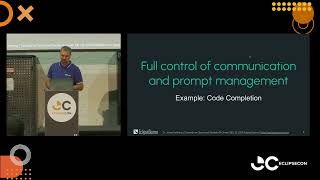
Towards an Open and Flexible AI-Driven IDE: A Vision and Proof of Concept with Theia
Explore the vision for an open-source, AI-driven IDE built on Theia that offers customizable AI integration, enhanced privacy controls, and freedom from vendor lock-in for modern development workflows.
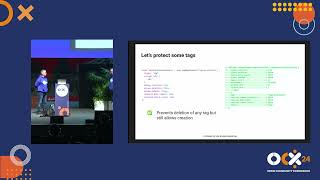
GitHub for Fun, Profit, and Security
Master GitHub's advanced features for enhanced productivity, security, and efficient organization management through configuration-as-code solutions and best practices for access control.
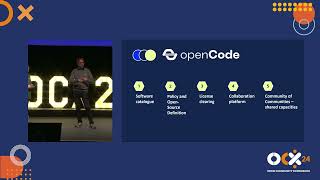
Full Stack Digital Sovereignty - Building Sovereign Software Infrastructure for the Public Sector
Discover how to build sovereign software infrastructure for public sectors through open-source governance, sustainable development practices, and effective collaboration between government and OS communities.
The Missing Post Mortem: Social Engineering Attacks on Open Source Projects
Delve into the critical analysis of social engineering attacks targeting open source projects, examining security gaps and exploring solutions that maintain open source community values and innovation potential.
Reducing Risk in Software Supply Chains: A Project Health Perspective with Kubernetes Example
Explore a novel risk assessment model for evaluating open-source dependencies' health and sustainability, with practical insights using Kubernetes as a case study.
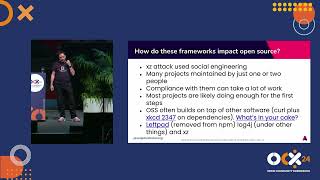
Secure Development in Open Source - The Road to SLSA Level 3 Compliance for Eclipse Temurin
Discover how Eclipse Temurin achieves SLSA Level 3 compliance through secure development practices, cloud-based Jenkins implementations, and open-source distribution methods across multiple platforms.

Fortifying AIOps with CSAF and VEX Integration for Enhanced Security Management
Discover how to enhance AIOps security through CSAF and VEX integration, enabling real-time vulnerability management and improved threat response for server and storage infrastructure.

Challenges and Opportunities in Storage Security - Data Center Security and Sustainability
Explore evolving storage security trends, from quantum computing challenges to data sanitization requirements, while understanding implementation strategies for secure and sustainable datacenter operations.

SPDM and Post Quantum Cryptography - Security Protocol Updates and Storage Bindings
Explore DMTF's SPDM security protocol updates, including post-quantum cryptography implementation, storage bindings for NVMe/SAS/SATA, and TCP encryption strategies for enhanced data protection.

Changes in Encryption and Other Security Algorithms for Storage Systems
Explore the latest developments in storage security standards, focusing on XTS-AES encryption improvements, device sanitization protocols, and cross-organizational standards coordination for enhanced storage protection.

SNIA Computational Storage Standards - Architecture and Programming Model Enhancements
Discover the latest enhancements in computational storage standards, focusing on security, command sequencing, and API improvements for advanced data processing and storage architecture implementation.
Protecting WebAssembly Workloads with Confidential Computing and Trusted Execution Environments
Explore how to secure WebAssembly workloads using Confidential Computing and Trusted Execution Environments, focusing on WASI implementation, privacy-preserving AI, and practical applications in cloud/edge computing.

Composable Concurrency for WebAssembly Components
Explore the evolution of WebAssembly's Component Model, focusing on composable concurrency features, sandboxing capabilities, and multi-language integration through practical Python and Rust examples.

The WebAssembly Component Model - Rocketfuel for Web Development and APIs
Dive into WebAssembly Component Model's architecture, security features, and practical implementation through hands-on demonstrations and real-world integration examples from NGINX's experience.
User-Level and Federated Local Differential Privacy in Statistical Inference
Explore fundamental statistical inference challenges in distributed data systems with differential privacy constraints across servers and users, focusing on privacy-preserving information transmission.
Executing Your First Reverse Shell with TryHackMe - A Beginner's Guide
Master the fundamentals of executing reverse shells through a guided walkthrough of TryHackMe's platform, featuring practical cybersecurity skills and hands-on learning experiences for beginners.
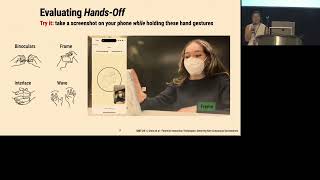
Feminist Interaction Techniques - Social Consent Signals to Deter NCIM Screenshots
Explore innovative interaction techniques inspired by feminist principles to prevent non-consensual intimate media sharing through screenshot deterrence mechanisms and social signals.