
Introduction to Convolutional Neural Networks - Part 1 - Lecture 6
Comprehensive introduction to Convolutional Neural Networks, covering history, architecture, key concepts, and applications in image processing and beyond.
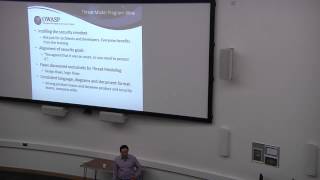
Threat Modeling - A Brief History and the Unified Approach at Intuit
Unified approach to threat modeling combining STRIDE and asset-based methods. Focuses on identifying assets, attacker profiles, and controls for software architecture and system deployments.
Application Threat Modeling Implementation Tips and Tricks
Learn essential tips and techniques for implementing application threat modeling, including DFD design for microservices and client-side frameworks, and effective threat identification and risk analysis strategies.
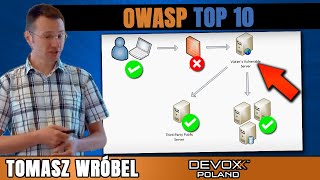
What's Not So New in the New OWASP Top 10 - Devoxx Poland 2022
Explore OWASP Top 10 updates, focusing on insecure design. Learn defense-in-depth strategies, secure design principles, and threat modeling methodologies like STRIDE for improved web application security.

Iterative Threat Modelling - Security in Agile Development
Learn iterative threat modeling for agile development. Explore misconceptions, methodologies, and practical examples using OWASP Juice Shop. Discover effective ways to identify, prioritize, and mitigate security risks.

Advanced NumPy - SciPy Japan 2019 Tutorial - Juan Nunuz-Iglesias
Hands-on tutorial exploring advanced NumPy concepts: broadcasting, strides, and indexing. Ideal for Python users familiar with array computing, taught by scikit-image core developer.

Convolutional Neural Networks - Full Stack Deep Learning - Spring 2021
Explore convolutional neural networks, from basic operations to advanced concepts like dilated convolutions and pooling. Learn about the classic LeNet architecture and gain insights into ConvNet implementation.
Threat Modelling and Beyond for Cisco ACI
Explore advanced threat modeling techniques for Cisco ACI, covering physical layout, architecture, STRIDE analysis, and potential vulnerabilities in network security.

Using the Threat Modeling Manifesto to Build an Enterprise Threat Modeling Program
Learn to build an enterprise threat modeling program using the Threat Modeling Manifesto. Discover key principles, benefits, and practical tips for implementing effective security practices across your organization.
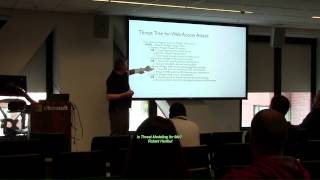
Is Threat Modeling for Me
Explore threat modeling essentials, including data flow diagrams, STRIDE methodology, and addressing threats. Learn to identify and mitigate security risks in your systems effectively.
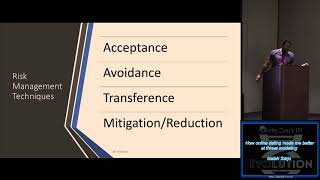
How Online Dating Made Me Better at Threat Modeling
Explore how online dating experiences can enhance threat modeling skills, covering risk assessment, data protection, and security strategies in digital interactions.
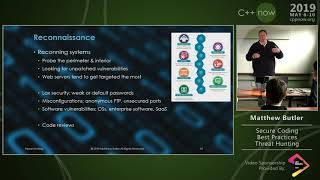
Secure Coding Best Practices - Threat Hunting
Explore threat modeling and secure coding practices in C++, focusing on identifying attack surfaces, analyzing vulnerabilities, and implementing effective defense strategies for robust software design.

Effective Threat Modeling for Better Software Security
Discover essential threat modeling methodologies and tools to enhance software security throughout the development lifecycle, with practical insights from Thales' proven practices.