Scientists in Action: Mighty Mutations and Dazzling DNA - Understanding Human Genetic Variation
Explore the fascinating world of genetics with a genomics scientist, discovering how DNA mutations shape human uniqueness and our surprising genetic connections to other species.
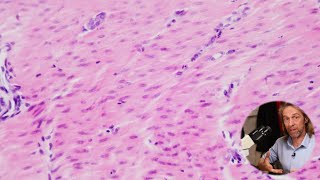
Microscopic Anatomy of Smooth Muscle - A Comparison with Skeletal and Cardiac Muscle
Explore the microscopic structure of smooth muscle tissue, comparing its unique features with skeletal and cardiac muscle while understanding its vital role in organs and blood vessels.
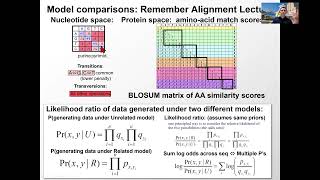
Comparative Genomics - Lecture 20
Explore comparative genomics principles and methodologies for analyzing DNA sequences across species to understand evolutionary patterns and functional elements.
Spatiotemporal Patterns in Animal Movement: From Trajectories to Interactions - Class 2
Explore advanced concepts in animal movement patterns, focusing on trajectory analysis and interaction dynamics in biological physics across different scales.
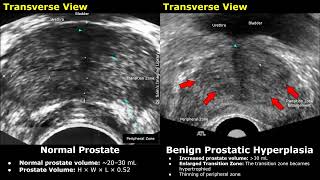
Transrectal Prostate Ultrasound - Normal vs BPH Findings Using TRUS Images
Explore ultrasound imaging characteristics of normal prostate anatomy and BPH, including transition zone changes, volume measurements, and intravesical prostatic protrusion grading.

The Impact of Chronic Stress on Tumor Progression and Metastasis
Explore groundbreaking research on how chronic stress affects tumor growth and spread, focusing on immune system changes and their role in cancer progression.
Neoantigen Targeting in Cancer Immunotherapy - Current Strategies and Future Directions
Explore the mechanisms of neoantigen generation and immune system recognition in cancer immunotherapy, covering antigen presentation, immune activation, and emerging therapeutic strategies.

Identifying Clinically Relevant Mutations in Somatic NGS Testing
Discover how to effectively identify and interpret clinically significant mutations in NGS cancer testing, focusing on practical approaches to overcome data interpretation challenges in precision medicine.

Unraveling the Roles of Copy Number Variants in Tumorigenesis
Explore genomic analysis of cancer cells, focusing on Copy Number Variants (CNVs) as biomarkers and their detection through OncoScan CNV assays for understanding tumor development and progression.

Accelerate Discovery and Development by Optimizing the Protein Engineering Workflow
Discover advanced techniques for optimizing protein engineering workflows, from gene synthesis to protein expression, with emphasis on enhanced antibody yields and improved codon usage strategies.
NIH Interest in the Field of Precision Nutrition - Understanding Individual Dietary Responses
Discover how NIH's Nutrition for Precision Health program uses AI, microbiome research, and diverse participant data to develop personalized dietary recommendations and predict individual responses to different foods.
Comprehensive Profiling of Cancer Neoantigens From Aberrant RNA Splicing
Discover how computational methods identify and analyze cancer neoantigens from aberrant RNA splicing, focusing on DNA mutations and de novo RNA aberrations for advancing immuno-oncology treatments.

The Relationship Between Language and Thought - Episode 2
Explore the intricate connection between human language and cognitive abilities through expert discussions on evolution, intelligence, and the fundamental role of communication in human society.

Psyllium Fiber and Metabolic Syndrome - Understanding Prevention and Treatment
Discover how psyllium fiber can help manage metabolic syndrome, reduce heart disease risk, and improve overall health outcomes through evidence-based insights from Stanford medicine.

Wholesome Harvest - Elevating Thanksgiving with Healthy Side Dishes
Learn to transform traditional Thanksgiving sides into nutritious, flavorful dishes with expert guidance from a registered dietitian. Master healthy ingredient swaps and cooking techniques for reimagined holiday classics.

Coding a Disability Inclusive World - Three Stories of Digital Accessibility
Discover how to create inclusive digital interfaces that empower individuals with disabilities through real-world stories and practical solutions for accessible software development.

scPRINT - Pre-training on 50 Million Cells for Robust Gene Network Predictions
Discover how scPRINT, a large cell model pre-trained on 50M+ cells, revolutionizes gene network inference while offering powerful capabilities in denoising, batch correction, and cell prediction.
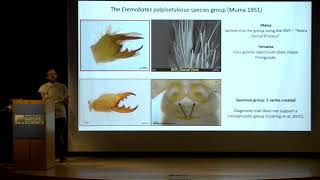
Taxonomic Revision of Great Plains and Chihuahuan Camel Spiders - Eremobates Palpisetulosus Species Group
Discover the fascinating world of camel spiders through molecular and morphological research, exploring new taxonomic insights into the North American Eremobatidae family and species classification.

Cognitive Collectives - Understanding Multi-Scale Collective Intelligence
Explore groundbreaking research on collective animal behavior and intelligence through Max Planck Institute's examination of cognitive systems and group decision-making dynamics.
Collective Behavior from Surprise Minimization
Explore how cognitive principles and probabilistic decision-making drive collective behavior in animal groups, offering new perspectives on emergent patterns in biological and engineered systems.

Dynamic Mechanical Phases in Active and Passive Fluids
Explore the microscopic origins of mechanical states in colloidal suspensions and active gels, examining stress distribution patterns and dynamic phase transitions under external stimuli.