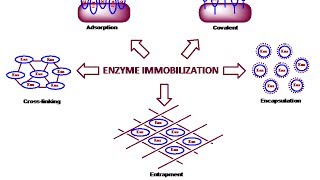
Industrial Microbiology
Explore enzyme immobilization techniques, bioreactor types, and fermentation processes in industrial microbiology, enhancing your understanding of biotechnology applications.

How to Pass Your Microbiology Lab - Practical Skills
This playlist includes videos for AP Biology, MCAT, and NEET students, particularly for practical applications of lab skills, including stains and biochemical tests.

Food Microbiology
Explore microbial interactions in food, from spoilage to fermentation. Learn preservation techniques, food safety, and regulations while discovering the role of microorganisms in various food products.

Microbiology - Infectious Diseases
In this playlist we will go over some fundamental concepts in microbiology, and then focus largely on going through these infectious diseases one at a time, so we can learn about the pathogens that cause them, how their virulence operates, and how we can…

Introduction to Microbiology - Medical Education Videos
Comprehensive overview of microbiology essentials, covering microbes, bacteria, fungi, protozoa, and extreme environments. Ideal for medical students preparing for exams and enhancing their understanding of microbial life and diseases.

Antibiotics
Comprehensive exploration of antibiotics, covering mechanisms, bacterial coverage, empiric use, adverse effects, resistance, and clinical cases. Equips learners with essential knowledge for effective antibiotic use in medical practice.

Microbiology Diagnostic Tests
Comprehensive overview of microbiology diagnostic techniques, including tests, stains, and agars. Ideal for AP Biology, MCAT, and NEET students seeking in-depth understanding of laboratory methods.
Computational Systems Biology
Explore computational approaches to model and analyze biological systems, from network biology to dynamic modeling, with hands-on labs using MATLAB and other tools.
Grade 12 Biology Unit 1 Microorganisms
Explore microorganisms and bacteria in this comprehensive Ethiopian Grade 12 Biology unit, covering essential concepts and characteristics of these microscopic life forms.
Microbiology Lectures
Comprehensive exploration of microbiology fundamentals, covering cell structures, genetics, microbial control, host-microbe interactions, immunology, and laboratory techniques for aspiring microbiologists.
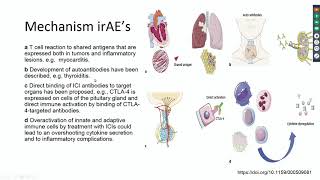
Complications of Immunotherapy in Oncology
Explore immune checkpoint treatments, adverse events, and management strategies in oncology, including COVID-19 implications and guidelines for various side effects.
Microbiology - Prions, Viruses, Bacteria, Fungi & Parasites
Comprehensive overview of microscopic organisms, covering prions, viruses, bacteria, fungi, and parasites. Explores their biology, mechanisms, and impact on human health.
Picmonic Microbiology - Pseudomonas, Proteus & Salmonella - Gram-Negative Rods
Explore key gram-negative rods: Pseudomonas, Proteus, and Salmonella. Learn their characteristics, associated diseases, and clinical significance through animated mnemonics and engaging content.
Quality Assurance and Auditing in Clinical Microbiology - Kristen Winterburn
Comprehensive overview of quality assurance in clinical microbiology, covering ISO standards, assessments, and practical examples of quality practices for improved patient care.
New Approaches to Vaccine Development for TB and HIV
Explores innovative vaccine development strategies, focusing on lipid nanoparticles and lymph node targeting for HIV/TB. Discusses improved antigen delivery, immune response enhancement, and safety considerations in vaccine design.
Update on Cryptococcal Disease in HIV-Infected Patients - Lecture 7
Comprehensive update on cryptococcal disease in HIV patients, covering epidemiology, diagnostics, treatment strategies, and recent clinical trials. Emphasis on optimal timing of antiretroviral therapy initiation.
Basic Course in HIV - Resistance and Antiretroviral Therapy
Learn about HIV resistance, antiretroviral therapy, and managing drug-resistant strains in this comprehensive overview from Harvard experts.
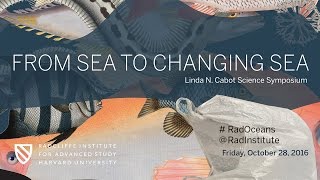
Early Life in the Oceans - From Sea to Changing Sea
Explore the origins and evolution of marine life with leading experts, discussing microbial ecosystems, deep-sea organisms, and the impact of changing oceans on early life forms.
Evolutionary Forces in Humans and Pathogens - Natural Selection and Genomic Studies
Explore genomic evolution in humans and pathogens, focusing on natural selection, adaptive traits, and disease-causing microbes. Learn about cutting-edge research methods and their public health implications.
Prospects for an HIV Vaccine and Cure
Exploring HIV vaccine and cure prospects, this lecture covers epidemic status, molecular approaches, challenges, and potential breakthroughs in HIV research and treatment strategies.
Bird Flu Research: Dangerous Information on a Deadly Virus
Experts debate publishing bird flu research that made the virus more contagious, exploring scientific freedom, biosecurity, and public health implications.