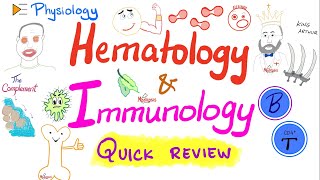
Review of Blood Physiology and the Immune System - Immunology and Hematology
Comprehensive overview of blood physiology, immune system, and related topics, covering plasma, blood cells, iron metabolism, vitamins, and immunology concepts for medical students.
Infectious Disease - How Vulnerable Is Your Family and Our Community?
Explore influenza, measles, and emerging diseases like Ebola. Learn about new discoveries, risk reduction strategies, and Stanford's Level 1 Trauma Center capabilities for protecting your family and community.
Thyroid Eye Disease - Understanding the Disease and New Treatments
Explore causes, impacts, and new treatments for Thyroid Eye Disease with Dr. Kossler. Learn about multidisciplinary approaches, including steroids, radiation, surgery, and innovative biologic therapies for this vision-threatening condition.

Immunology with Hematology
UCI BioSci M121 covers the following topics: Antibodies, antigens, antigen-antibody reactions, cells and tissues of lymphoreticular and hematopoietic systems, and individual and collective components of cell-mediated and humoral immune response.
Respiratory & Allergy Medications - The Advanced EM Pharmacology Course
Comprehensive review of respiratory and allergy medications, covering pathophysiology, drug classes, and management strategies for asthma and COPD. Ideal for emergency medicine practitioners seeking in-depth pharmacological knowledge.

Systemic Lupus Erythematosus Nursing NCLEX Review - Pathophysiology, Symptoms, Treatment
Comprehensive review of systemic lupus erythematosus for nurses, covering pathophysiology, symptoms, treatments, and interventions. Ideal for NCLEX preparation and nursing practice.

Travel Medicine - What You Should Know Before You Go
Comprehensive guide to travel medicine, covering vaccinations, medications, and prevention strategies for common travel-related illnesses. Essential information for safe international travel.
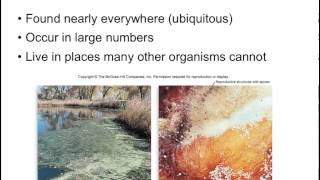
Microbiology Lectures
Comprehensive exploration of microbiology fundamentals, covering cell structures, genetics, microbial control, host-microbe interactions, immunology, and laboratory techniques for aspiring microbiologists.
Systemic Lupus Erythematosus
Comprehensive overview of Systemic Lupus Erythematosus, covering epidemiology, pathophysiology, clinical manifestations, diagnosis, and treatment options for healthcare professionals.
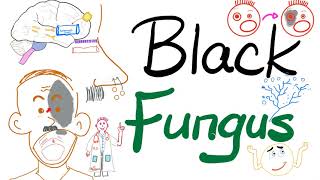
Black Fungus and COVID-19
Explore the connection between black fungus (mucormycosis) and COVID-19, including causes, symptoms, and complications in immunocompromised patients, particularly those with uncontrolled diabetes.

ELISA Test - Direct, Indirect & Sandwich
Comprehensive exploration of ELISA techniques: direct, indirect, and sandwich methods. Covers principles, procedures, advantages, and applications in medical diagnostics and research.

Biomolecular Engineering - Engineering of Immunity and Vaccine Development
Explore vaccine development, from smallpox history to modern bioengineering. Learn about immune system roles, vaccination methods, and potential bioterrorism concerns in this comprehensive lecture.

COVID-19 Vaccines - Moderna, Pfizer-BioNTech, AstraZeneca
Comprehensive overview of COVID-19 vaccines from Moderna, Pfizer/BioNTech, and AstraZeneca, covering development phases, mechanisms of action, and latest efficacy data.
From R&D to FDA Authorization and Approval: An Inside Look at the Vaccine Development Process
Explore the vaccine development process from R&D to FDA approval, addressing safety concerns and public skepticism while highlighting scientific progress and regulatory challenges.
Sinusitis - Understanding Diagnosis and Treatment
Comprehensive overview of sinusitis, covering diagnosis, treatment options, and management strategies for this common respiratory condition.
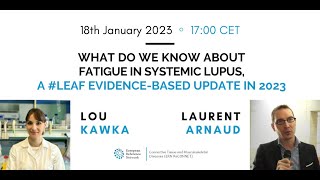
Fatigue in Systemic Lupus: A LEAF Evidence-Based Update
Explore fatigue in systemic lupus erythematosus: causes, impacts, and innovative management strategies using the LEAF digital tool for personalized assessment and advice.
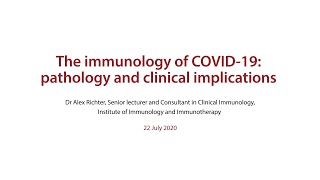
The Immunology of COVID-19: Pathology and Clinical Implications
Explore COVID-19 immunology, pathology, and clinical implications with Dr. Alex Richter. Learn about immune responses, antibody testing, and long-term effects in this expert-led seminar.
New Approaches to Vaccine Development for TB and HIV
Explores innovative vaccine development strategies, focusing on lipid nanoparticles and lymph node targeting for HIV/TB. Discusses improved antigen delivery, immune response enhancement, and safety considerations in vaccine design.
Prospects for an HIV Vaccine and Cure
Exploring HIV vaccine and cure prospects, this lecture covers epidemic status, molecular approaches, challenges, and potential breakthroughs in HIV research and treatment strategies.
HIV Cure Research Overview - Current Strategies and Future Directions
Explore the latest HIV cure research strategies, recent breakthroughs, and future directions with Dr. Raj Gandhi in this comprehensive overview of cutting-edge scientific developments.
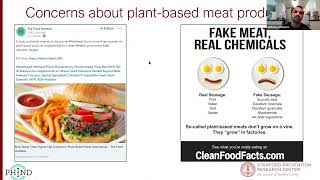
Plant-Based Meat vs. Animal Meat Effects on Inflammation Biomarkers - Winter 2022
Explore the impact of plant-based vs. animal meats on inflammation biomarkers through a secondary analysis of the SWAP-MEAT trial, presented by Dr. Anthony Crimarco from Stanford University.