
ELISA Test - Direct, Indirect & Sandwich
Comprehensive exploration of ELISA techniques: direct, indirect, and sandwich methods. Covers principles, procedures, advantages, and applications in medical diagnostics and research.
Picmonic Microbiology - Pseudomonas, Proteus & Salmonella - Gram-Negative Rods
Explore key gram-negative rods: Pseudomonas, Proteus, and Salmonella. Learn their characteristics, associated diseases, and clinical significance through animated mnemonics and engaging content.

Glaucoma - Open-Angle, Closed-Angle, Symptoms, Pharmacology, Pathophysiology Nursing NCLEX
Comprehensive overview of glaucoma, covering types, pathophysiology, treatments, and nursing considerations. Includes medication details, surgical options, and patient education for NCLEX preparation.
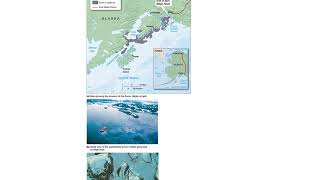
Marine Pollution Lecture
Comprehensive overview of marine pollution types, sources, and impacts, covering oil spills, chemical contaminants, sewage, plastics, and environmental regulations.
Implementation Guidance for Carcinomas and Mucinous Neoplasms of the Appendix
Guidance on histopathological reporting of appendiceal carcinomas and mucinous neoplasms, covering classification, staging, and challenging cases for pathologists.
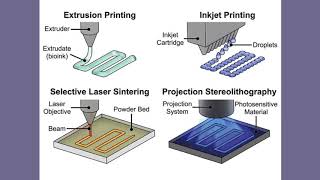
3D Bioprinting of Organs Part 1 - MRS OnDemand Webinar
Explore 3D bioprinting for organ fabrication, focusing on extrusion techniques, challenges, and strategies for creating functional tissue constructs with clinical applications.

Cardiovascular - Electrophysiology - Intrinsic Cardiac Conduction System
Comprehensive exploration of the heart's intrinsic conduction system, covering key components and their roles in cardiac electrophysiology. Ideal for medical students and healthcare professionals.

Anatomical Orientation and Regional - Directional Terminology
Comprehensive overview of anatomical orientation, regional, and directional terminology using a skeleton model. Covers axial and appendicular skeletons, enhancing understanding of human body structure.

Regulation of Breathing - Respiratory Centers - Part 1
Explore higher functioning respiratory centers with Professor Zach Murphy, covering pneumotoxic center, ataxic center, and dorsal and ventral respiratory groups in breathing regulation.

How Does Breathing Actually Work
Explore the intricate anatomy and mechanics of breathing, from thoracic structures to neural control, in this informative video featuring real cadaver demonstrations.
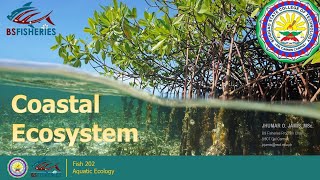
Coastal Environment
Explore coastal ecosystems, their classification, and the vital role of mangroves in environmental protection and sustainable development.
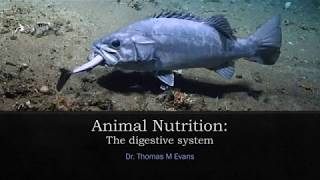
Animal Nutrition
Explore the digestive system's components and functions, from the stomach to the large intestine, including the roles of the liver and pancreas in nutrient processing.
Gastroesophageal Reflux Disease - GERD
Comprehensive overview of GERD, covering pathophysiology, complications, mechanisms, diagnosis, and treatment options. Ideal for medical students and healthcare professionals seeking in-depth understanding.
Inflammatory Bowel Disease - Crohn's & Ulcerative Colitis: USMLE Step 2 Rapid Review
Comprehensive review of Inflammatory Bowel Disease, covering causes, pathophysiology, clinical features, diagnosis, and treatment for Crohn's and Ulcerative Colitis. Ideal for USMLE Step 2 preparation.

EKG Basics - How to Read & Interpret EKGs
Comprehensive guide to understanding electrocardiograms, covering waveforms, deflections, and lead placements. Builds foundational skills for interpreting EKGs and their clinical significance.
Gastrointestinal - Bile Synthesis
Comprehensive exploration of bile synthesis in the gastrointestinal system, covering key processes, components, and physiological significance for digestive function and metabolism.

Embryology - Development of Vascular System
Comprehensive exploration of vascular system embryology, covering vasculogenesis and the development of arterial and venous systems. Ideal for medical students and professionals seeking in-depth understanding of cardiovascular formation.

Embryology - Mesoderm
Comprehensive exploration of mesoderm derivations in embryology, covering paraxial, intermediate, and lateral plate regions with helpful mnemonics for enhanced understanding.
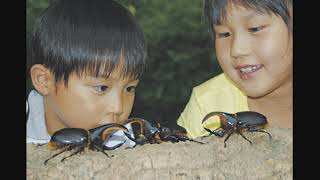
The Decline of Insects - What Should We Do About It?
Explore the alarming decline of insects, its implications, and actionable strategies to protect these vital creatures and drive positive environmental change.

Next Generation Sequencing 2 - Illumina NGS Sample Preparation - Eric Chow
Learn Illumina NGS sample preparation techniques, including DNA/RNA library prep, bead-based cleanups, and quality control. Gain practical insights for successful next-generation sequencing experiments from an expert in the field.
Understanding File Formats in Bioinformatics - VCF and gVCF
Comprehensive guide to VCF and gVCF file formats in bioinformatics, covering structure, interpretation, and key concepts like genotypes, alleles, and variant recording for genomic analysis.