
Bioinformatics for Cancer Genomics 2016
Explore key bioinformatics concepts and tools for analyzing cancer genomic data, including mutation detection, gene expression, and data integration techniques.
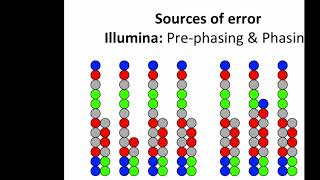
Bioinformatics for Cancer Genomics 2015
Explore cancer genomics through mapping, gene fusion, copy number alterations, somatic mutations, gene expression profiling, and network analysis. Gain insights into cutting-edge bioinformatics techniques for understanding cancer at the molecular level.
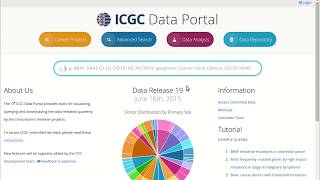
Cancer Data and Its Analysis - 2015
Explore cancer genomics data analysis using ICGC Data Portal and learn pathway and network analysis techniques for understanding cancer biology.
Bioinformatics for Cancer Genomics 2013
Explore cancer genomics through data visualization, alignment, mutations, pathway analysis, and gene expression profiling. Learn to interpret biological data for cancer research.
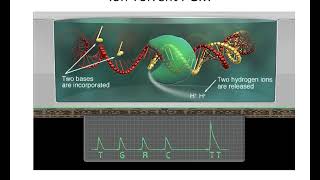
Bioinformatics for Cancer Genomics 2012
Explore cancer genomics through somatic mutations, clinical data integration, and copy number alterations. Gain insights into bioinformatics techniques for analyzing cancer genomes.
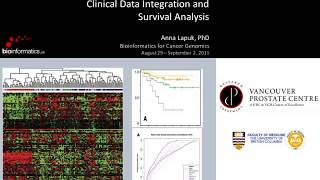
Bioinformatics for Cancer Genomics 2011
Comprehensive exploration of cancer genomics, covering mutations, clinical data integration, pathway analysis, copy number alterations, and gene expression profiling for advanced bioinformatics insights.

Interpreting Gene Lists from Omics Studies 2010
Explore pathway and network analysis techniques for interpreting gene lists from omics studies, focusing on over-represented gene functions and their biological significance.
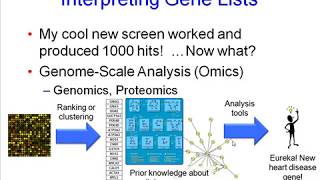
Interpreting Gene Lists from Omics Studies 2009
Explore techniques for interpreting gene lists from omics studies, including functional analysis, pathway analysis, and network analysis of genomic data.
Natural Selection and Evolution
Explore types of natural selection, evolutionary theories, and real-world examples like antibiotic resistance in this concise overview of evolutionary biology concepts.
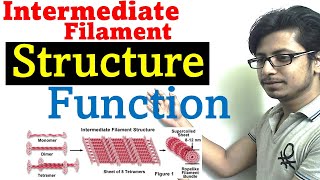
Cell Organelle Structure and Function
Explore cell organelles' structures and functions, from nucleus to mitochondria. Gain in-depth understanding of cellular components and their roles in energy production, protein synthesis, and overall cell function.
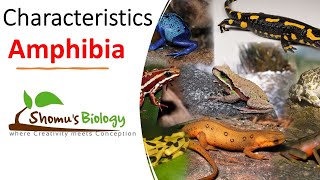
Animal Kingdom Classification
Comprehensive overview of animal kingdom classification, covering characteristics and classifications of major phyla and classes from Porifera to Mammalia.

Human Physiology Lectures - Best Human Anatomy and Physiology Lectures from Shomu's Biology
Comprehensive lectures covering major body systems: cardiovascular, excretory, nervous, digestive, and endocrine. Gain in-depth understanding of human physiology and anatomy.
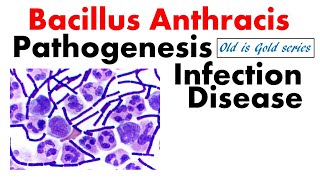
Bacterial Pathogenesis and Diseases
Comprehensive exploration of bacterial pathogens, covering microbiology, pathogenesis, diseases, and treatments for various species, from Bacillus anthracis to Streptococcus.
DNA Replication in Prokaryotes
Explore DNA replication in prokaryotes and eukaryotes, genetic engineering, and various cellular processes. Learn about key biological concepts and experimental techniques.
Human Cardiovascular System Lecture
Explore the human cardiovascular system, including blood pressure measurement, cardiac cycle, ECG graphs, and heart mechanics in this comprehensive lecture.
Human Respiratory System Lecture
Comprehensive exploration of pulmonary mechanics, gas exchange, and respiratory processes, covering ventilation, pressure dynamics, and physiological mechanisms like the Haldane effect.
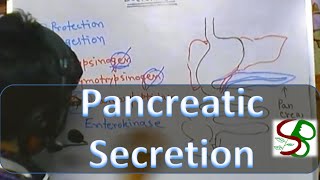
Human Digestive System Lecture
Comprehensive exploration of human digestive processes, from mechanical breakdown to enzymatic action and nutrient absorption, covering major organs and physiological mechanisms involved.

Human Excretory System - Human Excretion and the Role of Kidney and Nephron in Human Excretion
Comprehensive exploration of the human excretory system, focusing on kidney and nephron structure, function, and urine formation processes. Ideal for understanding renal physiology and blood filtration mechanisms.
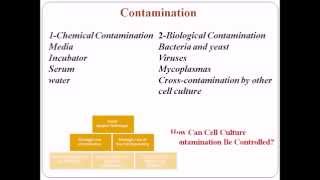
Animal Cell Culture - Mammalian Tissue Culture Lecture
Comprehensive video series covering mammalian cell culture techniques, media, growth, types, and applications, from basic concepts to advanced methods and cryopreservation.
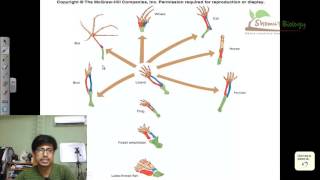
Evolutionary Biology Lecture
Comprehensive exploration of evolutionary biology theories, including natural selection, speciation mechanisms, and phylogenetic concepts, with a focus on key principles and comparative analysis.
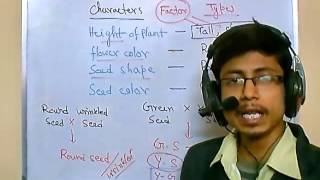
Genetics Lecture
Comprehensive exploration of classical and modern genetics, covering Mendelian laws, inheritance patterns, chromosomal structures, and evolutionary concepts for a solid foundation in genetic principles.