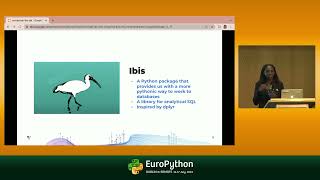
Elephants, Ibises and a More Pythonic Way to Work with Databases
Explore a Pythonic approach to database interactions using Ibis, comparing it with traditional SQL methods and showcasing its versatility across various database engines.
Predicting Urban Heat Islands in Calgary
Learn to predict urban heat islands using satellite imagery and geospatial Python libraries. Explore spatial regression methods, data processing, and visualization techniques for sustainable urban planning.
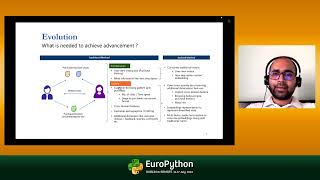
A Network Embeddings Based Recommendation Model with Multi-Factor Consideration
Explore a novel recommendation model using network embeddings and multi-factor analysis. Learn about knowledge transfer across implicit and explicit factors for improved accuracy in real-world applications.
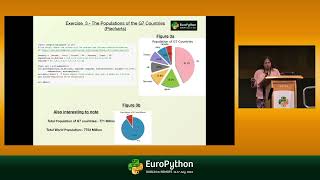
Creating the Next Generation of Billionaires - Part 4
Explore how young people use Python to analyze real-world issues like climate change and population growth, showcasing the impact of early programming education on problem-solving skills.
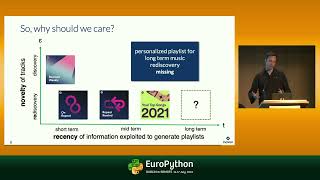
Build Your Own Playlist Recommender System with Python Using Your GDPR Data
Learn to create a personalized playlist recommender system using Python and Spotify GDPR data. Analyze listening history, enrich with audio features, and rediscover forgotten favorites from your past.
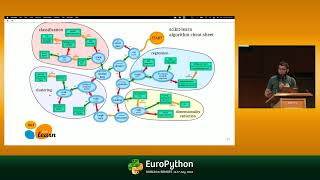
Python for Arts, Humanities and Social Sciences
Discover how Python and data science tools can revolutionize research in arts, humanities, and social sciences. Learn practical tips for overcoming programming fears and applying data-driven methods to real-world problems.
Saving Lives with Predictive Geo - AI
Explore geospatial Python libraries for Multi-Criteria Decision making, including imagery dataset processing, overlay analysis, and zonal statistics. Learn to create intuitive geo-visualization portals using vector tiles.
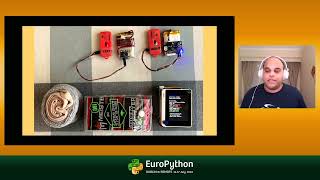
Applying Machine Learning Capabilities to Wearable IoT Devices for Boxing Technique Management
Explore how machine learning algorithms on IoT devices can enhance boxing training using motion sensor data, from problem analysis to algorithm deployment on Arduino.
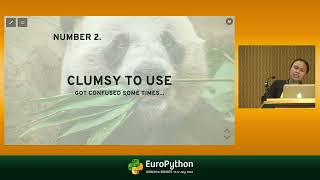
I Have to Confess, I Still Love Pandas
Discover the power of Pandas for data science workflows. Learn advantages, efficient usage techniques, and fundamental concepts to enhance your data manipulation skills.
Threat to Life - Preventing Planned Murders with Python
Explore how Python-based deep learning models are used to detect life-threatening messages in intercepted communications, aiding law enforcement in preventing violent crimes and protecting potential victims.
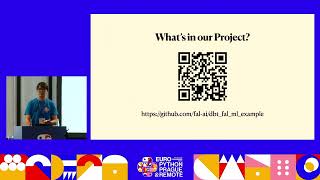
Unleashing the Power of dbt and Python for Modern Data Stack
Explore dbt integration with Python for modern data infrastructure. Learn best practices, tool integration, and complex data analysis using fal package, with real-world examples.
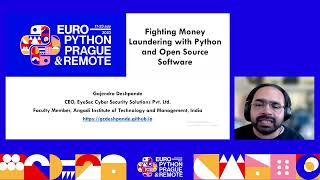
Fighting Money Laundering with Python and Open Source Software
Explore Python-based techniques and open-source tools for detecting fraudulent transaction chains and providing insights to combat money laundering in financial investigations.
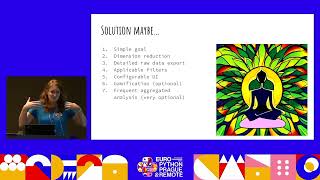
Quantify Self
Explore behavioral and wearable tracking techniques to gain personal insights. Learn data collection methods, analysis approaches, and how to transform findings into actionable self-improvement strategies.
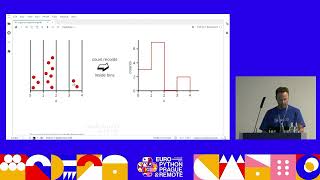
Scipp - Multi-Dimensional Arrays with Labeled Dimensions and Physical Units
Explore Scipp's powerful features for handling multi-dimensional data arrays with named dimensions, physical units, and non-destructive binning. Learn about its intuitive visualization tools for Jupyter notebooks.
Solving Data Problems in Management Accounting
Streamline management accounting with Python: automate data screening, identify outliers, and improve report accuracy using statistical tools and machine learning for enhanced productivity.

Python, Visual Studio Code, Copilot - Revolutionizing the Way You Do Data Science
Explore how Visual Studio Code, GitHub, Codespaces, and Copilot enhance data science workflows, boosting productivity through advanced tools like VS Code Notebooks, Data Wrangler, and AI-assisted coding.
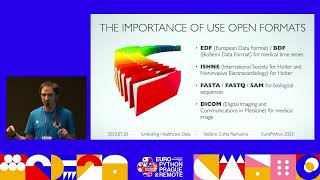
Unlocking Healthcare Data - The Power of Open Formats in Python Data Science
Explore Python analytics for healthcare data, leveraging open formats to manipulate complex patient datasets, enhance collaboration, and improve research impact in fields like ECG, EEG, and radiography.
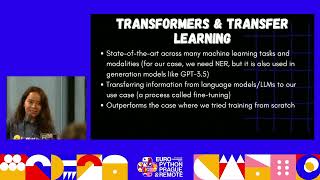
Responding to Earthquakes Using Machine Learning and Racing Through Time
Explore how machine learning and Python tools were used to extract and process social media data for earthquake response, creating afetharita.com to aid survivors in Turkey.
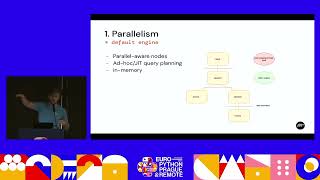
What Polars Does for You
Explore Polars, a fast and efficient DataFrame library built in Rust. Learn about its design, features, and advantages for modern data processing and analysis.
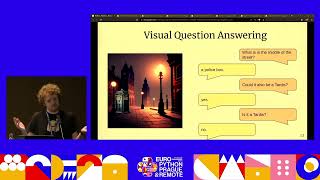
Robot Holmes and The MLington Murder Mysteries
Explore the world of Vision-Language AI through a detective story, uncovering recent developments and key players in this rapidly growing field of machine learning.
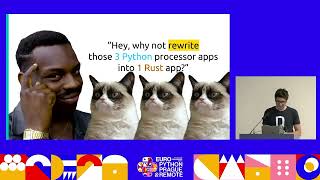
Would Rust Make You a Better Pythonista?
Discover how learning Rust can enhance your Python skills, with real-world examples and insights on improving code performance, safety, and design patterns in both languages.