
Quantitative Social Science Methods
First course for incoming Harvard Government Department PhD students; also taken by students in other departments, and students elsewhere through the Harvard Extension School. Instructor: Gary King.
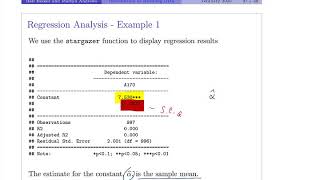
Quantitative Methods
Explore regression analysis and difference-in-differences methodology using R, with a focus on the Minimum Legal Drinking Age example.

Statistical Workflow and the Fractal Nature of Scientific Revolutions
Explore AI's role in statistical workflow, focusing on model building, checking, and revision. Discover how automated inference and best practices can enhance quantitative data analysis across various fields.

Qualitative Research Design
Comprehensive exploration of qualitative research methods, covering design, implementation, analysis, and theoretical perspectives for aspiring researchers and academics.
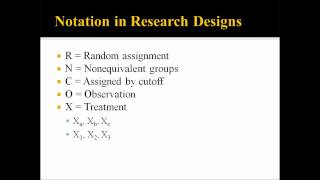
Research Methods in Counseling
Explore research methodologies in counseling, covering designs, variables, validity, statistics, and writing techniques. Gain insights into key psychological concepts and their applications in the field.

The Many Kinds of Creepware Used for Interpersonal Attacks
Explores the landscape of "creepware" apps used for interpersonal attacks, introducing CreepRank algorithm to identify such apps. Discusses various types and implications for cybersecurity and personal safety.
A Quantitative Study of Cognitive Differences in Religious Extremism - Paper 11
Explores cognitive differences between extremely religious and non-religious individuals, examining cognitive reflection, inductive reasoning, and thinking styles to better understand and manage religious extremism.

Measuring Success: Ensuring Product Organizations Ship Valuable Code
Learn to define, track, and analyze success metrics for features, ensuring shipped code delivers real customer value. Discover how to choose analytics tools, use data effectively, and implement a point system for measuring success.

How to Evaluate Your Project's Success and User Adoption
Discover methods to gather quantitative and qualitative data about your project's usage, adoption, and value. Learn to leverage insights for better decision-making in outreach, roadmap planning, and goal setting.
How Open Source is Eating Software - Numbers and Trends
Explore open source software trends, benefits, and challenges in enterprise environments, focusing on Kubernetes, containers, and emerging technologies.
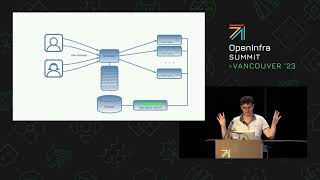
Building a Research Platform with Armada on OpenStack and Kubernetes
Discover how to build a high-throughput research platform combining OpenStack and Kubernetes for managing quantitative research workflows, featuring Armada for efficient job scheduling across multiple clusters.
Understanding the Context and Consequences of Pre-trial Detention
Explore the impact of pre-trial detention decisions through legal insights, risk assessment tools, and personal experiences. Gain a deeper understanding of criminal justice data beyond statistics.
Dynamic Demographics - Lessons from a Large-Scale Census of Performative Possibilities in Games
Explores representation in games through a census of 200 titles, revealing the complex nature of character portrayal and the need for nuanced research approaches in game studies.