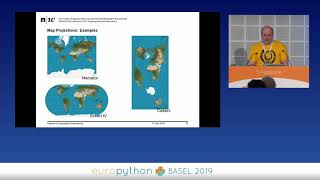
Geospatial Analysis Using Python and JupyterHub
Explore geospatial data processing and visualization using Python, covering vector and raster analysis, deep learning applications, and high-performance computing techniques for efficient spatial data handling.
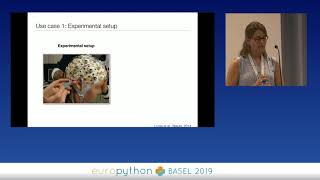
Boosting Research with Machine Learning
Explore machine learning applications in research, from neuron recognition to EEG-based movement prediction. Learn Python techniques for data preparation and analysis using various ML methods.
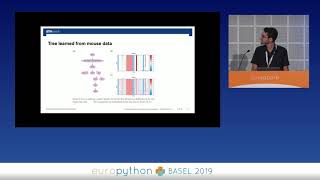
Bioinformatics Pipeline for Revealing Tumour Heterogeneity
Explore a Python-based bioinformatics pipeline for analyzing single-cell DNA sequencing data to reveal tumor heterogeneity, aiding in personalized cancer treatment decisions.

Modern Data Science with Vaex - A New Approach to DataFrames and Pipelines
Explore efficient data processing for large datasets using Vaex, combining computational graphs and lazy evaluations with memory-mapped storage and out-of-core algorithms.
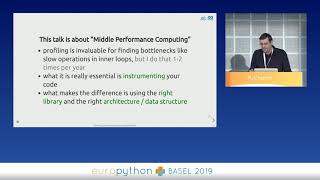
Tips for the Scientific Programmer
Practical insights for efficient scientific programming, covering parallelism, data management, memory optimization, and performance enhancement for large-scale numeric calculations.

Astro Pi - Python on the International Space Station
Explore Python programming on the International Space Station with Astro Pi, a collaboration between Raspberry Pi Foundation and ESA, offering exciting opportunities for students to conduct space experiments.
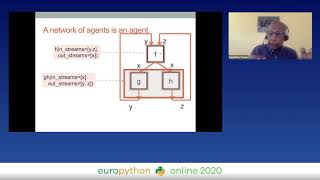
IoTPy - Python + Streams + Agents for Streaming Applications
Explore IoTPy for building concurrent, non-terminating streaming applications in Python, leveraging existing libraries for data analysis and distributed systems.
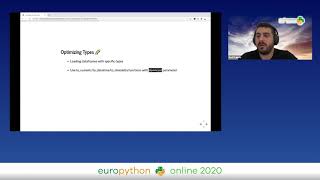
Practical Optimisations for Pandas
Discover techniques for optimizing Pandas code, including bottleneck identification, computational efficiency, and memory management for improved performance in data processing tasks.

Radio Astronomy with Python
Explore radio astronomy using Python, focusing on redshift studies, galaxy distribution analysis, and machine learning techniques for processing large astronomical datasets.
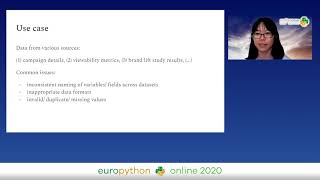
Top 15 Python Tips for Data Cleaning - Understanding
Discover 15 essential Python tips for effective data cleaning and understanding, focusing on Pandas and NumPy libraries to enhance your data analysis skills.
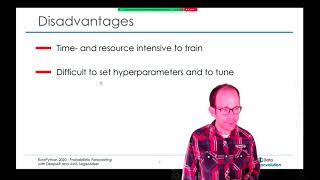
Probabilistic Forecasting with DeepAR and AWS SageMaker
Explore probabilistic forecasting with DeepAR, combining deep learning and time series analysis for accurate predictions with uncertainty estimates across multiple related datasets.
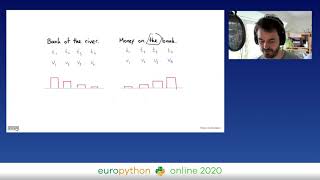
Why Transformers Work
Explore the inner workings of transformers in machine learning, their advantages over RNNs, and applications in NLP and dialogue handling, with live demos and clear explanations.
Data Ingestion and Big Data
Learn web scraping, crawling, and API usage for data retrieval. Explore technical and ethical considerations in simulating user navigation and leveraging data APIs for analysis and business opportunities.
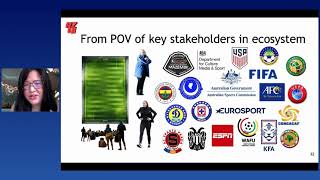
How Scientific Computing is Advancing the World of Football
Explore how Python's scientific computing and data science applications are revolutionizing football, from tactical analysis to player insights, with potential for wider accessibility and impact.
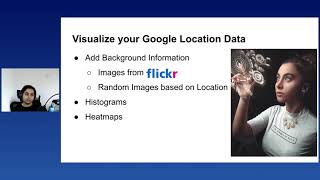
Virtual Tourism in COVID Times
Explore building an interactive dashboard using Python to relive past travels during lockdown. Learn data processing, visualization, and integration of external sources for a personalized virtual tourism experience.
Heartbeats for Hackers
Explore electrocardiography, from heart basics to building an ECG with Arduino. Learn data analysis and machine learning techniques for heart data interpretation.
A Gentle Introduction to Causal Inference
Explore causal inference techniques to uncover relationships in observational data, avoid misinterpretation pitfalls, and extract deeper insights beyond simple correlation calculations.
Darts - Unifying Time Series Forecasting Models from ARIMA to Deep Learning
Explore time series forecasting with Darts, a Python library unifying traditional and deep learning models. Learn best practices for preprocessing, backtesting, and achieving quick results in forecasting problems.
Production ML Monitoring - Outliers, Drift, Explainers & Statistical Performance
Practical deep dive into advanced ML monitoring techniques, covering outliers, drift, explainers, and statistical performance for robust production deployment and scalability.
Analyzing COVID Vaccine Popularity in Europe Using FastAPI, Postgres & Azure
Explore COVID vaccine data analysis using FastAPI, Postgres, and Azure. Learn to process, store, and visualize European vaccine popularity data with Python tools and cloud services.
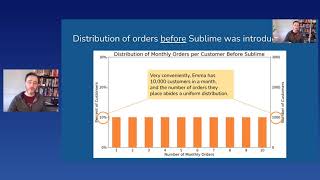
Sliding into Causal Inference, with Python
Explore causal inference tools in Python to simulate parallel realities and answer 'what if' questions. Learn about randomized experiments, differences-in-differences, propensity scores, and synthetic controls.