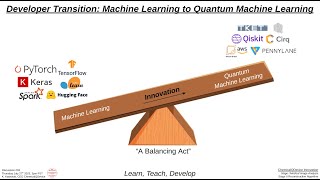
Developer Transition: Machine Learning to Quantum Machine Learning
Explore quantum machine learning frameworks, tools, and resources to transition from classical ML. Gain insights into QML algorithms, simulators, and future developments in the field.
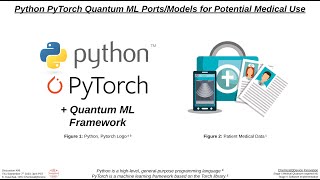
Python PyTorch Quantum ML Ports and Models for Potential Medical Use
Explore quantum machine learning models using Python and PyTorch for medical applications. Learn to build and implement ports tailored for healthcare advancements.
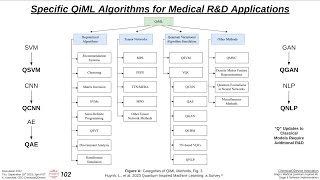
Specific QiML Algorithms for Medical R&D Applications
Explore quantum-inspired machine learning algorithms for medical R&D, focusing on practical solutions and their integration with classical workflows using PyTorch.
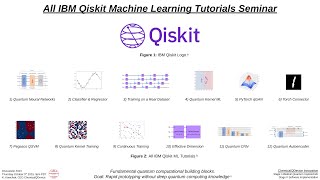
IBM Qiskit Machine Learning Tutorials
Explore IBM Qiskit Machine Learning tutorials for quantum-inspired models using Python. Learn rapid prototyping techniques, practical R&D workflows, and quantum simulators for state-of-the-art machine learning applications.
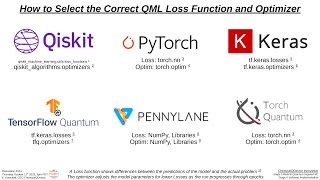
How to Select the Correct QML Loss Function and Optimizer
Explore loss functions and optimizers for quantum machine learning libraries. Learn to choose optimal parameters for accurate predictions and efficient model convergence in QML applications.
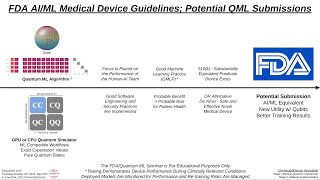
FDA AI/ML Medical Device Guidelines and Potential QML Submissions
Explore FDA guidelines for AI/ML medical devices and potential quantum machine learning submissions. Gain insights into regulatory frameworks and emerging technologies shaping the future of healthcare innovation.
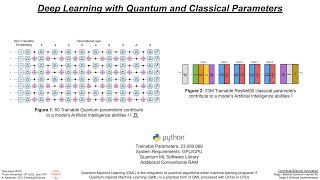
Deep Learning with Quantum and Classical Parameters
Explore end-to-end differentiation in QML/QiML AI, focusing on quantum-inspired workflows, quantum transfer learning, and troubleshooting techniques for improved AI accuracies and utilities.
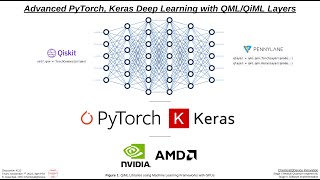
Advanced PyTorch and TensorFlow Deep Learning with QML and QiML Layers
Incorporate quantum algorithms into machine learning frameworks using PyTorch and Keras. Learn benchmarking, strategic layer insertion, and explore potential applications with quantum layers.
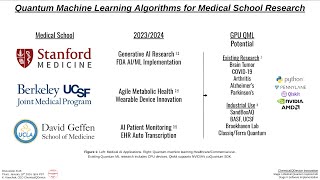
Quantum Machine Learning Algorithms for Medical School Research
Explore quantum machine learning algorithms for medical research, focusing on GPU execution, data embedding, trainable parameters, and architectures addressing technological limits in various medical datasets.
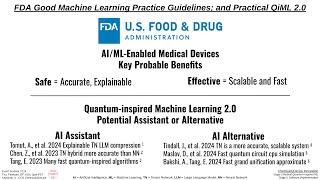
FDA Good Machine Learning Practice Guidelines and Practical Quantum-inspired Machine Learning 2.0
Explore FDA guidelines for AI/ML in medical devices and quantum-inspired machine learning approaches. Gain insights into safe, effective implementations and recent approvals for medical analysis.
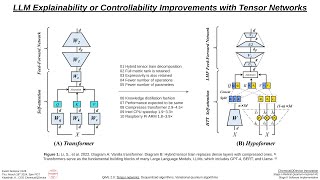
LLM Explainability and Controllability Improvements with Tensor Networks
Explore how Tensor Networks enhance explainability and controllability of Large Language Models, focusing on transformer self-attention and multi-layer perceptron layer modifications.
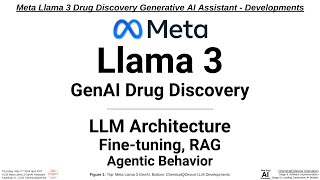
Meta Llama 3 for Drug Discovery - Generative AI Assistant Developments
Explore advanced techniques for modifying Meta Llama 3 for drug discovery, including fine-tuning, RAG implementation, and agentic behavior enhancement for improved accuracy and capabilities.
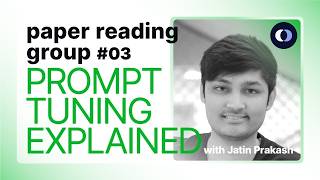
Prompt Tuning Explained
Explore prompt tuning techniques for optimizing pre-trained language models. Learn about soft prompts, gradient descent, and improving performance on downstream tasks while maintaining model efficiency.

Torch.fx Explained - Accelerating ML Code with PyTorch
Explore PyTorch's torch.fx toolkit for accelerating ML code through symbolic tracing, program manipulation, and optimization of neural network modules.
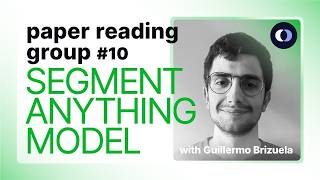
Segment Anything Model (SAM) Explained
Explore SAM, a versatile image segmentation model by Meta AI. Learn about its multitask capabilities, zero-shot transferability, and applications across various scenes and objects.
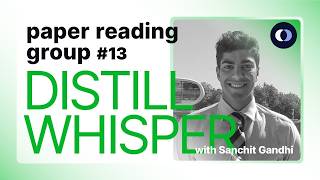
Distill Whisper Explained - Robust Knowledge Distillation for Speech Recognition
Explore Distill-Whisper: a compact, efficient speech recognition model. Learn about its robust knowledge distillation, large-scale pseudo labelling, and performance compared to the larger Whisper model.
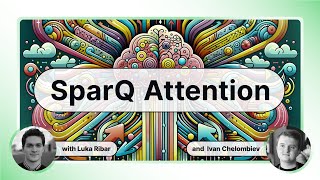
SparQ Attention: Bandwidth-Efficient LLM Inference
Explore SparQ Attention, a technique for increasing LLM inference throughput by reducing memory bandwidth in attention blocks through selective history fetching, applicable to off-the-shelf models without retraining.

ReFT: Representation Finetuning for Language Models Explained
Explore ReFT, a novel approach to fine-tuning language models by modifying internal representations, achieving efficiency with fewer parameters than traditional methods.

Complex Agentic RAG Systems - Overcoming Limitations of Traditional RAG
Explore advanced agentic RAG systems with expert Atita Arora, overcoming traditional limitations and revolutionizing information retrieval for AI and machine learning applications.
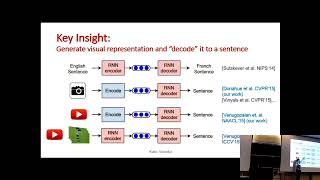
Connecting Vision and Language End-to-End - 2018
Explore neural models for vision-language understanding, focusing on End-to-End Module Networks and dense video captioning. Learn about interpretable, compositional approaches to visual question answering.
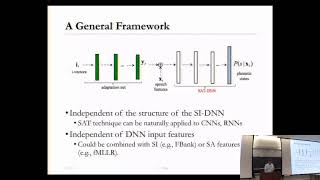
Visual Features for Context-Aware Speech Recognition - 2016
Explore visual features for context-aware speech recognition, improving transcription of consumer-generated multimedia content by adapting acoustic and language models to detected objects and scenes.