The Future of Security is in Open Silicon
Explore open silicon's role in future security, focusing on RISC-V processors and Zephyr OS to create a secure root of trust for Linux systems. Learn about hardware security cores and privilege levels.
Developing the RISC-V Hypervisor Extensions in QEMU
Explore RISC-V Hypervisor Extensions implementation in QEMU, covering architecture differences, specification challenges, and current status. Gain insights into Hypervisor development and porting for RISC-V platforms.
Profiling CPU and Memory on Linux, with Opensource Graphical Tools
Learn to profile CPU and memory on Linux using open-source graphical tools like heaptrack and hotspot. Discover efficient ways to identify performance bottlenecks and memory allocation issues in your applications.
Embedded Linux Size Reduction Techniques
Techniques for minimizing Linux kernel and filesystem size in embedded systems, covering compiler optimizations, configuration options, and user space tools for faster boot times and resource efficiency.
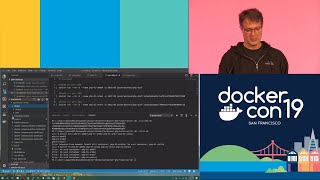
Developing and Deploying Containers for Arm Using Docker Desktop
Explore multi-architecture container development for Arm using Docker Desktop. Learn tools and processes for cloud, edge, and IoT environments through demos and examples.
Linux on RISC-V and the New OS-A Platform
Explore Linux on RISC-V, covering architecture, boot process, hardware support, and ongoing developments. Learn about RISC-V extensions, platform specifications, and Linux kernel integration.
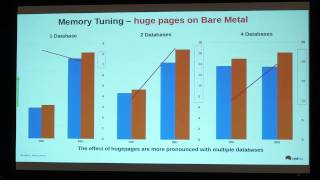
Performance Tuning Red Hat Enterprise Linux Platform for Databases
Optimize Red Hat Enterprise Linux for database performance through OS tuning, Linux containers, and performance tools. Learn NUMA, memory, network, and virtualization tuning techniques.
Designing a Business Card that Runs DOOM - Exploring Low-Cost ARM Architecture
Explore low-cost ARM architecture through the creation of a DOOM-running business card. Learn about processor selection, PCB design, and embedded Linux configuration.
MDS, Fallout, Zombieland & Linux
Explore CPU hardware vulnerabilities, their impact on system security, and Linux kernel mitigations with insights from a leading developer.
Using Yocto as a Method to Upstream, Maintain, and Track Patches
Explore efficient patch management for SoC/BSP development using Yocto. Learn to upstream, maintain, and track changes in Linux and u-boot, with best practices demonstrated through Arm's A5VE BSP example.

Performance and Memory Postmortem for Middle-earth - Shadow of War
Explore engineering strategies for achieving 30fps and optimizing memory in Middle-earth: Shadow of War, covering threading, rendering, and memory management techniques.
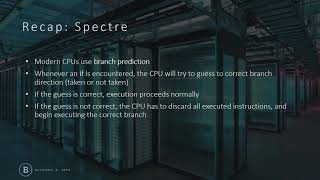
Bypassing KPTI Using the Speculative Behavior of the SWAPGS Instruction
Unveiling a new speculative execution attack exploiting SWAPGS instruction, bypassing existing CPU and kernel protections. Explores side-channel vulnerabilities and their implications for system security.
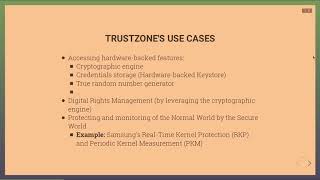
Breaking Samsung's ARM TrustZone
Explore Samsung's TrustZone vulnerabilities and learn techniques to exploit trusted components, execute high-privilege code, and bypass security measures in ARM-based systems.
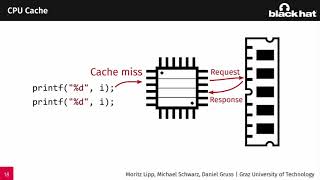
Meltdown - Basics, Details, Consequences
Explore Meltdown, a critical security vulnerability that breaks fundamental isolation between user applications and operating systems, allowing unauthorized access to system memory and sensitive data.

ZombieLoad - Leaking Data on Intel CPUs
Explore ZombieLoad, a critical Intel CPU vulnerability. Learn about its mechanics, implications for data security, and potential exploits through demonstrations and insights.
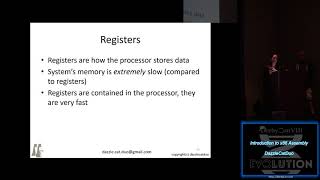
Introduction to x86 Assembly
Learn x86 assembly basics, including registers, memory access, instructions, and system calls. Gain practical skills through examples and a Makefile for assembly programming.
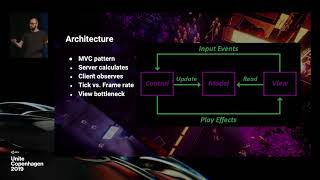
Creating a Third-Person Zombie Shooter with DOTS
Explore DOTS implementation in a zombie shooter game, focusing on performance improvements and data-oriented design principles for Unity developers.
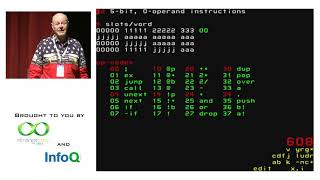
Programming a 144-Computer Chip to Minimize Power
Explore ultra-low power computing with a 144-core chip. Learn programming techniques to minimize energy consumption, optimize instruction execution, and leverage asynchronous architecture for efficient computing.
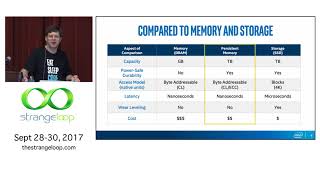
Promise and Pitfalls of Persistent Memory
Explore persistent memory's impact on cloud software, its unique characteristics, and key strategies for effective implementation in modern computing environments.
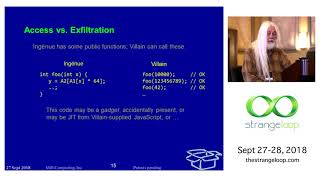
Mill vs. Spectre - Performance and Security
Explore CPU architecture vulnerabilities, focusing on Meltdown and Spectre attacks. Learn about the Mill architecture's unique approach to performance and security without hardware speculation.
The Road to Akka Cluster, and Beyond
Exploring distributed computing landscape, from early computer architecture to modern challenges. Covers key theories, protocols, and technologies, with insights into Akka Cluster's design and future developments.