R Data Science Project
Learn practical R data science skills through hands-on tutorials covering exploratory analysis, machine learning, data visualization, and building interactive web applications with Shiny.
Bioinformatics Project
Learn to apply data science in bioinformatics for drug discovery, from data collection to model deployment, with hands-on projects and practical coding examples.
Fundamentals of Biostatistics
Learn to design studies, analyze data, and interpret results for biology research, healthcare, and public health applications using statistical tools and methods.
Research Methods - Psychology A-Level - AQA Paper 2
Comprehensive revision of research methods for AQA A-level Psychology Paper 2, covering experimental designs, data collection techniques, statistical analysis, and scientific principles.
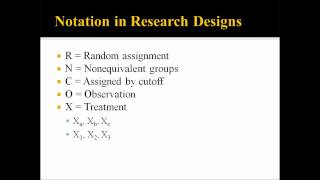
Research Methods in Counseling
Explore research methodologies in counseling, covering designs, variables, validity, statistics, and writing techniques. Gain insights into key psychological concepts and their applications in the field.
Access Expert Tutorial
Comprehensive tutorial on advanced Microsoft Access features, covering form design, automation with macros and VBA, database security, and customization options for improved efficiency and functionality.

Excel 2021 - Intro to Data Analysis Tutorial
Learn essential Excel data analysis techniques: tables, conditional formatting, functions, charts, and pivot tables for effective data summarization, visualization, and insight extraction.
Excel 2021 XLOOKUP Tutorial
Discover XLOOKUP, Excel's powerful lookup function. Learn its advantages over VLOOKUP and INDEX/MATCH, and master techniques for faster, more efficient data retrieval and analysis in spreadsheets.
Excel 2021 Power User Tutorial
Advanced Excel techniques for power users, covering complex functions, data analysis, pivot tables, conditional formatting, charts, and macros to solve challenging problems and streamline workflows.

Apple Numbers Tutorial
Comprehensive guide to Apple Numbers: from basics to advanced features. Learn data manipulation, formatting, collaboration, and more for creating professional spreadsheets efficiently.
Simulating Chemical Kinetics with ReactionMechanismSimulator.jl - JuliaCon 2021
Explore chemical kinetics simulation using ReactionMechanismSimulator.jl. Learn about mechanism analysis, symbolic reduction, and efficient steady-state solution identification in Julia.
Introduction to Metaprogramming in Julia - JuliaCon 2021 Workshop
Comprehensive workshop on Julia metaprogramming, covering expressions, macros, and code generation. Ideal for intermediate users seeking to enhance their programming skills and create domain-specific languages.
Statistics with Julia from the Ground Up - JuliaCon 2021 Workshop
Learn statistical applications in Julia through hands-on examples, covering probability, data manipulation, plotting, and modeling. Ideal for R users transitioning to Julia for data science and machine learning.
Read and Manipulate Text Files in Julia - Week 4 Lesson 2
Learn to process text files in Julia, transforming them into word arrays and analyzing content through word and phrase counting techniques.
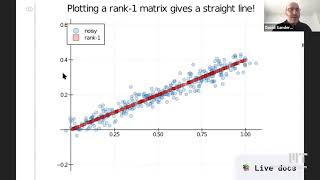
Principal Component Analysis - Lecture 8
Explore Principal Component Analysis: from matrix rank to SVD. Learn to measure data cloud size, understand correlated data, and navigate high-dimensional spaces using statistical techniques.
Data Wrangling Techniques in Julia - Part 2 - Tom Kwong
Explore advanced data wrangling techniques in Julia, covering reading, cleaning, tidying, analyzing, and visualizing data using two sample datasets for practical application.
Data Wrangling Techniques in Julia - Part 1 - Tom Kwong
Comprehensive overview of data wrangling in Julia, covering ecosystem, workflow stages (read, clean, tidy, analyze, visualize), and DataFrames.jl resources for effective data science practices.
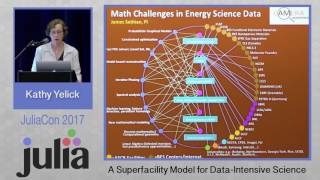
A Superfacility Model for Data-Intensive Science
Explore data-intensive science challenges, high-performance computing, and the role of programming languages like Julia in addressing big data and computational demands in scientific research.
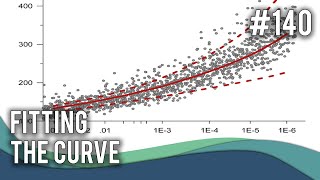
Fitting the Curve
Explore flood frequency analysis techniques, curve fitting approaches, and software tools for managing uncertainty in rainfall and runoff estimates. Learn to interpret results and consider climate change impacts.

Learn Python Pandas - Pandas Course for Beginners
Comprehensive introduction to Python Pandas, covering installation, data structures, file operations, data manipulation, and transformation techniques for beginners in data analysis.

Microsoft Excel Advanced Excel Training Course
Comprehensive advanced Excel training covering dynamic arrays, advanced functions, data manipulation, and statistical analysis. Includes hands-on exercises for practical skill development.