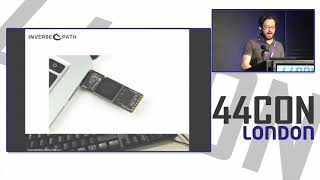
Forging the USB Armory
Explore the development of the USB armory, an open-source hardware device for security applications. Learn about its architecture, security features, and potential uses as a trusted USB device.
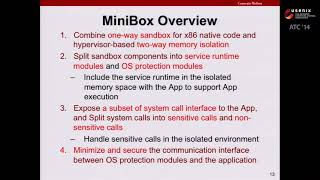
MiniBox - A Two-Way Sandbox for x86 Native Code
Explore MiniBox, a groundbreaking two-way sandbox for x86 native code, offering mutual protection between applications and operating systems in cloud computing environments.
Multi-Architecture Container Images - Why Bother, and How To
Explore multi-architecture container images: their importance, how registries handle them, and techniques for building cross-platform containers to ensure software compatibility across diverse CPU architectures.
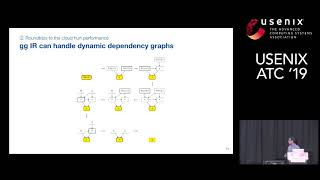
From Laptop to Lambda - Outsourcing Everyday Jobs to Thousands of Transient Functional Containers
Explore gg, a framework enabling near-interactive execution of everyday tasks using thousands of parallel cloud functions, revolutionizing how we approach resource-intensive computing jobs.
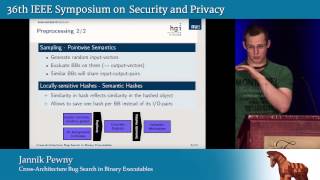
Cross-Architecture Bug Search in Binary Executables
Innovative method for identifying vulnerabilities across different CPU architectures using bug signatures and semantic analysis of binary code, enabling effective security assessments of closed-source software.
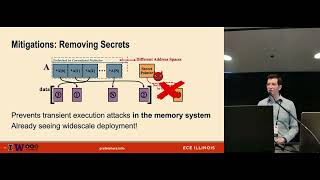
Augury - Using Data Memory-Dependent Prefetchers to Leak Data at Rest
Explore a novel data leakage technique exploiting memory-dependent prefetchers, revealing vulnerabilities in modern processors and implications for cybersecurity.
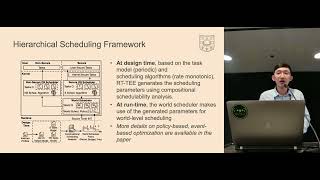
RT-TEE - Real-time System Availability for Cyber-physical Systems using ARM TrustZone
Explore real-time system availability for cyber-physical systems using ARM TrustZone technology, focusing on enhancing security and performance in critical applications.
Randomized Last-Level Caches Are Still Vulnerable to Cache Side-Channel Attacks! But We Can Fix It
Explore vulnerabilities in randomized last-level caches and discover effective solutions to mitigate cache side-channel attacks in computer systems.
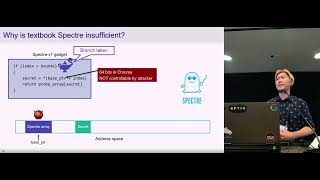
Spook.js - Attacking Chrome Strict Site Isolation via Speculative Execution
Explore a novel attack on Chrome's Strict Site Isolation, leveraging speculative execution to bypass security measures and potentially compromise user data.
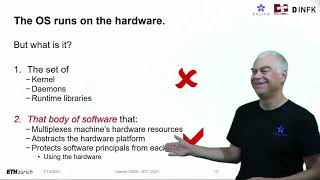
It's Time for Operating Systems to Rediscover Hardware
Keynote address exploring the need for operating systems research to re-engage with modern hardware realities, proposing strategies to address the disconnect between OS design and current technology.

Intx80 Performance
Explore the intricacies of intx80 performance through a captivating presentation from PhreakNIC 12, delving into technical insights and optimization strategies.
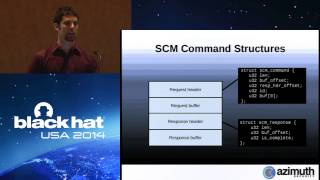
Reflections on Trusting TrustZone
Explore TrustZone security, vulnerabilities, and exploitation techniques in ARM devices. Gain insights into real-world implications and see a live demonstration of bootloader unlocking.
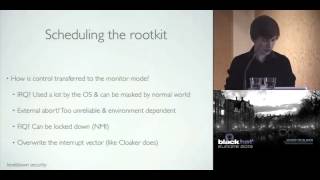
Next Generation Mobile Rootkits
Explore advanced mobile rootkit techniques using ARM TrustZone, including implementation, hiding methods, and lessons learned from creating an actual rootkit.
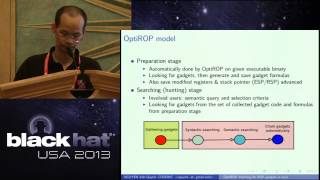
OptiROP - Hunting for ROP Gadgets in Style
Discover efficient ROP gadget hunting with OptiROP, a tool using semantic queries for quick, precise results across executable formats on x86/x64 architectures. Simplify shellcode development.
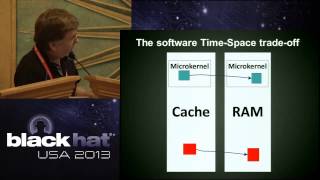
Mobile Malware - Why the Traditional AV Paradigm Is Doomed
Explore mobile malware threats, limitations of traditional antivirus methods, and innovative approaches like cloud-based screening and hardware-supported security solutions for protecting mobile devices.
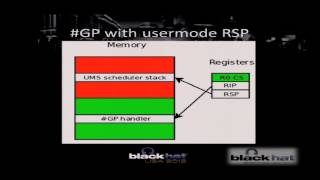
A Stitch in Time Saves Nine - A Case of Multiple Operating System Vulnerability
Explore CPU vulnerabilities and their exploitation across multiple operating systems. Learn about the "sysret" instruction flaw, its impact, and mitigation strategies for system security.
TensorFlow Lite - How to Accelerate Your Android and iOS App with AI
Explore TensorFlow Lite for efficient on-device machine learning in Android and iOS apps. Learn about low-latency inference, hardware acceleration, and overcoming challenges in mobile AI implementation.

A Security RISC? The State of Microarchitectural Attacks on RISC-V
Systematic investigation of microarchitectural attack surface on 64-bit RISC-V CPUs, exploring vulnerabilities and security implications as RISC-V architecture gains popularity in commercial processors.

Unleashing the Power of Decompilation for x86 Deep Neural Network Executables
Explore BTD, a decompiler for deep neural network executables, enabling reverse engineering of compiled DL models on various hardware platforms to enhance security and transparency.

Jailbreaking an Electric Vehicle in 2023 - What It Means to Hotwire Tesla's x86-Based Seat Heater
Explore Tesla's advanced car computers and potential hacks to unlock premium features without payment. Delve into attacks on AMD-based infotainment systems in recent models.

Rust in Action
Explore Rust's systems programming capabilities with authors Tim McNamara and Richard Feldman. Learn about memory management, performance optimization, and real-world applications of this powerful language.