The Sumter Crisis and the Outbreak of the Civil War - 1861
Explore the pivotal Fort Sumter crisis, its impact on secession, and the motivations driving Americans to war in this in-depth examination of the Civil War's outbreak.
The End of the Civil War and Its Aftermath - To Appomattox and Beyond
Explore the final stages of the Civil War, including Grant's strategies, Lee's resistance, Sherman's March, and the war's profound impact on American society and memory.
Southern Society: Slavery, King Cotton, and Antebellum America's Peculiar Region - Lecture 2
Explore the unique aspects of antebellum Southern society, including its anti-modernism, emphasis on honor, and slave-based cotton economy, shaping the region's distinctiveness from the North.
Athenian Democracy and the Rise of the Athenian Empire - Lecture 15
Explore the transformation of the Delian League into the Athenian empire, the rise of Athens as Sparta's rival, and the mechanics of Athenian democracy compared to modern American democracy.

The Peloponnesian War - Pericles' Strategy and Criticism - Lecture 20
Examines Pericles' defensive strategy in the Peloponnesian War, analyzing its strengths and weaknesses, and evaluating his effectiveness as a military leader during this pivotal conflict in ancient Greek history.
Don Quixote, Part I: Chapters XXVII-XXXV - Narrative Mastery and Character Development
Explore narrative mastery in Don Quixote through intertwined stories, character development, and the role of memory, examining the theatricality of life and ethical implications in Cervantes' masterpiece.
Don Quixote - Literature, Reality, and Narrative Techniques in Chapters XXI-XXVI
Explore Cervantes' literary innovations in Don Quixote, examining narrative techniques, character development, and the blurring of reality and fiction in this groundbreaking novel.
Dante's Paradise: Justice, Contemplation, and Vision - Cantos XVIII, XIX, XXI, XXII
Exploración de la justicia divina, la alteridad y la contemplación en el Paraíso de Dante, examinando las fronteras entre culturas y tradiciones espirituales.
Biology and History of Abortion - Global Problems of Population Growth
Explores biological, historical, and cultural perspectives on when life begins, examining scientific evidence, religious views, and legal considerations surrounding abortion and the concept of life's origin.
Faulkner's The Sound and the Fury - Jason's Section and the Loss of Knowable Community
Explore Jason's narrative in Faulkner's novel, examining the loss of community, modern alienation, and the author's nuanced portrayal of anger and pathos in the face of societal changes.

Faulkner's The Sound and the Fury - Experimental Subjectivity and Benjy's Narrative
Explore Faulkner's experimental narrative in "The Sound and the Fury," focusing on Benjy's unique perspective, sensory experiences, and the novel's innovative approach to time and memory.
The Great Gatsby: Auditory and Visual Fields in Character Relationships - Part 2
Explore the auditory-visual interplay in The Great Gatsby, examining character relationships and themes of accountability, illusion, and disillusionment in Fitzgerald's masterpiece.
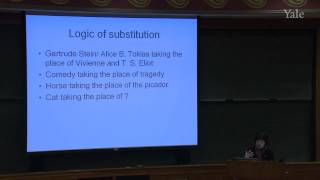
Hemingway's In Our Time: Analysis of Expressivity and Emotional Resilience - Part 2
Explore Hemingway's "In Our Time" through analytical frameworks, examining expressivity, substitution, and emotional resilience in his unique blend of tragedy and comedy.
Moral Foundations of Politics - Introduction and Course Overview
Introduction to political philosophy course exploring government legitimacy through Enlightenment traditions, anti-Enlightenment thinking, and democratic theory. Covers key concepts and course structure.

Being an American: The Legacy of the Revolution - Lecture 25
Explore the American Revolution's legacy, its evolving meaning, and the founders' vision for ongoing civic engagement in shaping the nation's future.
Creating a Constitution - The American Revolution
Explore the debates and compromises behind the U.S. Constitution's creation, including state representation, slavery, and executive power, in the context of post-Revolutionary fears and aspirations.

The Articles of Confederation - A Union Without Power
Explore the Articles of Confederation's creation, challenges, and impact on early American governance, including key debates, weaknesses, and events that led to calls for a stronger national government.
The American Revolution: Confederation and State Constitutions - Lecture 20
Explore post-Revolutionary political experimentation in America, focusing on state constitutions, governance structures, and the development of the Articles of Confederation.
War and Society in the American Revolution
Explores the American Revolution's impact on African Americans, women, and Native Americans, examining the extent of societal change and inclusivity for these groups during this pivotal period.
Fighting the American Revolution - The Big Picture
Explore key phases of the American Revolution, from early battles to French alliance, British southern campaign, and ultimate victory at Yorktown. Gain insights into diplomatic efforts and war's impact.
The Importance of George Washington in Revolutionary America
Explore George Washington's crucial role in Revolutionary America, examining his leadership qualities, self-presentation, and symbolic actions that earned trust and shaped the nation's future.