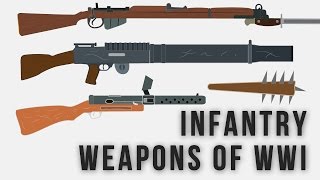
Weapons Collection
Explore a diverse array of historical weapons, from ancient to modern, examining their design, impact, and unique features across various conflicts and cultures.
World History by CrashCourse
In 42 episodes, John Green will begin teaching you the history of the world! This course is based on the 2012 AP World History curriculum, from growing the first crops in the First Agricultural Revolution to global textile production in the 2010s.

The Civilizational Roots of Indian Democracy
Explore the historical concept of "Indian civilization" and its impact on India's adoption of democracy, examining European influences and nationalist perspectives on universal citizenship rights.

Well-Behaved Women Seldom Make History
A series of videos featuring the lives and achievements of notable women from many eras and countries, including Cleopatra, Marie Curie, and Jane Austen.
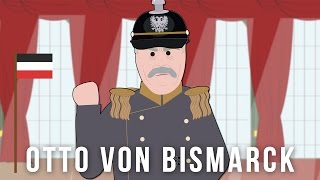
History of Germany
Explore Germany's rich history from medieval times to modern era, covering key events, figures, and technological advancements that shaped the nation's trajectory.

Pearl Harbor - The Last Word - 75th Anniversary Commemoration
Commemorative video series featuring firsthand accounts from Pearl Harbor survivors, exploring the attack's impact, aftermath, and lasting legacy on the 75th anniversary.

US History by CrashCourse
Crash Course creates free, high-quality educational videos used by teachers and learners of all kinds. John Green kicks off Crash Course US History!
Fitzgerald's Tender is the Night - Film Techniques and Character Analysis - Lecture 21
Explore Fitzgerald's "Tender is the Night" through cinematic techniques, character analysis, and historical context. Gain insights into narrative structure and the author's portrayal of social dynamics.
Hemingway, Fitzgerald, Faulkner - American Modernism and World War I - Lecture 1
Explore Hemingway, Fitzgerald, and Faulkner's works through global geopolitics, experimental narration, and sensory detail, examining their shared preoccupation with World War I's impact on narrative irony.
World War I Poetry in England - Modern Poetry
Explore WWI English poetry through analysis of works by Owen, Hardy, Thomas, Sassoon, and Rosenberg. Examine war rhetoric, propaganda, and the relationship between home front and battle front.
Syphilis: From the "Great Pox" to the Modern Version - Epidemics in Western Society
Explore syphilis' history, origins, symptoms, and societal impact from the 16th century to modern times. Delve into debates surrounding its emergence and spread across Europe.

Collaboration and Resistance in World War II Europe - Lecture 23
Explore myths and realities of collaboration and resistance in WWII Europe, examining motivations, actions, and lasting impacts on national memories and historical narratives.

The Home Front in World War I France - Lecture 15
Explore WWI's impact on France: 1917 turning points, social tensions, mutinies, and the war's conclusion, examining the conflict's profound effects on soldiers and civilians alike.
The Origins of World War I - France Since 1871 - Lecture 13
Explore the diplomatic, imperial, and nationalist factors leading to World War I, including shifting alliances, British Empire's role, and mounting tensions in Europe.
Richard Wright's Black Boy - Analysis and Literary Context
Explore Richard Wright's "Black Boy" through close analysis, examining narrative oscillations, editorial struggles, and the power of words in portraying America's ideals during WWII.

New Imperialism and the Origins of the Boy Scouts - European Civilization 1648-1945 - Lecture 15
Explore the New Imperialism era, examining religious, economic, and political motives behind European colonial expansion and its cultural impact, including the creation of the Boy Scouts movement.
Successor States of Eastern Europe after World War I - Lecture 20
Explore interwar Europe's political tensions, ethnic conflicts, and economic challenges that set the stage for World War II, focusing on revisionist powers and minority persecution.

The Coming of the Great War - Origins and Alliances in Early 20th Century Europe
Explore the complex alliances, rivalries, and geopolitical factors that led to World War I, including the formation of the Triple Entente and the Schlieffen Plan's impact on mobilization.

Trench Warfare in World War I - France Since 1871 - Lecture 14
Explore the evolution of WWI warfare, from early German strategies to the grim realities of trench combat, and its profound impact on soldiers and society in France.
Sites of Memory and Mourning in Post-World War I Europe - Lecture 18
Explore how Europe commemorated World War I through memorials, media, and ceremonies, shaping a unique understanding of war and its lasting impact on society and politics.

War in the Trenches - World War I Stalemate and Its Cultural Impact
Explore WWI's trench warfare, its impact on soldiers and society, and key events like French mutinies, Russian Revolution, and US involvement. Understand the war's unprecedented scale and cultural legacy.