
Economic History Lessons in One Minute
Concise economic history lessons covering major events, theories, and figures, from the Great Depression to modern financial crises, in bite-sized one-minute explanations.
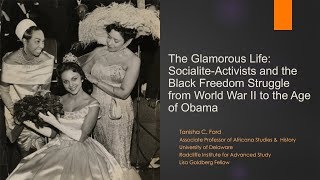
Socialite-Activists and the Black Freedom Struggle - The Glamorous Life
Exploring how black women activists raised funds for civil rights through glamorous events, blending social activism with high society to advance the Black Freedom Struggle.

As I Lay Dying by William Faulkner - Analysis of Narrative Techniques and Social Context
Explore Faulkner's "As I Lay Dying" through social dialects, narrative techniques, and historical context. Uncover hidden secrets and examine the portrayal of poor whites in the Depression-era South.

Depression and the New Deal: African American Experiences in the 1930s - Lecture 11
Explores African American experiences during the Great Depression, examining New Deal impacts, political organizing, and civil rights roots in 1930s America.

Marx and Schumpeter on Capitalism's Dynamic Nature - Lecture 4
Explore Marx and Schumpeter's theories on capitalism's constant evolution, critiquing Marxist ideas and examining creative destruction through historical examples of technological revolutions.

Thomas Malthus and the Theory of Inevitable Poverty - Lecture 2
Explore global economic development, demographic transitions, and their impact on poverty. Analyze Malthus' theories and modern perspectives on population growth and economic progress.

The Sanitary Movement and the 'Filth Theory of Disease' - Epidemics in Western Society Since 1600
Explore the 19th-century sanitary movement's impact on public health, urban planning, and social reform, focusing on key figures and cities that shaped modern approaches to disease prevention.

Industrial Revolutions - European Civilization 1648-1945 - Lecture 8
Explore the gradual process of industrialization, its impact on agriculture, urban expansion, and labor practices, including the rise of class consciousness and industrial discipline.

A Northern World View: Yankee Society, Antislavery Ideology and the Abolition Movement - Lecture 4
Explores the Market Revolution's impact on antebellum Northern society, including economic changes, cultural shifts, and the intensification of North-South divides, setting the stage for reform movements.

A Polarizing Society in Early Modern England, 1560-1640
Explores economic and social changes in early modern England, focusing on wealth disparities, the rise of the 'middling sort', and government responses to increasing poverty and vagrancy.

Economic Expansion in Early Modern England, 1560-1640
Explore England's economic growth from 1560-1640, covering population rise, agricultural improvements, urban expansion, industrial changes, and trade developments, despite persistent economic challenges.

Hemingway's To Have and Have Not - Analysis of Social and Economic Themes
Análisis profundo de "To Have and Have Not" de Hemingway, explorando temas de desigualdad económica, revolución cubana y la Gran Depresión, con énfasis en la compleja caracterización del protagonista Harry Morgan.

Illiberal Reformers - Thomas Leonard, Hayek Lecture Series
Explores economic progressives' role in creating the regulatory welfare state, revealing their paradoxical advocacy for uplift and exclusion, influenced by Darwinism, racial science, and eugenics.
Trust and Panic: The History and Impact of Debt - Lecture 1
Explore the historical, literary, and economic significance of debt, default, and financial crises through John Geanakoplos' analysis of the leverage cycle and its impact on major economic events.

Fall of the Roman Empire - Causes and Consequences
Explore the complex factors behind the Roman Empire's collapse, including climate change, pandemics, and societal shifts, in this thought-provoking analysis by historian Kyle Harper.
Economics in Nouns and Verbs - Process-Based Approaches to Economic Theory - Part 1
Exploring how traditional economic theory fails to capture the dynamic nature of economies, and how a process-based approach can provide a more comprehensive understanding of economic phenomena.
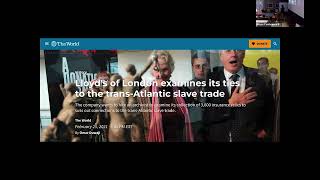
Insurance, Slavery, and Expertise
Explore the historical intersections of insurance practices, slavery, and expert knowledge, examining their lasting impacts on society and economics.
MLOps with Dataiku - Considerations for Model Deployment and Monitoring
Explore key MLOps concepts, deployment readiness, and model monitoring strategies. Learn how Dataiku streamlines MLOps processes for efficient AI industrialization.
Tulip Mania - Lies - Extra History
Debunking myths and clarifying facts about the Tulip Mania phenomenon, exploring its historical context, economic impact, and lasting cultural significance in the Dutch Golden Age.
Financial Crisis Case Studies
Explore major financial crises through concise case studies, covering events from the Great Depression to modern economic challenges, with insights on causes, consequences, and lessons learned.

Essential Knowledge of History, Gurukul Online Learning Network
অপরিহার্য ইতিহাস জ্ঞান: বাংলাদেশের প্রাচীন জনপদ, বঙ্গের উৎপত্তি এবং সামাজিক-অর্থনৈতিক জীবন সম্পর্কে মৌলিক ধারণা প্রদান করে।