History of Science - CrashCourse
In 46 episodes, Hank Green teaches you the history of science! This course is based on the 2nd and 3rd edition of Science & Technology in World History by McClellan & Dorn.
European History by CrashCourse
In 50 episodes, John Green will teach you about European History to give you an overview of Europe’s history and connection with the world from 1450 to the present.
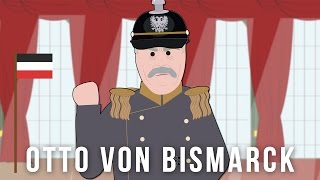
History of Germany
Explore Germany's rich history from medieval times to modern era, covering key events, figures, and technological advancements that shaped the nation's trajectory.

Philosophy of the Humanities
Explore key philosophical concepts and thinkers in humanities, from logic and scientific reasoning to historical interpretations, hermeneutics, structuralism, and postmodern critiques of truth and language.
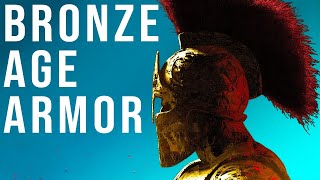
Bronze Age Armor of Europe - Ancient History Documentary
Explore the evolution of European Bronze Age armor, from early metal helmets to full body protection. Discover the technological advancements and societal implications of these ancient defensive innovations.
Extra History - Joan of Arc
Explore the life and legacy of Joan of Arc through a captivating historical series, delving into her rise, military campaigns, and controversial trial.
The Burkean Outlook - Edmund Burke's Anti-Enlightenment Philosophy
Explore Edmund Burke's conservative philosophy, emphasizing cautious social change, traditional values, and rejection of Enlightenment ideals in political thought and societal progress.
Limits of the Neoclassical Synthesis - Moral Foundations of Politics
Explores ambiguities in Mill's harm principle through examples like prostitution, free trade, and discrimination, revealing how defining and calculating harm involves political choices, challenging the Enlightenment ideal.

Vikings and the European Prospect in 1000 CE - Lecture 22
Explore Viking expansion, trade networks, and cultural impact across Europe and beyond, examining their role in shaping the early Middle Ages and setting the stage for the rise of Western civilization.
Crisis of the Carolingians - The Early Middle Ages, 284-1000
Explore the decline of Charlemagne's empire, examining internal weaknesses, external threats, and the Treaty of Verdun's impact on shaping modern European territories.
Demographic Transition in Europe - Global Problems of Population Growth
Explore Europe's demographic shift: from marriage-controlled fertility to individual choice, rapid population growth, and increased life expectancy, reshaping societal norms and human experiences.
Syphilis: From the "Great Pox" to the Modern Version - Epidemics in Western Society
Explore syphilis' history, origins, symptoms, and societal impact from the 16th century to modern times. Delve into debates surrounding its emergence and spread across Europe.
The Rise of the European Middle Classes in the 19th Century - Lecture 9
Explore the diverse 19th-century European middle classes, their rise to power, cultural impact, and societal contributions, from philanthropy to education and birth control advancements.
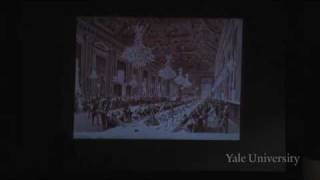
Nineteenth-Century Cities - Urban Growth and Social Change in Europe and America
Explore 19th-century urbanization, class segregation, and city development through the lens of European history, with a focus on Paris as a case study of urban transformation and social dynamics.
Radicals: Revolutionary Socialism, Syndicalism, and Anarchism in 19th Century Europe
Explorez les courants socialistes du 19e siècle, du réformisme au syndicalisme et à l'anarchisme, en examinant leurs idéologies et leurs tactiques, y compris les origines du terrorisme moderne.
Industrial Revolutions - European Civilization 1648-1945 - Lecture 8
Explore the gradual process of industrialization, its impact on agriculture, urban expansion, and labor practices, including the rise of class consciousness and industrial discipline.

Collaboration and Resistance in World War II Europe - Lecture 23
Explore myths and realities of collaboration and resistance in WWII Europe, examining motivations, actions, and lasting impacts on national memories and historical narratives.
Maximilien Robespierre and the French Revolution - European Civilization 1648-1945
Explore Robespierre's role in the French Revolution, examining his philosophy, the Jacobin-Girondin conflict, counter-revolutionary forces, and the impact of religious sentiment on revolutionary support.
Absolutism and the State in European Civilization, 1648-1945 - Lecture 2
Explore the rise of absolutism in 17th-century Europe, its causes, consequences, and impact on government, military, and culture in this Yale University lecture on European history.
Dutch and British Exceptionalism in 17th Century Europe - Lecture 3
Explore why Britain and the Netherlands resisted absolutism, examining middle-class influence, national identity, anti-Catholicism, and Dutch mercantile culture in shaping their unique political paths.

The Logic of Science - Principles of Evolution, Ecology and Behavior
Explore the evolution of scientific thought, including falsifiability, revolutions, and creativity. Learn how philosophy influences modern scientific approaches and the boundaries of scientific knowledge.