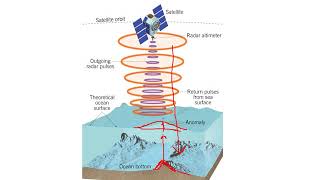
The Ocean Floor
Explore ocean floor mapping, sediments, and ecosystems. Learn about continental margins, abyssal plains, and ridge systems using advanced technologies and data from NOAA and NASA.
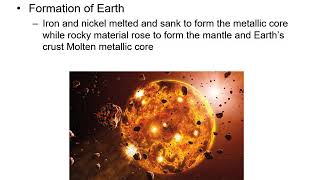
Earth's Evolution Through Time
Explore Earth's 4.6-billion-year journey, from early atmosphere formation to the rise of complex life, continental shifts, and major extinction events shaping our planet's rich history.
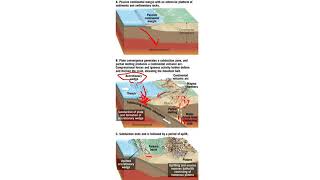
Mountain Building
Explore mountain formation processes, including subduction zones, volcanism, and continental collisions. Learn about major mountain ranges and theories of mountain building.
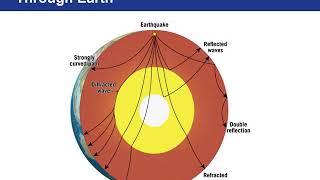
Earth's Interior
Explore Earth's layered structure, internal composition, and geophysical properties through seismic waves, gravity anomalies, and thermal gradients.
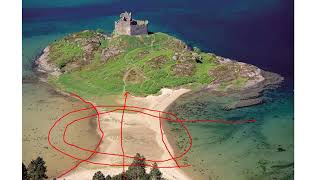
Shorelines - Redwood National Park
Explore diverse shoreline types, coastal processes, and human interventions, from barrier islands to sea walls. Discover unique features of Redwood National Park's coastline and its iconic coastal redwoods.
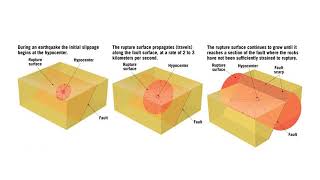
Earthquakes
Learn about earthquake science, including causes, measurement, effects, and prediction. Explore seismic waves, tsunamis, and global earthquake patterns for a comprehensive understanding of this natural phenomenon.
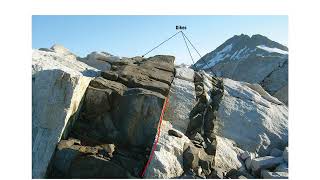
Geologic Time Lecture
Explore Earth's history through geologic principles, fossils, and dating methods. Uncover the secrets of our planet's past and learn to interpret the rock record.
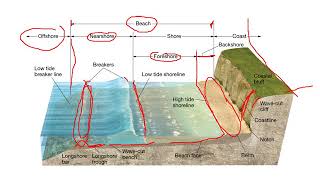
Beaches, Shoreline Processes, and Coastal Oceans
Explore beach dynamics, coastal processes, and shoreline features. Learn about erosion, deposition, barrier islands, and human impacts on coasts. Understand sea level changes and coastal management strategies.
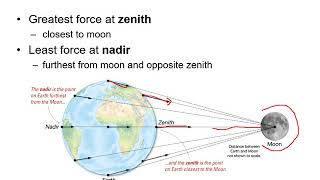
Tides (OCE-1001)
Explore the fascinating world of tides, their causes, and effects on Earth's oceans. Learn about lunar influences, tidal patterns, and coastal impacts in this comprehensive overview.
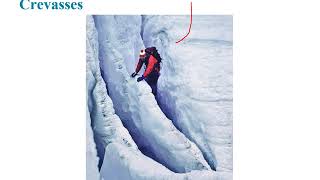
Glaciers, Deserts, and Wind
Explore glaciers, deserts, and wind in Earth's systems. Learn about glacial movement, erosion, and deposits, as well as desert formation and wind's role in shaping landscapes.

Waves and Wave Dynamics
Comprehensive exploration of wave dynamics, covering generation, types, characteristics, and impacts. Includes deep dives into wind-generated waves, surf zone phenomena, and tsunamis.
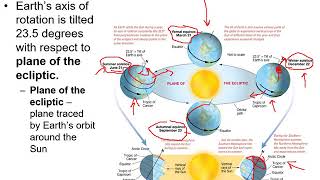
Air Sea Interaction
Explore atmosphere-ocean interactions, global circulation patterns, and weather phenomena. Learn about heat transfer, wind systems, and tropical cyclones in this comprehensive overview of air-sea dynamics.
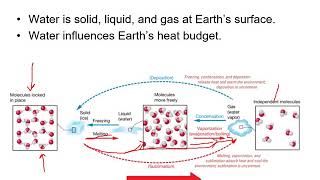
Water and Sea Water
Explore water's unique properties, from molecular structure to global impacts. Learn about salinity, density, and the hydrologic cycle, gaining insights into Earth's most vital substance.
Marine Sediments
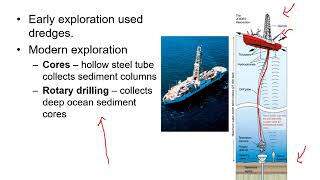
Explore marine sediment types, collection methods, and analysis techniques. Learn about sediment transport, distribution, and composition, including lithogenous, biogenous, hydrogenous, and cosmogenous deposits.
Marine Provinces
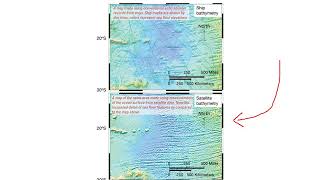
Explore ocean floor topography, from continental margins to abyssal plains. Learn about mapping techniques, underwater features, and geological processes shaping our seas.
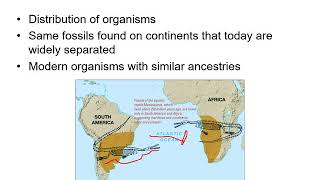
Plate Tectonics
Explore Earth's dynamic crust through plate tectonics, examining continental drift evidence, seafloor spreading, and various plate boundaries. Discover how these processes shape our planet's surface and influence geological phenomena.
Introduction to Oceanography
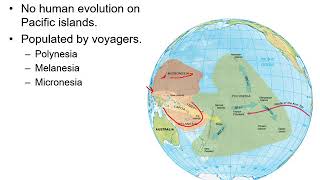
Explore Earth's oceans, their formation, and historical significance. Learn about oceanography, scientific inquiry, and Earth's structure while discovering the evolution of marine life and human exploration.

Groundwater
Explore groundwater systems, aquifers, and their environmental impact. Learn about water distribution, movement, and storage beneath Earth's surface, as well as potential contamination issues and geological formations.
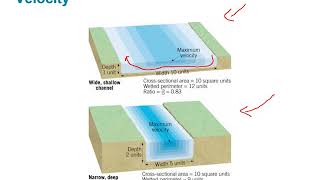
Running Water
Explore the hydrologic cycle, river systems, and water's impact on Earth's surface. Learn about erosion, deposition, and flood dynamics in this comprehensive overview of running water processes.

Terra Sapiens: The Human Chapter in the History of the Earth
Explore Earth's geological history and humanity's impact through the lens of planetary science. Gain insights into our current era and its implications for intelligent life and civilization's future.
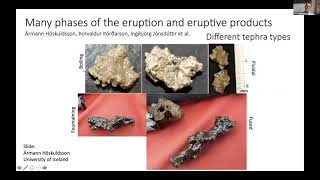
Mount Fagradalsfjall Webinar
Explore Iceland's Mount Fagradalsfjall eruption with experts, covering plate tectonics, seismic activity, and environmental impacts. Gain insights into Earth's dynamic forces and volcanic processes.