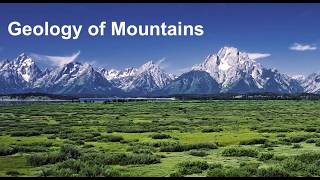
Geology - Mountains
Comprehensive exploration of mountain formation, covering volcanoes, continental and oceanic origins, faults, folds, and famous mountain belts, with insights into current geological theories.

Geology - Faults, Folds, and Joints
Explore rock deformation through folds, faults, and joints. Learn about stress, strain, and various geological structures like anticlines, synclines, and fault types, with real-world examples and features.
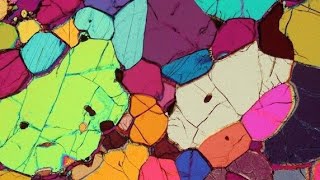
Geology - An Overview of Atoms and Chemical Bonds
Explore atoms, chemical bonds, pH, isotopes, and molecules in this primer for understanding minerals and rocks in geology.
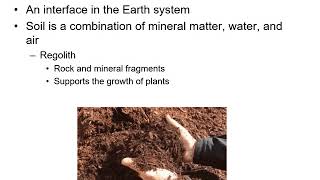
Weathering, Soils and Mass Wasting
Explore weathering processes, soil formation, and mass wasting phenomena. Learn about soil conservation, erosion, and landslide hazards while understanding Earth's external geological processes.
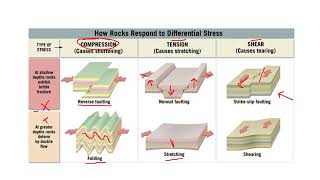
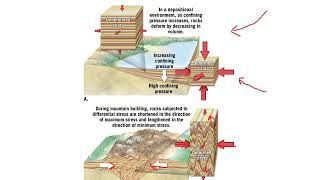
Crustal Deformation and Mountain Building
Explore crustal deformation processes, mountain formation, and tectonic forces shaping Earth's landscape. Learn about folds, faults, and various mountain-building mechanisms across different geological settings.
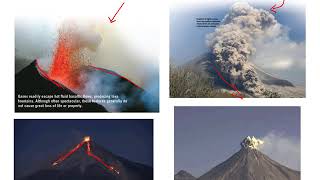
Volcanoes
Explore volcanic phenomena, hazards, and formations worldwide. Learn about eruption types, lava flows, and the geological processes shaping volcanic landscapes.
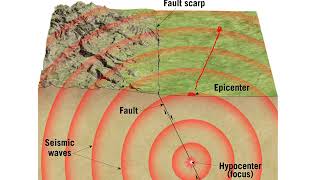
Earthquakes and Earth's Interior
Explore seismology, earthquake mechanics, and Earth's interior structure. Learn about wave types, measurement scales, and the impacts of seismic events, including tsunamis and liquefaction.
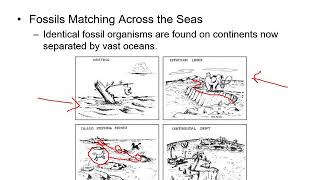
Plate Tectonics
Explore Earth's dynamic structure through plate tectonics, examining continental drift, plate boundaries, and the forces driving global geological processes.
Metamorphic Rocks
Explore the formation, types, and significance of metamorphic rocks, including their textures, environments, and economic importance in resource extraction.
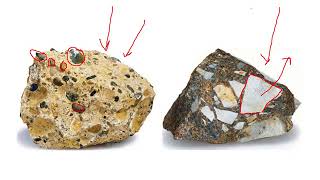
Sedimentary Rocks
Explore sedimentary rock formation, types, and structures. Learn about detrital, chemical, and organic rocks, their environments, and their role in understanding Earth's history.
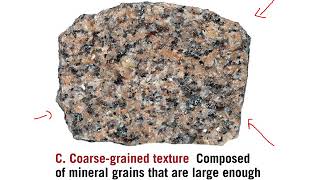
Igneous Rocks Lecture
Explore igneous rock formation, textures, and classification. Learn about magma origins, intrusive activities, and key geological processes shaping Earth's crust.
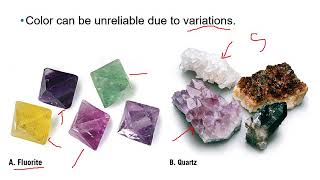
Matter and Minerals
Explore atoms, elements, and mineral properties, focusing on optical characteristics, crystal habits, and mineral groups. Learn about silicates, nonsilicates, and their importance as nonrenewable resources.
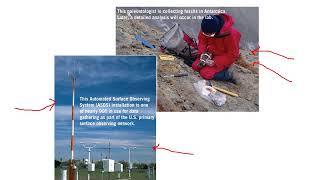
Introduction to Earth Science
Explore Earth's systems, geological history, and environmental processes through NASA imagery and interactive tools. Covers key concepts from planetary formation to continental dynamics.
Shorelines
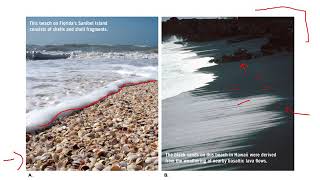
Explore coastal dynamics, wave patterns, and shoreline features. Learn about hurricanes, their structure, and impact. Discover coastal stabilization techniques and satellite monitoring.
Global Climate Change
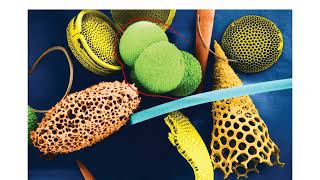
Explore climate change's impacts, from shifting shorelines to Arctic ice melt. Learn about natural causes, greenhouse effects, and environmental consequences through proxy data and climate system analysis.
Benthic Communities
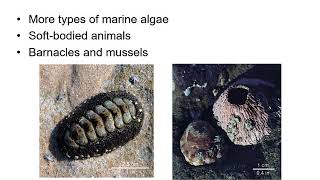
Explore diverse benthic ecosystems from rocky shores to deep-sea hydrothermal vents. Learn about organism adaptations, community structures, and environmental impacts on marine life in various ocean habitats.
Weather Patterns and Severe Storms
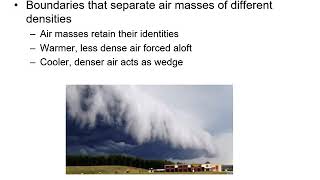
Explore air masses, fronts, and severe weather phenomena like thunderstorms, tornadoes, and hurricanes. Learn about their formation, characteristics, and impacts on climate and society.
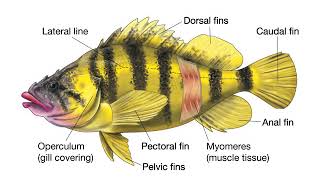
Pelagic Communities
Explore diverse pelagic organisms, from microscopic zooplankton to massive whales. Learn about adaptations, behaviors, and ecological relationships in open ocean ecosystems.
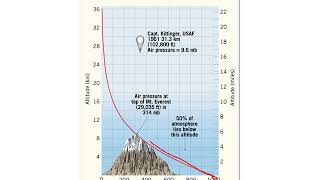
The Atmosphere
Explore Earth's atmosphere, weather patterns, and climate systems. Learn about radiation, the greenhouse effect, and temperature measurement in this comprehensive overview.
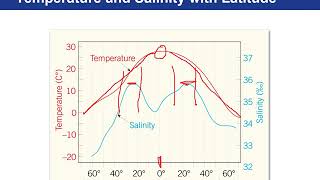
Ocean Water and Ocean Life
Explore ocean temperature, density, layers, and diverse marine life zones. Learn about ocean productivity, food chains, and unique ecosystems from polar to tropical regions.

Marine Life
Explore marine biodiversity, adaptations, and environmental factors. Learn about species census, protoplasm, temperature effects, osmosis, camouflage, and swim bladders in aquatic ecosystems.