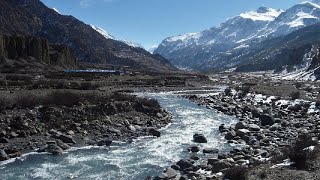
State and Fate of Hindu Kush Himalaya Water Resources - Climate Change Impacts on Cryosphere
Explore climate change impacts on Hindu Kush Himalaya glaciers, water resources, and the 2 billion people relying on its river basins. Learn about future projections and challenges.
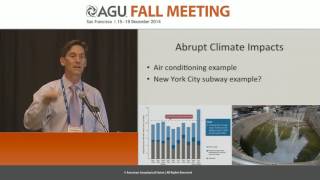
Abrupt Climate Change - Views from Past, Present, and Future
Explore past, present, and future abrupt climate changes through ice core research and environmental systems, examining their economic, physical, and social impacts on human society.
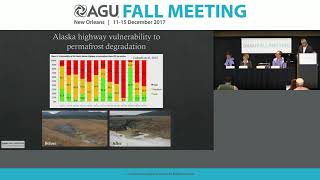
The Melting Cryosphere - Climate Change Effects on Earth's Frozen Regions
New research on shrinking glaciers, ice sheets, melting permafrost, and sea level rise due to climate change, presented by experts from various institutions.
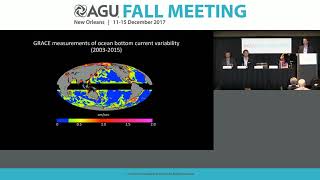
New NASA Eyes on Ice - Satellite Missions for Tracking Earth's Ice Changes
Preview of NASA's next-gen satellite missions GRACE and ICESat-2, exploring their advanced capabilities to track Earth's ice changes with unprecedented precision and diverse scientific applications.
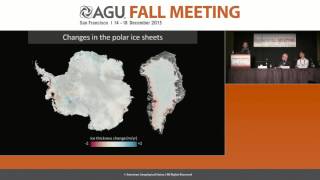
Measuring Polar Ice Sheets and Sea Level Rise - Latest Efforts
Experts discuss latest efforts to measure polar ice sheets, their impact on sea level rise, and challenges in providing accurate estimates using satellite and airborne surveys.
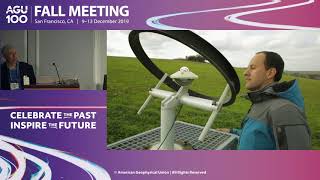
World Climate Research Program: Climate Research for the 21st Century
Explore the evolution of climate science, WCRP's role, and future directions. Engage in discussions on Earth system analysis, prediction advancements, and upcoming research challenges.
Cryospheric Contribution to Sea Level Rise - Current Estimates and Projections - Part 1
Explore current research on ice sheet mass balance, glacier melt, and sea level rise projections. Gain insights into cryospheric changes and their global impacts from leading climate scientists.
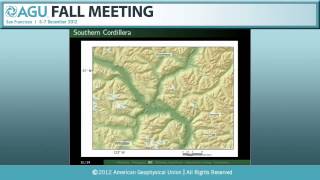
Climate Change and Cryospheric Systems - Part I
Explore climate change impacts on cryospheric systems through expert presentations on mountain glaciers, ice caps, and permafrost. Gain insights into past climate reconstructions and future projections for Earth's frozen regions.
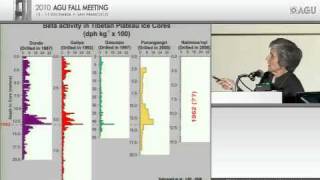
Past and Contemporary Climate Change: Evidence From Earth's Ice Cover
Explore Earth's climate history through ice core analysis, examining past changes and current trends to understand global warming's impact on our planet's future.
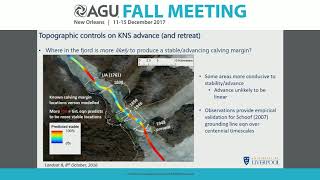
Ice Sheet and Glacier Change: Integrating Methods to Understand Evolution - 2017
Integrating instrumental, geological, and modeling methods to understand ice sheet and glacier evolution, focusing on various locations and their implications for climate change.

Be the Change - Inspiring Environmental Awareness Through Polar Exploration
Polar explorer Henry Páll Wulff shares his passion for nature and encourages environmental awareness through personal experiences, urging us to explore, learn, and inspire others to protect our planet.
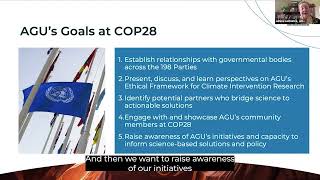
A Scientist's Recap of COP28 and How to Be Part of COP29
Explore COP28 outcomes, scientists' roles in climate conferences, and opportunities for involvement in COP29. Learn from experts about AGU's participation and the impact of science policy on global challenges.
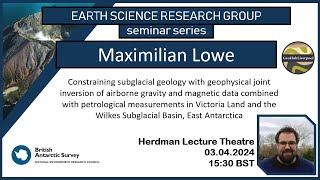
Constraining Subglacial Geology with Geophysical Joint Inversion in Antarctica
Explore geophysical joint inversion techniques to uncover subglacial geology in Antarctica, focusing on airborne gravity and magnetic data analysis in Victoria Land and Wilkes Subglacial Basin.

Life on a remote Arctic research station | Esther Horvath | TEDxDanubia
From a childhood dream shaped by borders to documenting the most remote places on Earth in Antarctica and the Arctic, Esther Horvath takes us into the polar night of the northernmost community and the fastest‑warming place on the planet. There, she reveals the people who live far from their loved on