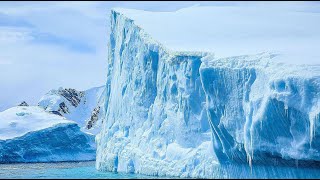
Geology - Glaciers and Ice Sheets
Explore glaciers and ice sheets, their formation, movement, and impact on landscapes. Learn about glacier types, features, and their role in shaping Earth's surface and climate.
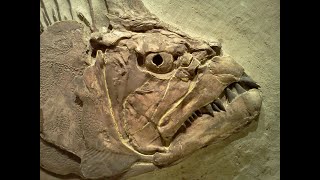
Geology - Geologic Time
Explore Earth's history through geologic principles, fossil evidence, and radiometric dating techniques to understand the vast timescales of our planet's evolution.
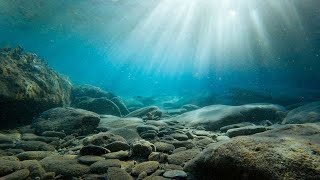
Geology - The Ocean Floor
Explore ocean floor features like abyssal plains, mid-ocean ridges, and continental shelves. Learn about seafloor geology, oceanic crust formation, and plate tectonics in this comprehensive lecture.
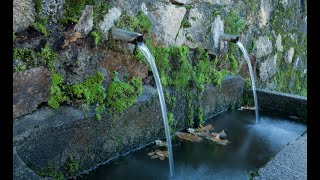
Geology - Groundwater
Explore Earth's freshwater systems, focusing on groundwater distribution, movement, and usage. Learn about soil moisture, water tables, and environmental challenges related to groundwater resources.
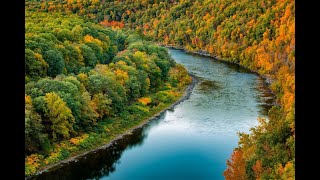
Geology - Rivers and Springs
Explore Earth's surface water systems, including rivers and watersheds. Learn about water flow, sediment transport, and the shaping of landscapes through erosion and deposition processes.
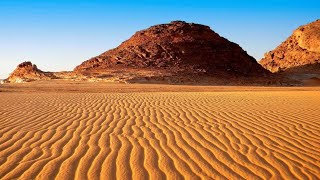
Geology - Deserts
Explore arid landscapes, their formation, and unique geological processes. Learn about desert types, wind erosion, dune formation, and the impact of ephemeral streams on these harsh environments.
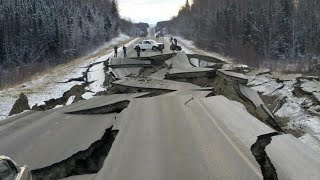
Geology - Earthquakes and Earth's Interior
Explore Earth's dynamic interior, seismic waves, and earthquake mechanics. Learn to measure and locate quakes, understand fault types, and discover Earth's layered structure.
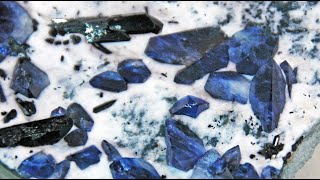
Geology - Metamorphic Rocks
Explore metamorphic rocks: textures, origins, minerals, and formation environments. Gain insights into metamorphic processes, from contact to regional metamorphism, and their geological significance.
Geology - Soil
Explore soil composition, formation, and profiles. Learn about soil texture, taxonomy, and human impacts on soil. Understand weathering processes and their role in ore deposits.
Geology - Sedimentary Rocks
Explore sedimentary rock formation, textures, minerals, and depositional environments. Learn about rock types, structures, and their significance in Earth's history and energy resources.

Geology - Igneous Rocks
Explore igneous rocks' formation, characteristics, and classifications. Learn about magma properties, rock compositions, textures, and naming conventions in this comprehensive geology overview.
Geology - Origins of Lava and Magma
Explore magma formation, types, and relationships to lavas and mineral deposits. Gain deeper insights into igneous processes and their geological significance.
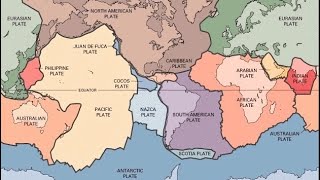
Geology - Plate Tectonics
Explore plate tectonics, from continental drift evidence to boundary types and global hotspots. Understand Earth's dynamic crust and its impact on land features, earthquakes, and volcanic activity.

Geology - Minerals
Explore mineral properties, crystal structures, and classifications in Earth's crust. Learn about silicates, felsic and mafic minerals, and important nonsilicates like carbonates.
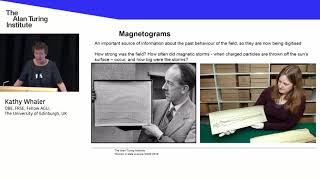
How Big Data Has Transformed and Is Transforming Geophysics
Exploring geophysical advancements: from analog instruments to digital data collection, satellite technology, and machine learning, revolutionizing Earth and planetary studies.
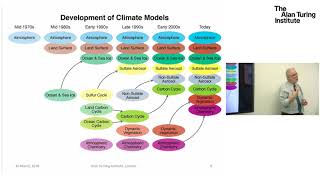
Responding to Complexity - Modelling and Organising Climate Data in CMIP6 - Dr Jeremy Walton
Explore climate data modeling in CMIP6, focusing on UK Earth System Model. Learn about processing pipelines, data conversion, and output analysis for advanced climate research.
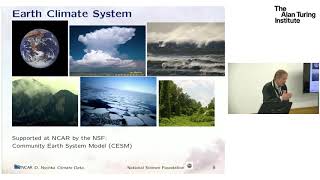
Climate Data Science: A Tour - Professor Doug Nychka, National Center for Atmospheric Research
Explore climate data science through statistical analysis, modeling, and Earth observation techniques. Learn about climate systems, data representation, and challenges in Earth system science.
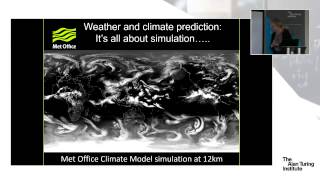
Big Data, Met Office and 21st Century Problems
Explore weather forecasting, climate prediction, and big data analysis at the Met Office. Learn about simulation techniques, ensemble forecasting, and addressing 21st-century environmental challenges.

Geologic Time and Dating Rocks Without Isotopes - Biostratigraphy and Lithostratigraphy
Explore geological dating methods beyond isotopes, including biostratigraphy and lithostratigraphy. Learn how fossils and rock types help construct the geologic timescale and correlate rocks globally.
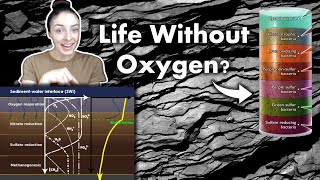
Life in Oxic, Suboxic, and Anoxic Sediments - Yes, Some Life Doesn't Require Oxygen!
Explore microbial life in sediment layers, from oxygen-rich to oxygen-free zones. Learn about diverse metabolic processes and their impact on organic matter decomposition in marine and freshwater environments.
Composition, Texture, and Classification of Sedimentary Rocks - Sed Strat 1
Explore sedimentary rock formation, classification, and characteristics. Learn about clastic, chemical, and biogenic types, textures, structures, and diagenesis effects on rock properties.