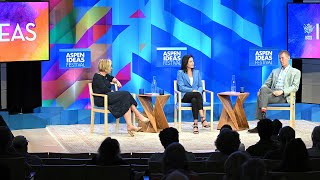
Economic Realities of the Energy Transition
Exploring the complex dynamics of global energy transition, including challenges in renewable technology and the ongoing dependence on oil trade in Middle Eastern economies.
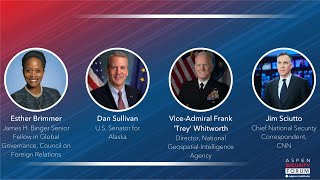
Navigating the New Arctic - Climate Change, Geopolitics, and Security Challenges
Explore Arctic challenges amid climate change: geopolitics, resource competition, indigenous impacts. Experts discuss US priorities, international cooperation, and strategic implications for the region's future.
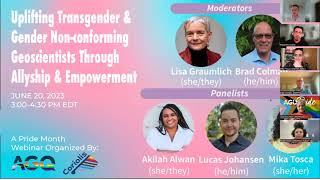
Uplifting Transgender and Gender Non-conforming Geoscientists Through Allyship and Empowerment
Engaging panel discussion on empowering transgender and gender non-conforming geoscientists, exploring LGBTQ+ community in STEM, allyship, and the intersection of identity and scientific research.
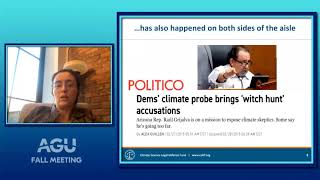
How Congressional Oversight Has Affected Science - Impacts and Reform Measures
Explore congressional oversight's impact on science, examining its benefits and drawbacks. Learn about reform measures and strategies for scientists facing political challenges.
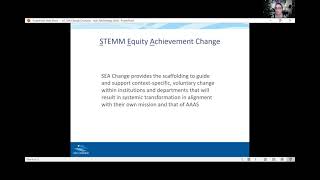
SEA Change - Making Diversity, Equity, and Inclusion in STEMM the Norm
Explore the SEA Change program for promoting diversity and equity in STEMM departments. Learn about its vision, criteria, and how to participate in this initiative for institutional recognition.
A GeoHealth Perspective on COVID-19
Explore COVID-19's environmental and climate links, its impact on air quality, and implications for health policies. Includes insights on publishing in the GeoHealth journal.
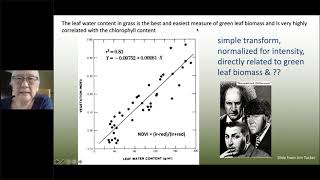
Detecting Land Cover Change - Carl Sagan Lecture Series
Explore remote sensing techniques for studying carbon cycles and land cover changes, connecting atmospheric and land system ecology across multiple scales.
Advancement of Remote Sensing Technology to Study Planetary Metabolism
Exploring remote sensing advancements for understanding Earth's metabolism and global environmental changes, integrating astrobiology and planetary science perspectives.
Climatological, Meteorological and Environmental Factors in COVID-19 - Day 3 Part 2
Explores environmental and meteorological factors in COVID-19 forecasting, discussing actionable insights for decision-makers and outlining future research directions in pandemic management.
Climatological, Meteorological and Environmental Factors in COVID-19 Forecasting - Day 2
Explores integrating meteorological and environmental data into COVID-19 forecasts, featuring expert discussions on early warning systems, environmental sensitivities, and forecast capabilities.
AGU's Four Policy Priorities for 2020 - Advocacy and Scientific Enterprise
Explore AGU's 2020 policy priorities, legislative tracking, and member involvement opportunities, including efforts to support scientific enterprise during COVID-19 challenges.
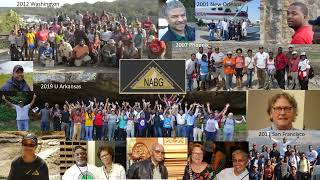
Diversity, Equity and Inclusion Workshop - Progress and Lessons Learned After One Year of Anti-Racism Work
Explore strategies, successes, and challenges in organizing for diversity, equity, and inclusion in geosciences, featuring student leaders and the role of allies in achieving DEI goals.
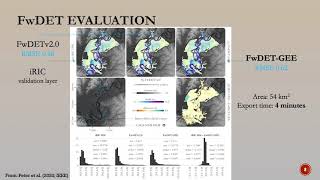
Confounding Major Disasters in 2019-2020
Interdisciplinary analysis of major disasters in 2019-2020, exploring science, early warning systems, mitigation strategies, and socioeconomic impacts of extreme events like COVID-19, bushfires, and floods.
July GeoHealth Early Career Webinar
Explore the intersection of geosciences and health in this AGU webinar, designed for early career professionals seeking insights and networking opportunities.
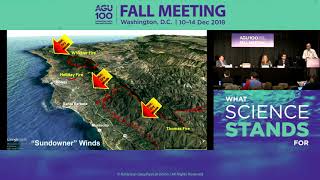
2018 U.S. Wildfire Season: Expert Analysis and Insights
Experts discuss the 2018 U.S. wildfire season, covering smoke, health impacts, climate change, weather forecasting, and post-fire debris flows in this media availability session.
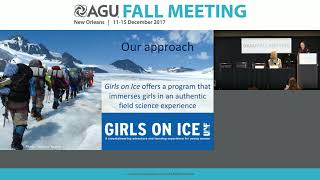
Improving Gender Equity in the Geosciences - Programs for Recruiting and Retaining Women
Panelists discuss programs to increase diversity in geosciences, focusing on engaging girls and women through hands-on experiences, field science visibility, and interdisciplinary approaches like biology and art.
Toxic City Under the Ice: Camp Century's Hidden Legacy in Greenland
Explore the hidden Cold War military base in Greenland's ice sheet, its abandoned toxic waste, and the environmental implications of climate change-induced melting.
Ecological and Remote Sensing Perspectives of the 2017 Atlantic Hurricane Season
Explore remote sensing and ecological insights from the 2017 Atlantic hurricane season through expert presentations on storm impacts, meteorological analysis, and advanced monitoring techniques.
Examining Societal Impacts of the 2017 Atlantic Hurricane Season - Fall Meeting 2017
Explore the societal impacts of the 2017 Atlantic hurricane season through informatics and engineering perspectives, featuring insights from leading researchers across multiple institutions.
Energy Poverty and Potential Impacts to Other Critical Infrastructures - Powerful Paths to Progress
Explore disruptive changes in energy delivery, addressing equity, security, resilience, affordability, and sustainability amid historical injustices, climate threats, and global turmoil.
Science Policy Conference 2012 - Opening Plenary on Arctic Energy Development
Experts discuss risks and rewards of Arctic energy development, addressing economic, social, and security considerations in light of rapidly changing conditions and lessons from Deepwater Horizon.