GPR Applications in Sedimentology
Explore ground-penetrating radar applications in sedimentology, from river beds to sand dunes, with high-resolution imaging of shallow stratigraphy across diverse environments.
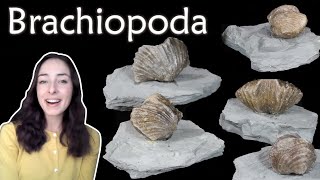
Brachiopoda - Invertebrate Paleontology - GEO GIRL
Explore brachiopod anatomy, morphology, and classification. Learn to distinguish these marine invertebrates from mollusks and understand their evolutionary history and diverse shell shapes.
Youth in Action - Diving into Ocean Biodiversity
Explore marine biodiversity with Jackson Powell, a marine biologist studying invertebrates. Learn about his research, career path, and the importance of challenging stereotypes in science.
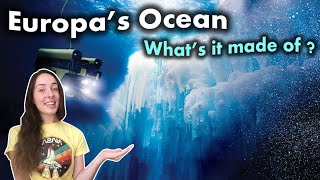
What Is Europa's Ocean Made Of and How Do We Know? - Geo Girl
Explore Europa's hidden ocean: its composition, salinity, and potential for life. Discover geological evidence, water-rock interactions, and the role of hydrothermal vents in this fascinating Jovian moon.
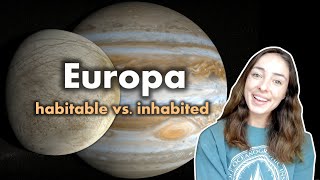
Life on Europa - What Conditions Make Europa Habitable? - Astrobiology
Explore Europa's potential for harboring life by examining its water, essential elements, and energy sources. Discover possible metabolic pathways and the distinction between habitable and inhabited environments.
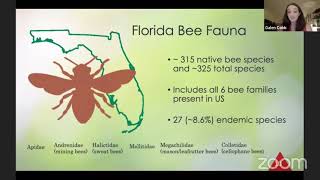
Bee Better to Our Planet
Learn about Florida's diverse native bee species, their crucial role in pollination, and practical ways to support bee conservation efforts.
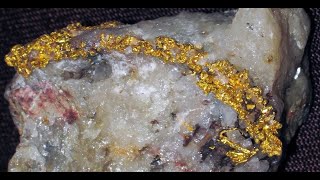
Geology - Geoscience and the Origins of the Earth
Explore Earth's formation, structure, and systems in this comprehensive overview of geological principles, from the Big Bang to the rock cycle and Earth's spheres.
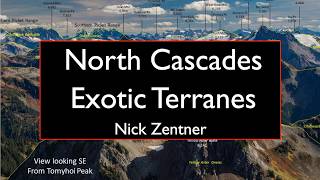
Exotic Terranes in the North Cascades - Nick Zentner
Explore the geological history of the North Cascades, focusing on exotic terranes, superterranes, and plate tectonics. Learn about Baja BC, pluton formation, and the complex evolution of this fascinating region.
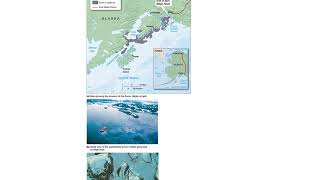
Marine Pollution Lecture
Comprehensive overview of marine pollution types, sources, and impacts, covering oil spills, chemical contaminants, sewage, plastics, and environmental regulations.
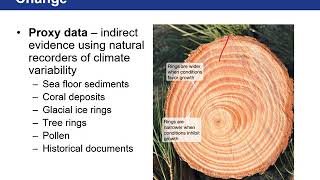
Climate Change
Explore Earth's climate system, natural and human-caused changes, greenhouse effects, and future scenarios. Understand climate data, global warming impacts, and ocean changes.
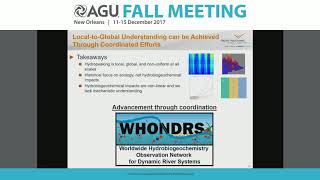
Groundwater-Surface Water Interactions - Identifying and Integrating Patterns and Processes Across Scales
Explore groundwater-surface water interactions through physical, biological, and chemical perspectives across various scales. Gain insights from experts on identifying patterns and processes in this crucial environmental interface.
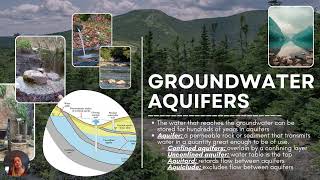
Earth's Geosphere: Introduction to Groundwater - Lecture 1
Explore groundwater concepts, from porosity to aquifers, and learn about water towers, recharge, and natural springs in this comprehensive geosphere lecture.
Water, Society and Sustainability
Explore water's societal impact through historical, ecological, and political lenses. Examine ancient techniques, colonial influences, and contemporary challenges in water management and sustainability.
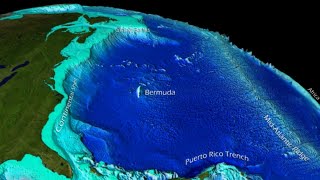
Oceanography - Marine Provinces
Explore ocean floor topography, continental margins, and mid-ocean ridge features. Learn modern bathymetry techniques and understand the diverse marine provinces of our planet's seas.

Cretaceous Polar Life - Science Festival
Explore ancient polar ecosystems of Victoria, including forests and dinosaurs from over 100 million years ago. Learn about fossil evidence and research on Cretaceous life in Australia.
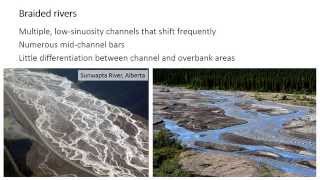
Earth - Sedimentology-Stratigraphy
Explore sedimentology and stratigraphy through comprehensive video lectures covering fluvial systems, coastal environments, carbonate formations, and sequence stratigraphy.

Administrative Divisions Explained
Comprehensive exploration of global administrative divisions, covering countries' states, provinces, and regions across continents, offering insights into geographical and political structures worldwide.

Python Applications for Hydrology and Hydrogeology
Learn to leverage Python for hydrological and hydrogeological data analysis, including time series analysis, data visualization, and spatial data handling. Gain practical skills for automating tasks and creating impactful visualizations.

Introduction to the Design of Sustainable Drainage Systems - SuDS
Explore sustainable drainage systems (SuDS) design, including principles, infrastructure, and various facilities like bioretention, swales, and green roofs. Learn advantages, sizing tips, and reporting techniques for effective stormwater management.
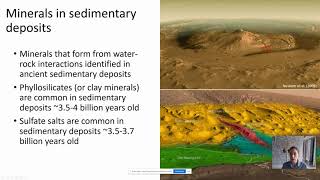
Advances in the Mineralogy of Mars
Explore Mars' mineralogy with NASA scientist Dr. Rampe, covering mineral formation, Martian geology, and recent discoveries. Gain insights into the Red Planet's composition and evolution.
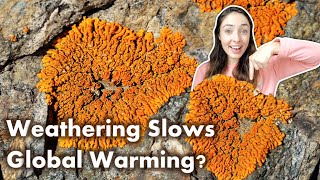
Mineral Weathering - How and Why Rocks Weather and How Microbes Drive Weathering
Comprehensive exploration of mineral weathering processes, including microbial influences, silicate and carbonate dissolution, and their impact on global climate. Covers key concepts and mechanisms in geochemistry.