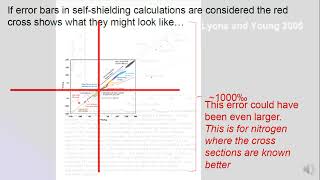
Discoveries of Mass Independent Isotope Effects in the Solar System - Past, Present and Future
Explore mass-independent isotope effects in the solar system, covering measurements, photochemistry, meteorites, and implications for understanding solar system formation and evolution.
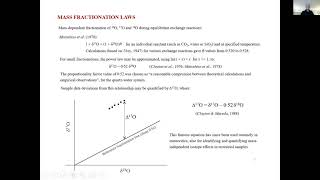
Why Measure 17O? Historical Perspective, Triple-Isotope Systematics and Selected Applications
Explore triple oxygen isotope geochemistry, focusing on 17O measurement, its historical context, and applications in geological studies. Gain insights into mass fractionation laws and isotope systematics.
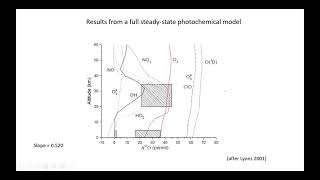
Oxygen Isotope Composition of the Atmosphere
Explore atmospheric oxygen isotope composition, exchange reactions, and governing equations. Gain insights into delta 17 values, nitrate, sulfate, and the Vulcan model.
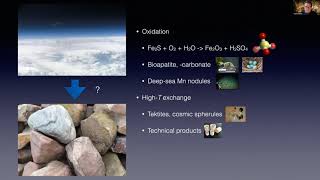
Isotopic Fingerprints of Atmospheric Molecular Oxygen in Rocks, Minerals, and Melts
Explore isotopic signatures of atmospheric O2 in geological materials, their formation processes, and implications for understanding Earth's past and present environments.
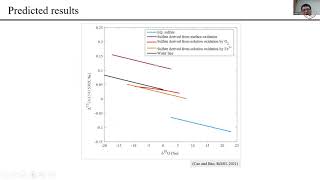
Small Triple Oxygen Isotope Variations in Sulfate - Mechanisms and Applications
Explore sulfate's triple oxygen isotope variations, their mechanisms, and applications in geochemistry. Gain insights into the sulfur cycle and oceanic anomalies.
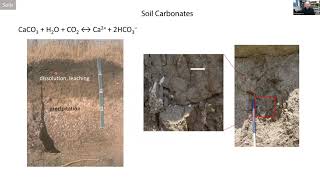
Triple Oxygen Isotopes in Carbonates, Biological Apatites, and Continental Paleoclimate Reconstruction
Explore triple oxygen isotopes in carbonates and apatites for paleoclimate reconstruction, covering evaporative modification, closed basin lakes, and aridity gradients.
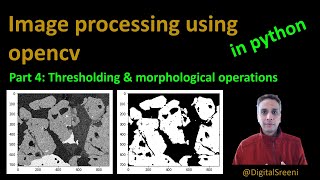
Thresholding and Morphological Operations Using OpenCV in Python
Learn to enhance image quality using OpenCV's thresholding and morphological operations for noise reduction and feature extraction in Python.
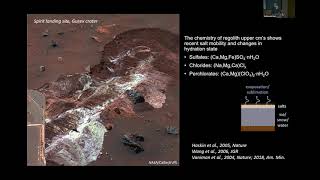
Mars- History of a Habitable World and Lessons for Terrestrial Planet Evolution - Bethany Ehlmann
Explore Mars' geological history, habitability, and lessons for planetary evolution. Discover diverse aqueous environments, climate changes, and implications for exoplanets through recent scientific findings and ongoing missions.
Sedimentology Futures - Geoheritage, Planetary Exploration, and Technology
Explora el futuro de la sedimentología: geopatrimonio, exploración planetaria y tecnología. Descubre cómo estos campos interconectados están transformando la investigación y abriendo nuevas fronteras en la ciencia sedimentológica.
Reading History From the Afar - Carbonates and Evaporites Unveil the Birth of a Future Ocean
Explore the unique sedimentary record of the Danakil Depression, revealing insights into rift basin formation, sea-level changes, and tectonic processes in this geological laboratory of continental rifting.
Late Holocene Relative Sea-Level Change with Mangrove Sediments in the Western Pacific Ocean
Explore late Holocene sea-level changes using mangrove sediments, discussing global distribution, proxy reconstructions, and implications for cultural heritage in the western Pacific.
The Close Relation of Carbonate Platforms and Ocean Currents
Ocean currents shape isolated tropical carbonate platforms, influencing growth, sedimentation, erosion, and drowning. Examples illustrate current-controlled systems, their geometric features, and geological evolution.
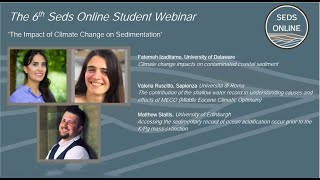
The Impact of Climate Change on Sedimentation
Explore climate change's impact on coastal sediments, ocean acidification, and ancient warming events through expert presentations on cutting-edge research and novel geochemical techniques.
Paired Calcium and Clumped Isotopes, Tools to Probe Changing Diagenetic Systems
Explore calcium and clumped isotopes to study carbonate recrystallization in the Bahamian margin, revealing insights into fluid flow rates and their impact on diagenetic reactions in evolving carbonate systems.
Meteorites and Mass Extinctions - Size Doesn’t Matter!
Explore the surprising link between meteorite impacts, rock mineralogy, and mass extinctions, challenging conventional theories about impact size and extinction intensity.
Forces Shaping the Incredible Steep Slopes of Carbonate Platforms
Explore the formation and dynamics of steep carbonate platform slopes, including cementation, erosion, and current-related processes, using examples from Florida and the Bahamas.
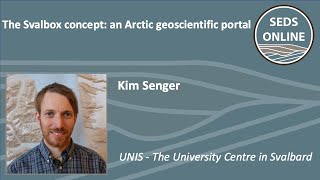
The Svalbox Concept - An Arctic Geoscientific Portal
Explore Svalbard's geology through digital outcrop models, integrating regional data for extended field research and virtual exploration of this Arctic geological paradise.
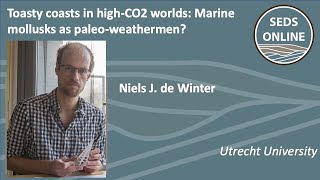
Toasty Coasts in High-CO2 Worlds - Marine Mollusks as Paleo-Weathermen?
Explore how mollusk shells serve as archives for past climate and ecosystem changes, revealing insights into extreme weather patterns and seasonality in high-CO2 environments.
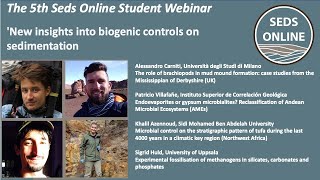
New Insights into Biogenic Controls on Sedimentation
Explore biogenic influences on sedimentation through case studies on brachiopods, endoevaporites, tufa formation, and microbial fossilization, offering new perspectives on geological processes.
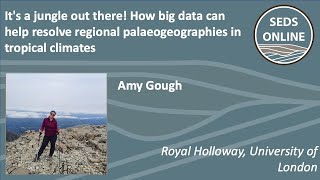
How Big Data Can Resolve Regional Palaeogeographies in Tropical Climates
Explore SE Asian palaeogeography through big data analysis of minerals and detrital grains, overcoming challenges of tropical climates to reconstruct complex tectonic histories and ancient landscapes.
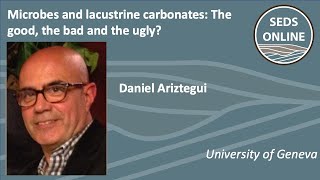
Microbes and Lacustrine Carbonates - The Good, the Bad and the Ugly?
Explore the complex interplay between microbes and lacustrine carbonates, examining biotic and abiotic processes in modern environments from the Andes to the Alps and their implications for fossilized microbialites.