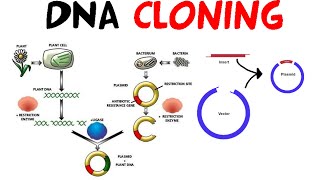
Recombinant DNA Technology
Comprehensive exploration of DNA manipulation techniques, covering cloning, libraries, PCR, blotting, and vectors. Ideal for mastering molecular biology fundamentals and advanced applications.
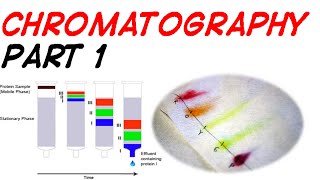
Biological Techniques
Comprehensive exploration of advanced biological techniques, covering chromatography, microscopy, spectroscopy, and molecular biology methods for analyzing and manipulating biological systems.
Learn About Cellosaurus - The Cell Lines Knowledge Resource
Explore Cellosaurus, a comprehensive cell line database for biomedical research. Learn to navigate the resource, submit information, and obtain Research Resource Identifiers for various cell types.
SwissRegulon Portal - Tools and Data for Regulatory Genomics
Explore regulatory genomics tools: SwissRegulon portal, ISMARA for network inference, CRUNCH for ChIP-seq analysis, and REALPHY for phylogeny reconstruction.
Learn About SwissOrthology - Orthology Prediction Tool
Explore orthology prediction with SwissOrthology, covering molecular evolution, comparative genomics, and bioinformatics tools. Learn to use OMA, OrthoDB, and SPARQL for advanced genomic analyses.
Learn About Bgee - Gene Expression Tool
Explore Bgee, a database for comparing gene expression across animal species. Learn data integration, tools, and applications in cancer, agriculture, and evolutionary biology.
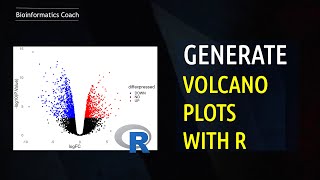
Data Visualization
Learn to create volcano plots and heatmaps in R for bioinformatics analysis. Reproduce Galaxy tutorials and master essential data visualization techniques for beginners.
Data Visualization in R
Learn to create impactful volcano plots and heatmaps for bioinformatics using R, with step-by-step guidance on reproducing Galaxy tutorials and utilizing the pheatmap package.
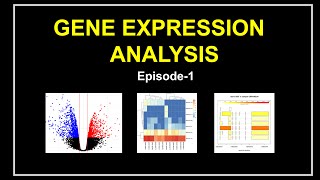
Gene Expression Analysis
Learn essential techniques for analyzing gene expression data, including RNA-Seq pipelines, volcano plots, heatmaps, and RNAseq data analysis using R and Python.
RNA-Seq Analysis
Learn step-by-step RNA-Seq data analysis, including creating Volcano Plots in R. Ideal for bioinformatics beginners, this tutorial reproduces Galaxy workflows and provides hands-on experience.
BCFtools Tutorials
Learn essential bcftools techniques for VCF file manipulation, including reading, indexing, extracting data, renaming chromosomes, counting variants, and splitting files.
VCF File Manipulation
Learn essential VCF file manipulation techniques using bcftools, including reading, indexing, counting variants, extracting data, renaming chromosomes, and splitting files for effective bioinformatics analysis.
Python for Sequence Analysis & Bioinformatics
Learn Python for sequence analysis and bioinformatics, covering file handling, GC content calculation, GenBank parsing, data visualization, and NCBI interactions for biological data processing.
Handling Bioinformatics Data
Learn essential bioinformatics skills: merging VCFs, reading FASTA files, indexing and analyzing VCFs, and counting variants using bcftools and Linux commands for efficient data handling.
Post-Genome Assembly
Comprehensive tutorial on bacterial genome analysis, covering annotation, visualization, pangenome analysis, resistance gene identification, phylogenetic tree construction, and comparative genomics techniques.
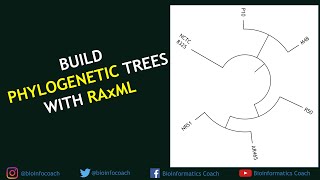
Phylogenetic Trees
Explore gene-based phylogenetic tree construction using RAxML and visualization with iTOL. Learn MUSCLE and PhyML for comprehensive evolutionary analysis techniques.
Bioinformatics Tools Installation
Comprehensive guide for installing various bioinformatics tools using source code, binaries, and Anaconda. Covers essential software like Artemis, RAxML, MUSCLE, and more for Windows and Linux systems.
Python for Bioinformatics - Intermediate
Enhance bioinformatics skills with Python: analyze DNA sequences, handle FASTA and GenBank files, calculate GC content, plot Venn diagrams, and interact with NCBI databases.
Python for Biologists
Learn Python programming for biological data analysis, covering DNA manipulation, sequence analysis, and file parsing techniques for bioinformatics applications.
Genome Comparative Analysis
Explore bacterial genome analysis techniques, from phylogenetic tree creation to antimicrobial resistance gene identification, with hands-on tutorials suitable for beginners in bioinformatics.
Genome Annotation
Explore bacterial genome annotation techniques, from assembly to visualization, with hands-on tutorials covering tools like Prokka, PGAP, ISfinder, CGView, and Artemis for comprehensive bioinformatics analysis.