STAT115 2020
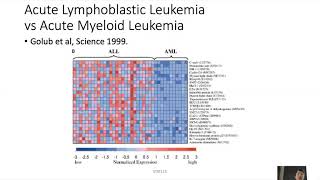
Comprehensive bioinformatics course covering sequencing technologies, RNA-seq analysis, clustering methods, single-cell genomics, epigenetics, GWAS, and cancer genomics. Emphasizes computational techniques and data analysis in modern biology.

Protein Annotations
Learn protein annotation techniques including molecular docking, function identification, structure analysis, and molecular dynamics simulations using tools like Autodock, Pymol, and Gromacs.
Biopython
Learn essential Biopython techniques for bioinformatics, including sequence analysis, NCBI database access, BLAST queries, and COVID-19 genome analysis. Practical tutorials with Python.
Python for Bioinformatics - Beginner Level
Learn Python programming for bioinformatics, covering DNA sequence manipulation, data types, and analysis techniques. Ideal for beginners in biology and computational biology.
Bioinformatics- Algorithms and Applications
In this course, we aim to give a walkthrough of the major aspects of bioinformatics such as the development of databases, computationally derived hypothesis, algorithms, and computer-aided drug design.
Introductory Molecular Biology & Animal Physiology Lab
Explore molecular biology and animal physiology through hands-on lab techniques, data analysis, and genomics. Gain practical skills in R, electrophoresis, DNA isolation, and bioinformatics tools.
WGS Variant Calling - Variant Calling with GATK - Part 1 - Detailed NGS Analysis Workflow
Detailed tutorial on variant calling from WGS data using GATK best practices, covering quality control, alignment, duplicate marking, base recalibration, and variant discovery with HaplotypeCaller.
Understanding File Formats in Bioinformatics - VCF and gVCF
Comprehensive guide to VCF and gVCF file formats in bioinformatics, covering structure, interpretation, and key concepts like genotypes, alleles, and variant recording for genomic analysis.

AI in Medicine - Keynote at Cambridge CCAIM24 Summer School
Explore AI's transformative impact on medicine with insights from a leading expert, covering cutting-edge applications and future possibilities in healthcare.
Natural Language Processing - Zero to Hero
Explore NLP fundamentals with TensorFlow, from tokenization to sentiment analysis and AI-generated poetry, in this beginner-friendly series led by Laurence Moroney.
R for Bioinformatics
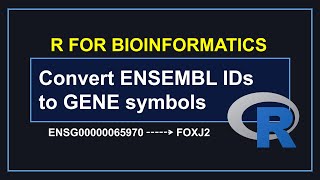
Learn to convert Ensembl IDs to gene symbols and create heatmaps using R packages like biomaRt and pheatmap, essential skills for bioinformatics data analysis and visualization.
Transcriptomics
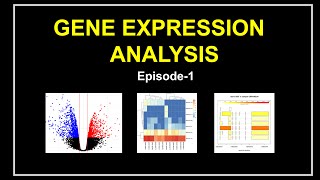
Comprehensive guide to RNA-Seq analysis, covering data processing, visualization techniques like volcano plots and heatmaps, and practical applications using R and Galaxy.

Molecular Dynamics Simulation with GROMACS - Installation and Beginner Tutorial
Step-by-step guide to install GROMACS and run a beginner-level molecular dynamics simulation of a protein in water, covering both Windows and Linux platforms.
Protein Analysis
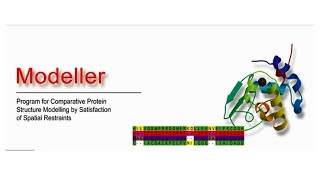
Learn essential protein analysis techniques including homology modeling, molecular docking, structure prediction, and interaction analysis using popular tools like Modeller, Autodock Vina, and PyMol.
Cytoscape
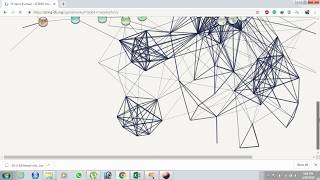
Explore protein-protein interactions using String and Cytoscape, create high-quality network figures, and identify nodes and edges in cluster finder for bioinformatics research.
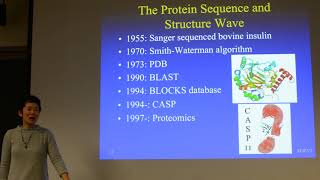
STAT115 2018
Comprehensive exploration of computational biology, covering microarrays, RNA-seq, ChIP-seq, epigenetics, GWAS, cancer genomics, and deep learning, with hands-on data analysis techniques.
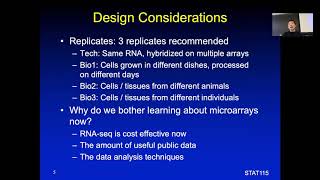
STAT115
Comprehensive lecture series on statistical methods for analyzing genomic data, covering microarrays, RNA-seq, epigenetics, cancer genomics, and more. Focuses on practical applications in bioinformatics and computational biology.
Evolutionary Forces in Humans and Pathogens - Natural Selection and Genomic Studies
Explore genomic evolution in humans and pathogens, focusing on natural selection, adaptive traits, and disease-causing microbes. Learn about cutting-edge research methods and their public health implications.
Tiling the Genome - Naming the Parts of Your Genome That Make You You
Explore genomic tiling, precision medicine, and the future of DNA-based healthcare. Learn about organizing computational resources, big data platforms, and the Personal Genome Project's impact on clinical genetics.
Domain Adaptation with Invariant Representation Learning - What Transformations to Learn?
Explore domain adaptation in machine learning, focusing on invariant representation learning and its challenges. Learn about novel techniques for optimal feature mapping across domains.
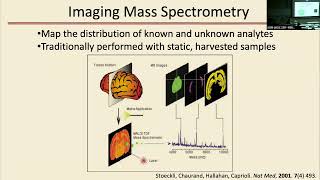
Spatial SILAC - Developing Isotopic Zip Codes for Drug Development in 3D Cell Cultures
Explore innovative drug development techniques using Spatial SILAC in 3D cell cultures, presented by Prof. Amanda Hummon from Ohio State University.