Biopython
Learn essential Biopython techniques for bioinformatics, including sequence analysis, NCBI database access, BLAST queries, and COVID-19 genome analysis. Practical tutorials with Python.
Bioinformatics- Algorithms and Applications
In this course, we aim to give a walkthrough of the major aspects of bioinformatics such as the development of databases, computationally derived hypothesis, algorithms, and computer-aided drug design.

Introduction to Bioinformatics
Comprehensive exploration of bioinformatics fundamentals, covering key concepts and techniques over 15 weeks. Ideal for those seeking a thorough understanding of this interdisciplinary field.
The Limits of Virus Discovery and How to Overcome Them - Primer on Sequence Bioinformatics
Explore cutting-edge methods for RNA virus discovery, including ultra-high throughput cloud computing and advanced sequence homology algorithms, to uncover millions of novel viruses by 2030.
Uni-alignment: A Parameter-free Framework for Fast and Accurate Sequence Alignment
Explore a parameter-free framework for fast and accurate sequence alignment, focusing on UniAligner's innovative approach to genomic data analysis and its implications for computational biology.

Biotechnology
Explore advanced biotechnology techniques including DNA fingerprinting, PCR, blotting, and sequencing. Gain insights into microbiology, genetics, and protein analysis for cutting-edge research applications.
Bioinformatics With Practical
Comprehensive introduction to bioinformatics covering databases, sequence alignment, algorithms, and practical applications with hands-on exercises using various tools and techniques.

Sequence Alignment
Learn techniques for comparing biological sequences, including dot plots and global alignment methods, to analyze similarities and differences in DNA or protein data.
Bioinformatics 101
Learn Python-based bioinformatics techniques for DNA analysis, sequence alignment, and protein visualization. Explore NCBI databases, BLAST searches, and COVID-19 genome analysis using Biopython.
Days of Biopython
Learn essential Biopython techniques for bioinformatics analysis, including FASTQ processing, NCBI database access, sequence alignment, COVID-19 genome analysis, and data visualization.
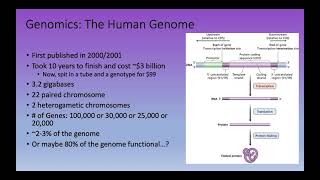
Bioinformatics Course Lectures
Comprehensive bioinformatics lectures covering genomics, sequencing, evolution, statistics, alignment, phylogenetics, assembly, annotation, and genetic variation for aspiring bioinformaticians.
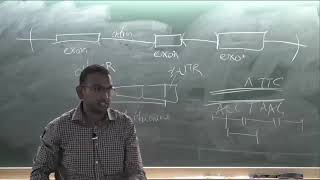
Sequence Alignment - Hidden Markov Models, Category Theory and All That Jazz by Soumyashant Nayak
Explore sequence alignment methods, from traditional algorithms to modern pseudo-alignment techniques, with insights on hidden Markov models and applications in RNA-Seq data analysis and evolutionary genetics.
Homology Modeling for Beginners - COVID-19 NP Protein Modeling - Session 2
Learn sequence alignment, model generation, and validation for COVID-19 NP protein using Modeller and PROCHECK tools in this practical bioinformatics tutorial on homology modeling.
Homology Modeling for Beginners - COVID-19 NP Protein Modeling with Modeller
Learn homology modeling basics and hands-on pipeline using Modeller tool to construct atomic-resolution protein models from amino acid sequences and related homologous structures.

Using Structural Biology to Support Variant Assessment - Webinar - Ambry Genetics
Explore structural biology's role in variant assessment, focusing on biophysical methods to evaluate protein function disruption and reclassify variants of unknown significance.
Recent Progress Towards Petabase-Scale Genomics
Explore recent advancements in petabase-scale genomics, focusing on efficient whole-genome assembly techniques and large-scale sequence alignment for viral discovery.
Uni-alignment: A Parameter-free Framework for Fast and Accurate Sequence Alignment
Discover a parameter-free framework for fast sequence alignment through UniAligner, exploring innovative approaches to computational genomics and bioinformatics analysis.
Sequence Alignment and Dynamic Programming in Computational Biology - Lecture 4
Comprehensive exploration of sequence alignment techniques, from comparative genomics to dynamic programming, covering local alignment, hashing, and BLAST for efficient genomic analysis and evolutionary insights.
Comparative Genomics - Lecture 20
Explore comparative genomics principles and methodologies for analyzing DNA sequences across species to understand evolutionary patterns and functional elements.

How AI Is Saving Billions of Years of Human Research Time | Max Jaderberg | TED
Research scientist Max Jaderberg explores how "AI analogs" can simulate real-world lab work at incredible speed and scale, drawing on his experience with Google DeepMind's AlphaFold 3 to show how AI accelerates protein folding and drug discovery research.