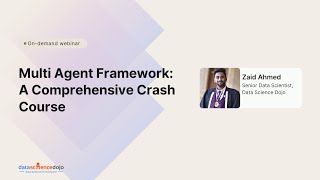
Multi-Agent Frameworks for LLM Applications: From Theory to Implementation
Discover how to build advanced LLM applications using LangGraph for multi-agent collaboration, enabling specialized task handling and improved workflow management through practical demonstrations and hands-on exercises.
Can LLMs Generate Novel Research Ideas? - A Study of AI Research Generation and Expert Evaluation
Explore groundbreaking research comparing LLMs with expert researchers in generating novel ideas, examining the potential and limitations of AI in accelerating scientific discovery through empirical evaluation.

EfficientML.AI Lecture - Machine Learning Efficiency and Optimization
Master efficient machine learning techniques and optimization strategies for deploying ML models in resource-constrained environments, focusing on practical implementation methods.
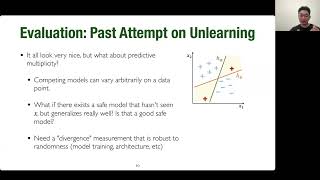
Evaluating Unlearning and Memorization via Compression
Explore cutting-edge research on machine learning compression techniques, focusing on model unlearning and memorization evaluation methods presented by CMU researcher Zhili Feng.
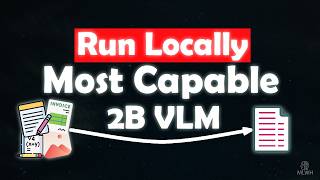
Building Local LLMs for OCR, Object Detection and Image Parsing Using Mono-InternVL
Master local implementation of Mono-InternVL for advanced computer vision tasks including OCR, object detection, and image parsing using Python, achieving high-precision results.

Comparing AI Data Integration Methods: Long Context Windows, RAG, and Model Tuning
Explore the key differences between long context windows, RAG, and model tuning for AI applications, understanding when and how to implement each approach effectively.

Building a Visual Inspection System for Defect Detection with Python
Learn to create a Python-based visual inspection system that automatically detects and identifies surface defects using AI and computer vision techniques.
Machine Learning for Protein Engineering in Drug Discovery
Discover how machine learning intersects with molecular biology and protein engineering through insights from UC Berkeley Professor Jennifer Listgarten's keynote address on advancing drug discovery innovations.
Accelerating Drug Discovery with Generative AI
Discover how generative AI accelerates drug discovery through advanced machine learning techniques and innovative computational approaches in pharmaceutical research.
Geometric Deep Learning for Protein Understanding and Design
Discover how geometric deep learning advances protein understanding and design, exploring cutting-edge AI applications in drug discovery and development.
AI Inference: The Secret to AI's Superpowers
Discover how AI Inference powers data-driven decision making, enabling more accurate predictions and smarter interactions between humans and machines in real-world applications.
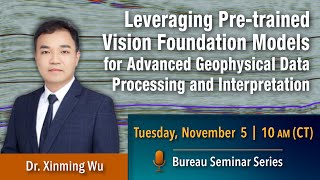
Leveraging Pre-trained Vision Foundation Models for Geophysical Data Processing and Interpretation
Discover how to adapt computer vision foundation models for geoscience applications, focusing on efficient processing and interpretation of geophysical data like seismic and lunar imagery.
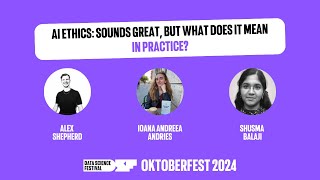
AI Ethics: From Theory to Practice - A Guide to Responsible Implementation
Explore practical approaches to AI ethics, from global landscape and regulatory frameworks to implementing ethical innovation in real-world data science applications.

Understanding Microsoft's Magnetic-One: A Generalist Multi-Agent AI System
Explore Microsoft's Magentic-One system, a generalist multi-agent framework that tackles complex tasks through unified code and prompts, with practical demonstrations and architectural insights.
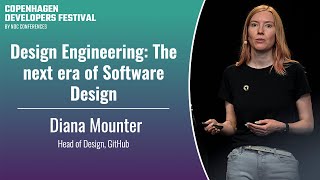
Design Engineering: The Next Era of Software Design in the Age of AI
Explore the evolving intersection of design and programming in the AI era, examining how Design Engineering shapes software development's future through real experiences at GitHub.
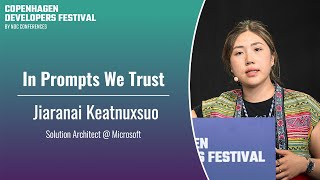
In Prompts We Trust - A Guide to Effective Prompt Engineering for LLMs
Dive into effective prompt engineering techniques for Large Language Models through live demonstrations and audience participation, learning to craft precise prompts for reliable AI outputs.

EfficientML.AI - Introduction to Efficient Machine Learning
Master efficient machine learning techniques and optimization strategies for deploying ML models in resource-constrained environments, focusing on practical implementation methods and performance enhancement.
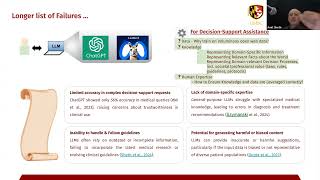
Neurosymbolic Customized and Compact Copilots for Critical Applications
Explore the development of neurosymbolic AI models for critical applications, focusing on creating controllable, compact, and customizable systems that ensure reliable and grounded reasoning.
Brag Your RAG with MLOps - Building Scalable GenAI Solutions on Kubernetes
Discover how to build and deploy scalable RAG applications using LangChain, Canopy, and PostgreSQL Vector database on Kubernetes, while implementing effective MLOps strategies for GenAI solutions.
Reproducible AI with Kubeflow, lakeFS and Langchain
Discover how to build reproducible AI pipelines using Kubeflow, Langchain, and lakeFS to create RAG chatbots with improved data quality and version control for enhanced user experiences.
Dressing Up Your Cluster for AI in Minutes with a Portable Network Custom Resource
Discover how to optimize Kubernetes clusters for AI workloads using portable network custom resources, enabling dynamic multi-network configurations and enhanced bandwidth for distributed computing tasks.