Introduction to the Theory of Computing - Stanford
Explore fundamental concepts of theoretical computer science, including automata, computability, and complexity theory, with practical applications and algorithmic fairness.
Fairness in Representation Learning - Natalie Dullerud
Explore fairness in deep metric learning, evaluating bias in representations and its impact on minority subgroups. Learn about a novel approach to mitigate bias and improve fairness in machine learning models.
Ulam Lectures - Cris Moore - Limits of Computers in Science and Society Part 1
Explore computational limits, problem complexity, and algorithmic challenges in science and society. From easy puzzles to impossible problems, delve into the nature of computation and its societal impact.

Fairness in Machine Learning: Tasks, Experiences, and Performance Measures
Explore fairness in machine learning, focusing on risk assessment tasks, data representation challenges, and performance measures. Learn about new findings and alternative approaches to promote equitable AI systems.
Going Beyond Popularity and Positivity Bias: Correcting Multifactorial Bias in Recommender Systems - M1.7
Explore techniques for addressing multiple biases in recommender systems, focusing on fairness and accuracy beyond popularity and positivity.
AI in Radiology: Pattern Detection, Fairness, and Clinical Applications - Lecture Series
Explore AI's ability to detect hidden patterns in X-ray images and its implications for radiologists. Delve into fairness considerations in chest X-ray diagnosis models and their potential impacts on clinical practice.

The Turing Lectures - Can We Trust AI?
Explore AI biases, their impact on fairness, and efforts to address these issues. Gain insights into critical evaluation of AI technologies and the importance of rigorous testing and corporate accountability.
The Elephant in your Dataset: Addressing Bias in Machine Learning
Explore bias in machine learning, its societal impact, and strategies to mitigate it. Learn to create fair and ethical AI systems through hands-on examples and cutting-edge research.

Can We Stop AI from Inheriting Our Biases?
Entdecken Sie, wie KI-Voreingenommenheit entsteht und wie wir sie reduzieren können. Dr. Julia Mann erklärt Ursachen und Lösungsansätze für fairere KI-Systeme.

Algorithmic Fairness and Individual Probabilities
Explore algorithmic fairness and the concept of individual probabilities, examining their implications for AI ethics and decision-making processes in machine learning applications.
Fair Clustering: Notations and Algorithms
Explore fair clustering algorithms and their role in preventing discriminatory outcomes in machine learning applications, focusing on group fairness and equal representation across clusters.

Fairness in Food Delivery Platforms - Ensuring Equitable Income Distribution and Customer Satisfaction
Explore algorithmic solutions for fair income distribution in food delivery platforms, focusing on innovative approaches like FAIRFOODY and WORK4FOOD to balance worker earnings and platform efficiency.
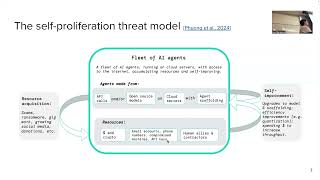
Topics in Responsible AI - Ethics, Fairness, and Accountability
Explore the critical principles and practices of responsible artificial intelligence, examining ethical considerations and implementation strategies for AI development.

Implementing Intersectionality in Algorithmic Fairness - Keynote Panel I
Exploring approaches to implement intersectionality in algorithmic fairness, addressing hidden biases and unique experiences at the intersection of identities to promote equitable AI systems.

Doing Good by Fighting Fraud - Ethical Anti-Fraud Systems for Mobile Payments
Explore ethical anti-fraud systems for mobile payments, addressing algorithmic bias and user challenges while examining key metrics and design principles for effective fraud detection.

Multigroup Fairness - Polylogues
Explore key themes of multigroup fairness in algorithmic systems with Stanford's Omer Reingold, discussing statistical judgment validity and societal implications of AI decision-making.
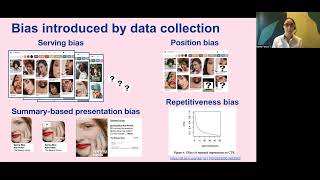
Inclusive Search and Recommendations
Explore inclusive AI in personalized discovery systems, focusing on fairness, diversity, and privacy. Learn strategies for reducing bias and implementing responsible AI in search and recommendation algorithms.
AI UK - Doing Better in Data Science – From Algorithmic Fairness to Diversity
Experts discuss responsible AI, diversity in data science, and creating fair, inclusive AI systems. Explore challenges and opportunities in algorithmic fairness, team diversity, and equitable AI access across society.

A Multi-Group Approach to Algorithmic Fairness - IPAM at UCLA
Explore multi-group approaches to algorithmic fairness, focusing on predictive algorithms, discrimination concerns, and calibration techniques for unbiased risk assessment across diverse populations.

Economic Fairness - IPAM at UCLA
Explore economic fairness concepts with Sendhil Mullainathan in this UCLA summer school lecture, covering key principles and their applications in algorithmic decision-making.
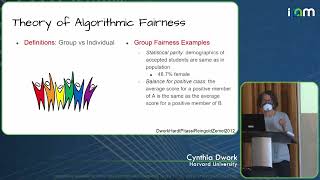
Cynthia Dwork - Group Fairness and Individual Fairness - IPAM at UCLA
Explore group and individual fairness in algorithmic decision-making, examining their definitions, advantages, and limitations in the context of ethical AI and machine learning applications.