Lessons Learned From Maintaining SDK in Python for Three Years
Explore key insights and strategies for maintaining Python SDKs, covering approaches, protocols, version management, and testing practices gained from three years of experience.
Build a Serverless WebAssembly App in Python Using Spin
Explore WebAssembly's potential in cloud computing. Learn to build serverless apps with Python and Spin, understanding WASM's benefits and its impact on cloud architecture.
Writing Python Codemods for Fun and Profit
Explore Python codemods for automated code improvements, focusing on security enhancements, resource management, and performance optimization using open-source tools and custom plugins.
Use of Python for Cutting-Edge Language Model Research
Explore Python's role in cutting-edge language model research, focusing on mechanistic interpretability, causal interventions, and practical examples using interpretability libraries.
Building Autosuggest Infrastructure for High-Performance E-commerce
Explore OTTO's journey in building and reinventing autosuggest infrastructure, covering deep technology, architecture, scalability, and team insights for high-performance e-commerce solutions.
Adding Interactivity to Your Data Science Models - Getting Started with Streamlit
Learn to create interactive web apps for data science using Streamlit. Explore basic concepts, add widgets, interact with data, and deploy to the cloud. Build apps for visualization, model training, and analytics.
Top 4 Python Libraries for Data Science
Explore four essential Python libraries for data science: NumPy, Pandas, Matplotlib, and Seaborn. Learn their key benefits and practical applications in fundamental data science concepts.
Data Preprocessing and Feature Engineering for Machine Learning
Master data preprocessing and feature engineering techniques for effective machine learning. Explore imputation, encoding, transformations, and more to maximize value from your data and improve model performance.
Building Value into Machine Learning Models and Articulating Their Worth
Gain insights on creating valuable machine learning models and effectively communicating their worth to stakeholders, focusing on WEKA and Python platforms.
A User Guide to Transformers
Explore practical applications of transformers with minimal examples for various scenarios, enhancing your understanding of this innovative data analysis tool.
Spark at Scale: Engineering Strategies for Data Science Workflows
Optimize PySpark applications and slash runtimes using engineering strategies for data science workflows, illustrated through a case study on in-store availability reporting.
What is Machine Learning - Lecture 2
Explore machine learning fundamentals, data preprocessing, and Python basics for energy and petroleum applications.
Why Both Open Source and Africa's Future Successes Are Intertwined
Explore the vital role of open source in Africa's technological advancement, examining challenges, opportunities, and success stories shaping the continent's innovative future.

Designing PCBs with Python: Introduction to Faebryk
Explore faebryk, an open-source Python library for electronic design automation. Learn to describe circuits in code, refining designs from abstract to specific while leveraging software development tools.
Deep Learning Like a Viking - Building Convolutional Neural Networks with Keras
Build a Convolutional Neural Network to recognize hand-written Viking runes using Keras, Python, and Flask. Learn CNN fundamentals and create a web application for real-time rune recognition.
Reproducible ML Experimentation with Rubicon-ML
Explore reproducible ML experimentation using rubicon-ml, an open-source Python library for capturing and storing model training information in a searchable way, ensuring full reproducibility and audit-ability.
An Innovative Approach to Giving Back to Open Source Projects That Power Your Business
Explore an innovative approach to corporate open source contribution through RBC's partnership with MLH, supporting JupyterLab-Git development and fostering future tech talent.
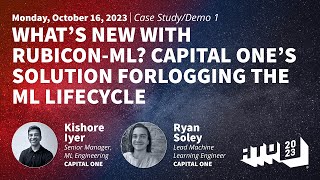
What's New with rubicon-ml? Capital One's Solution for Logging the ML Lifecycle
Explore rubicon-ml, Capital One's open-source solution for standardizing ML lifecycle logging. Learn to integrate it with popular libraries for efficient model development, monitoring, and governance.
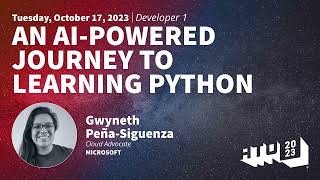
An AI-Powered Journey to Learning Python
Explore how AI tools like GitHub Copilot and ChatGPT can enhance the process of learning Python, with insights and stories to apply to your own tech learning journey.

Prompt Engineering: 7 Tricks to Solve Problems with AI - Part 4
Master prompt engineering techniques to enhance AI problem-solving. Learn 7 key tricks and explore practical applications using LangChain for building AI-powered solutions.

3 Ways to Make a Custom AI Assistant: RAG, Tools, and Fine-tuning
Explore three methods to create custom AI assistants using OpenAI: GPTs, Assistants API, and Fine-tuning API. Learn to build a YouTube comment responder through practical demonstrations.