Sentiment Analysis with-without NLTK Python
Learn to perform sentiment analysis in Python, covering text cleaning, tokenization, emotion detection, and visualization, with optional NLTK integration for advanced analysis.
NLP in Python - Natural Language Processing
NLP is a field concerned with the ability of a computer to understand, analyze, manipulate and potentially generate human language.In this course we study about NLP and use the NLP toolkit or NLTK in Python.
Sentiment Analysis, Big Data, Natural Language Processing
Learn to analyze Twitter data using Python, NLTK, and machine learning techniques for sentiment analysis and user influence ranking.
Pln Python Procesamiento De Lenguaje Natural
Aquí trateremos todo lo relacionado con PLN en PYTHON (Procesamiento del Lenguaje Natural) en la Inteligencia Artificial (IA) y el Machine Learning.

Python Sentiment Analysis Project with NLTK and Transformers - Classify Amazon Reviews
Learn to classify Amazon review sentiment using NLTK's VADER and Huggingface's RoBERTa models in Python. Compare results and gain practical NLP skills for language modeling and data science.
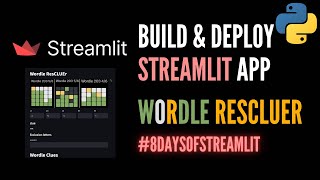
Wordle Solver - Build and Deploy Streamlit App Tutorial
Learn to build and deploy a Streamlit app that assists with the popular game Wordle, using Python and NLTK. Perfect for non-native English speakers seeking word clues.
Topic Modeling Workshop for Beginners in Python
Learn topic modeling in Python using Gensim, spaCy, and NLTK. Covers data preparation, exploratory analysis, tokenization, LDA modeling, and evaluation techniques for beginners.
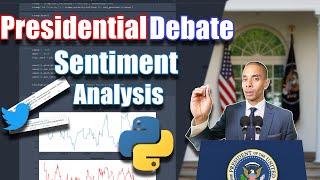
Presidential Debate Twitter Sentiment Analysis Using Python and NLTK
Learn to analyze Twitter sentiment for presidential debates using Python, NLTK, and TextBlob. Extract polarity and subjectivity from tweets to gauge public opinion on candidates quickly and efficiently.
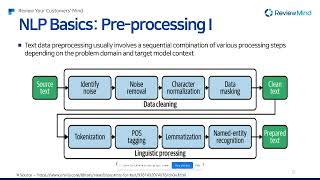
Introduction to NLP and Topic Modeling
Explore NLP basics, advanced techniques like word vectors, and topic modeling. Learn pre-processing, tools, and methodologies to start NLP modeling and understand topic analysis.
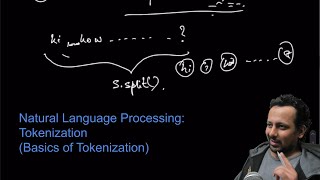
Natural Language Processing - Tokenization
Learn the fundamentals of tokenization in NLP, covering simple techniques and NLTK implementation. Gain practical coding skills for text processing and analysis.

Complete Natural Language Processing Machine Learning Tutorial
Comprehensive NLP tutorial covering tokenization, preprocessing, encoding, and word embeddings. Practical implementations and in-depth explanations for beginners and intermediate learners.
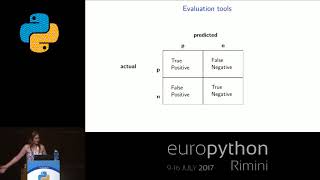
Baby Steps in Short-Text Classification with Python
Explore short-text classification using Python, from problem approach to model deployment. Learn about Naive Bayesian models, alternative algorithms, and practical implementation in production environments.

Solving Data Problems in Management Accounting
Streamline management accounting with Python: automate data screening, identify outliers, and improve report accuracy using statistical tools and machine learning for enhanced productivity.