Pydantic Power-up: Performance Tips for Lightning-Fast Python Applications
Discover performance optimization techniques for Pydantic, from simple tweaks to advanced strategies like tagged unions, enhancing Python application speed and efficiency.
CPython's Compilation Pipeline: From Source to Code Object
Explore CPython 3.13's refined compilation pipeline, from source to code object, and learn about Codoscope, a new visualization tool for understanding Python's translation process.

Making Python Safer Than Ever
Explore Python ecosystem security improvements, best practices for library maintainers and users, and PSF's efforts to enhance safety in the open-source supply chain.
Python Debugger Mechanics and Optimization - From sys.settrace to PEP 669
Explore Python debugger mechanics, from sys.settrace to PEP 669's low-cost monitoring system. Learn how debuggers work and discover potential 100x speedup for breakpoints in Python 3.12.
Rest Easy with Jupyrest - Deploy Notebooks as Web Services
Deploy Jupyter notebooks as web services effortlessly with Jupyrest, a Microsoft-developed library that transforms notebooks into microservices without modifications, streamlining the process for data scientists.

PEP 683: Immortal Objects - A New Approach for Memory Managing in Python
Explore Python's memory management, PEP 683's origins, and its impact on large-scale applications. Learn about Immortal Objects and their potential for improving performance and enabling true parallelism.

Enhancing Decorators with Type Annotations - Techniques and Best Practices
Explore techniques for enhancing Python decorators with type annotations, improving code clarity and catching errors early using static type checkers and advanced typing features.

How Two Undergrads Are Speeding Up Future Python Code - Runtime Bytecode Optimization
Discover how two undergraduates are enhancing CPython 3.13's performance with a runtime bytecode optimizer. Learn about their journey and how students can contribute to open-source projects.
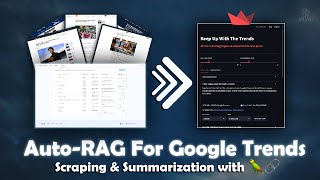
RAG with Llama 3.1 for Google Trends Data Scraping and Summarization - Streamlit Web App
Discover how to build a RAG pipeline using LLaMA 3.1 to automate article discovery and summarization based on Google Trends, showcased in a Streamlit web app for efficient content curation.

How to Significantly Enhance YOLOv8 with SAHI
Learn to boost YOLOv8's object detection using SAHI library. From installation to implementation, discover how to perform sliced predictions, visualize results, and compare performance with standard YOLOv8 for improved computer vision projects.

Detecting Bone Fractures Using Deep Learning and YOLOv8 - Object Detection Tutorial
Implement object detection for bone fractures using YOLOv8 and Python. Learn to load models, process images, and visualize predictions with hands-on coding examples.
Prompting for Code Generation - Leveraging LLMs for Efficient Programming
Learn to leverage AI for efficient code generation using OpenAI's LLMs. Explore practical examples, from simple Fibonacci sequences to complex neural networks, and discover how to integrate AI tools into your programming workflow.

Lightning Fast Builds - 6 AI Chat Apps in 15 Minutes Using Cursor IDE
Rapidly build 6 AI-powered chat applications using Cursor IDE, exploring various frameworks and integrating multiple language models for enhanced functionality.

Getting JSON Output from Gemini
Explore techniques for generating structured JSON outputs with Gemini API, including image-based JSON extraction and Pydantic class integration for enhanced data handling.
CrewAI August Update: Planning Steps, Training, and Advanced Features - Explained
Explore CrewAI's latest updates: enhanced planning, agent training, and advanced features for improved AI performance. Practical demo and code examples included.
The Truth About Learning Python in 2024 - Career Insights and Market Trends
Explore Python's relevance in 2024: career prospects, industry trends, and strategies to stay competitive in the evolving tech landscape.

Create a Local Python AI Chatbot Using Ollama
Learn to create a local Python AI chatbot using Ollama, running Llama3 model without subscriptions. Includes setup, implementation, and a full script for a functional chatbot.
How to Learn Python in 2024 - A Step-by-Step Guide for Beginners
Discover an updated approach to learning Python in 2024, focusing on practical steps, modern resources, and effective strategies to accelerate your programming journey.
Build a Python Website in 15 Minutes with Streamlit
Learn to create interactive Python websites rapidly using Streamlit. Build data dashboards and user interfaces effortlessly in this hands-on tutorial for beginners and experienced developers alike.

A Python Developer's Guide to AI in 2024
Comprehensive guide for Python developers on AI trends in 2024, covering machine learning, neural networks, computer vision, LLMs, RAG, and AI agents.

10 Python Functions to Simplify Your Life
Discover 10 Python functions to streamline your coding, from pprint for better output formatting to dataclasses for simplified object creation, enhancing efficiency and readability.