NetworkX Visualization Powered by Bokeh
Interactive network visualization using NetworkX and Bokeh in Jupyter Notebooks. Learn to create, manipulate, and update network structures with Python, enhancing data exploration and analysis of social networks.
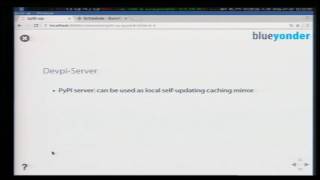
Split Up! Fighting the Monolith
Strategies for breaking down monolithic applications into manageable components, addressing dependency challenges, and improving code flexibility and maintainability.

3D Modeling and Printing by Python
Learn to create 3D models for printing using Python APIs in popular software like Blender and Fusion 360. Explore basic concepts, practical tips, and real-world project examples for generating 3D models programmatically.
How Can Machine Learning Help to Predict Changes in Size of Atlantic Herring
Explore machine learning techniques to predict Atlantic herring size changes using environmental and fishing data, with implications for conservation and sustainable fisheries management.
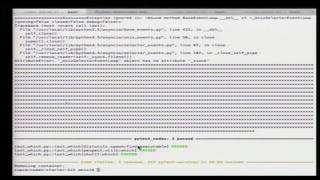
Test-Driven Code Search and Reuse Coming to Python with Pytest-Nodev
Explore test-driven reuse strategy and pytest-nodev, a search engine for Python code. Learn to efficiently find and reuse code based on behavior and semantics rather than keywords.
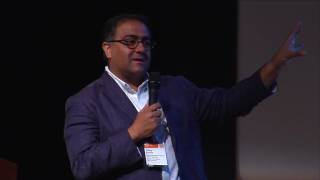
A Gentle Introduction to Neural Networks - with Python
Explore neural networks and create your own using Python. Learn about AI challenges, biologically-inspired networks, training methods, and achieve 97.5% accuracy in recognizing handwritten numbers.
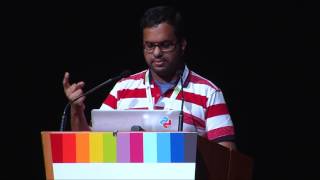
Machine Learning - Power of Ensembles
Explore ensemble methods in machine learning, combining diverse models for improved accuracy. Learn bagging, boosting, and stacking techniques with real-world examples and practical insights.
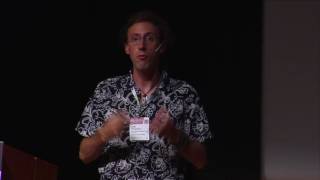
Scientist Meets Web Dev - How Python Became the Language of Data
Explore Python's evolution as a data science powerhouse, blending scientific computing with web development. Learn how this versatile language empowers researchers and analysts to tackle complex data challenges.
CFFI - Calling C from Python
Learn to call C libraries from Python using CFFI, a simpler alternative to C extension modules. Explore its advantages, including cross-implementation compatibility and direct C access, with practical demos and examples.
A Python for Future Generations
Explore Python's evolution, interpreter challenges, and potential future improvements, drawing insights from JavaScript and Rust ecosystems to enhance language design and functionality.
Testing Microcontroller Firmware with Python
Learn to create integration tests for microcontroller firmware using Python and CFFI, enabling faster execution and advanced security testing without requiring target hardware.
Python REST Frameworks Review
Comprehensive review of Python REST frameworks, comparing popular libraries for building RESTful web applications. Includes code examples, strengths, and weaknesses to help developers choose the best option for their needs.
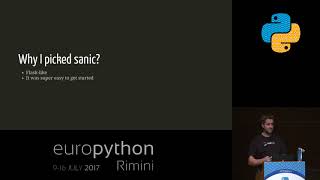
Async Web Apps with Sanic
Explore Sanic, a Python 3 web framework for async request handling. Learn its API, unique features like websockets and HTTP2 support, and compare it with other options.
Django, Django Rest Framework and Angular2 - RAD on SaaS Platforms
Explore rapid web application development using Django, Django Rest Framework, and Angular2. Learn about metadata changes, backend elements, and front-end tools for efficient SaaS platform development.
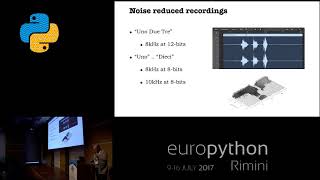
Building a Real-Time Embedded Audio Sampling Application with MicroPython
Explore real-time embedded audio sampling using MicroPython on the pyboard. Learn design, testing, and implementation of a voice recording and playback system for practical applications.

Python Microservices
Explore Python microservices: core concepts, benefits, implementation options, and challenges. Learn to build scalable, maintainable web applications with practical code examples.
Front-End Testing with Python
Explore Python-based front-end testing techniques using Selenium and Needle. Learn best practices for browser automation, visual regression testing, and concurrent test execution.
MicroPython Workshop
Hands-on workshop for programming ESP8266 boards with MicroPython. Learn to control LEDs, servos, sensors, and communicate via HTTP/MQTT. No prior electronics experience needed.
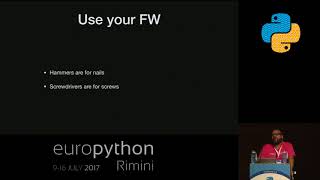
Django Rest Framework, One Year After - Tips, Tools, Tricks and Pitfalls
Insights and lessons learned from a year of using Django Rest Framework in a startup environment, covering advantages, tradeoffs, pitfalls, and practical tips for developers.
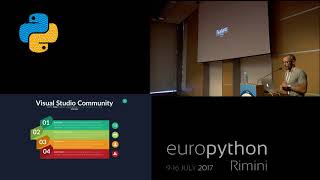
Python on Windows, Like a Boss
Discover how to enhance Python development on Windows using Visual Studio's powerful tools for managing environments, writing code, and debugging - all for free.
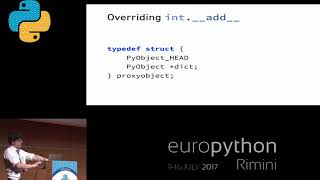
Monkey-Patching CPython with Ctypes to Conform to Party Doctrine
Explore CPython internals by modifying integer addition at runtime using only Python and ctypes. Gain insights into Python's data model, compilation, and execution process.