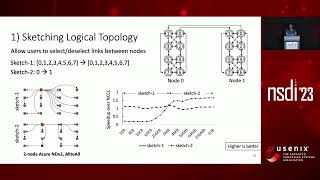
TACCL - Guiding Collective Algorithm Synthesis Using Communication Sketches
Innovative tool for synthesizing efficient communication algorithms in multi-GPU machine learning, outperforming NCCL and accelerating model training across various hardware configurations.
Improving Android Build Performance
Optimize Android build performance with Gradle: identify bottlenecks, fix common issues, and leverage incremental processing for faster, more efficient development workflows.
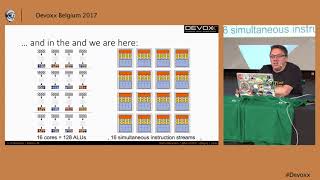
Java on the GPU - Where Are We Now?
Explore GPU utilization in Java, covering OpenGL, CUDA, and OpenCL for massive computations. Learn advantages and drawbacks of GPU computing in desktop and cloud environments.
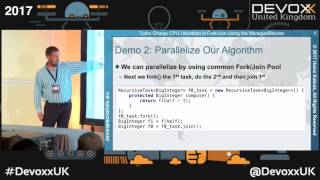
Turbo Charge CPU Utilization in Fork - Join Using the ManagedBlocker
Optimize Fork/Join CPU usage with ManagedBlocker: Learn to implement reserved caching, reduce wasted cycles, and maintain parallelism in recursive decomposition algorithms.
Mnemosyne - A Distributed Bitmapped Indexing Layer for Big Data
Explore building a distributed indexing layer for big data, covering design principles, data ingestion, storage, modeling, and in-memory computing techniques for scalable, real-time querying.
Java and GPU - Are We Nearly There Yet?
Explore recent and proposed JDK features enabling Java-GPU collaboration, offering insights into the future of GPGPU in Java development.
Mutation Testing in Python
Explore mutation testing in Python to validate test suites, detect unnecessary code, and improve coverage analysis. Learn about algorithms, mutations, and tools like Cosmic Ray for enhancing software quality.
Solving Classical Data Analytic Task by Using Modern Distributed Databases
Explore modern distributed databases for efficient data analytics, overcoming NoSQL limitations and Hadoop performance issues. Learn about fast parallel query engines and their applications.
Array Thinking Escaping The Groove
Explore array programming concepts from APL and J languages to enhance parallelization and improve coding efficiency. Learn alternative approaches to traditional loops and branching.
Liquid Metal - Taming Heterogeneity
Explore IBM's Liquid Metal project for heterogeneous computing, unifying parallel programming paradigms and simplifying development for multicores, GPUs, and FPGAs.
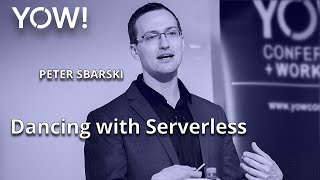
Dancing with Serverless
Explore serverless architecture evolution, benefits, challenges, and modern approaches. Learn from real-world experiences and discover innovative solutions for building scalable, efficient cloud-native applications.
Open Source Graphics 101 - Getting Started
Explore GPU concepts, graphics APIs, and open-source stack Mesa. Learn about pipeline stages, shaders, and parallel computing for a comprehensive introduction to graphics programming.

Supercomputing Spotlights - Supercomputing Software for Moore and Beyond
Explore supercomputing software evolution, data locality challenges, and innovative solutions for post-Moore era. Learn about multicore architectures, heterogeneous computing, and emerging trends in high-performance computing.
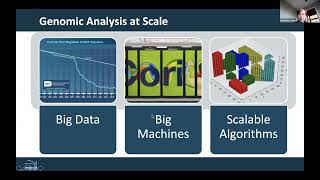
Genomic Analysis at Scale - Mapping Irregular Computations to Advanced Architectures
Explore genomic data analysis at scale, covering parallel algorithms, architectures, and programming models for efficient processing of large-scale genomic datasets on advanced computing systems.
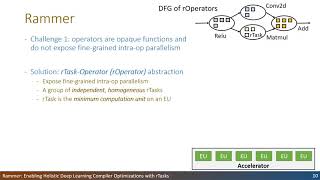
Rammer - Enabling Holistic Deep Learning Compiler Optimizations with rTasks
Optimizing DNN computation on hardware accelerators through novel abstractions and holistic scheduling, achieving significant performance improvements over existing compilers and libraries.
Harvest the Power of the GPU for Awesome Special Effects
Explore GPU-powered graphics with OpenGL shaders in Python using the Arcade library. Learn shader basics, integration, and create stunning visual effects.

Haxe - An Understated Powerhouse for Software Development
Explore Haxe's versatility in software development, from GPU programming to cross-platform solutions. Learn its unique features, real-world applications, and potential drawbacks in this comprehensive overview.
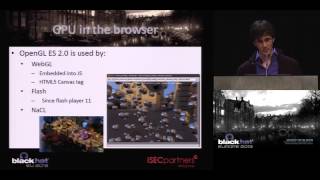
Harnessing GPUs - Building Better Browser Based Botnets
Explore browser-based botnets using GPUs for powerful computations. Learn about XSS, HTML5, and WebGL techniques to create efficient, cross-platform botnets capable of breaking strong encryption and impacting cybersecurity.
Trace Me a River - Computing Stuff on GPU Using Rust
Explore GPU programming with Rust, uncovering the differences between GPUs and CPUs. Learn how to leverage GPU capabilities for efficient computing beyond image rendering.
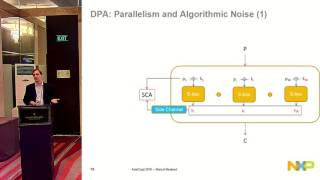
Unknown-Input Attacks in the Parallel Setting - Improving the Security of the
Explore advanced cryptographic techniques for enhancing security against unknown-input attacks in parallel settings, with insights from leading researchers in the field.
Flor - An Open High Performance RDMA Framework Over Heterogeneous RNICs
Explore Flor, an innovative framework enabling high-performance RDMA across diverse network interface cards, addressing bandwidth imbalances and enhancing datacenter application efficiency.