World War I Poetry in England - Modern Poetry
Explore WWI English poetry through analysis of works by Owen, Hardy, Thomas, Sassoon, and Rosenberg. Examine war rhetoric, propaganda, and the relationship between home front and battle front.
Langston Hughes and African-American Experience in Modern Poetry - Lecture 15
Explore Langston Hughes' poetry as a representation of African-American experience, examining his innovative use of musical forms and his place within the modernist canon.
Marianne Moore's Poetry: Quotation, Restraint, and Modernist Relationships - Lecture 18
Explore Marianne Moore's innovative poetry, focusing on her use of quotation, reticence, and restraint. Analyze key poems and examine Moore's relationships with other modernist poets.
Modern Poetry - Elizabeth Bishop and Modernist Perspectives - Lecture 25
Explore modernist poetry's role in addressing alienation and fostering community through Bishop's works and connections to other poets. Gain insights into poetry's power to renew human connection.
The Early Middle Ages, 284-1000 - The Splendor of Byzantium
Explore the Byzantine Empire's evolution from 284-1000 CE, covering expansion under Justinian, periods of crisis and contraction, military reorganization, religious conflicts, and territorial gains.
The Early Middle Ages, 284-1000 - The Crucial Seventh Century
Explore the pivotal 7th century in medieval history, examining the Abbasid decline, rise of Islam, changes in Europe and Byzantium, and the Pirenne thesis on Mediterranean disruption.
Islamic Conquests and Civil War - Early Middle Ages, 284-1000
Explore Islamic conquests, their rapid expansion, and internal divisions. Understand factors behind Arab success and the origins of Sunni-Shiite split in early Muslim history.
Mohammed and the Arab Conquests - Early Middle Ages
Explore the origins of Islam, Mohammed's life, and early Islamic development in the context of 7th century Arabia, including key beliefs and its differentiation from other religions.
Clovis and the Franks - Gregory of Tours' Account of Early Medieval History
Explore Gregory of Tours' account of Merovingian kings, focusing on Clovis' rise to power, the Franks' Catholic conversion, and the supernatural's role in early medieval history.
Barbarian Kingdoms in the Early Middle Ages - Lecture 7
Explore the rise of barbarian kingdoms after the fall of Western Rome, their characteristics, and impact on European society during the Early Middle Ages.
St. Augustine's Confessions - Early Christianity and Roman Empire
Explore Augustine's Confessions: evil, sin, and grace in early Christianity. Insights into Late Antiquity intellectual life and Christianity's impact on the Roman Empire.
Don Quixote - Front Matter and Chapters I-X Analysis
Explora el impacto literario de Don Quijote, su innovación como primera novela y el prólogo de Cervantes, analizando la creación literaria y su efecto en los lectores.
Demographic Transition in Europe - Global Problems of Population Growth
Explore Europe's demographic shift: from marriage-controlled fertility to individual choice, rapid population growth, and increased life expectancy, reshaping societal norms and human experiences.

Population in Modern China - Global Problems of Population Growth
Explore China's population dynamics, from traditional family structures to modern policies, examining historical, economic, and social factors shaping demographic trends and government interventions.
From Ape to Human - Evolution of Violence and Fertility
Explore human violence, warfare, and fertility patterns throughout history, comparing them to other great apes and examining their impact on population growth and societal development.
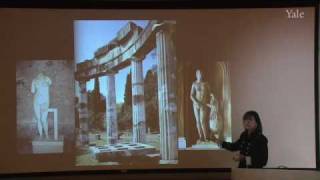
Rome and a Villa - Hadrian's Pantheon and Tivoli Retreat
Explore Hadrian's architectural legacy in Rome, from the innovative Pantheon to his sprawling villa at Tivoli, showcasing the emperor's vision and influence on Roman design.

Civic Life Interrupted: Pompeii's Architecture and Fate on August 24, A.D. 79
Explore Pompeii's ancient architecture and daily life, from public buildings to bakeries, culminating in a poignant account of the city's fate during Vesuvius' eruption in 79 AD.
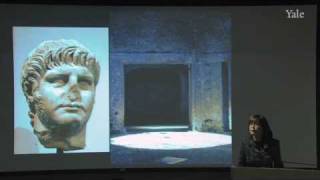
Notorious Nero and His Amazing Architectural Legacy - Roman Architecture
Explore Julio-Claudian emperors' architectural legacy, from Tiberius' Villa Jovis to Nero's innovative Domus Aurea, showcasing evolving Roman building techniques and the shift towards emphasizing interior spaces.

The Roman Way of Life and Death at Ostia - The Port of Rome
Explore ancient Ostia's architecture, from public spaces to residential buildings, revealing Roman life through exposed brick designs, mosaics, and evolving housing styles at Rome's bustling port city.
Marx and Schumpeter on Capitalism's Dynamic Nature - Lecture 4
Explore Marx and Schumpeter's theories on capitalism's constant evolution, critiquing Marxist ideas and examining creative destruction through historical examples of technological revolutions.
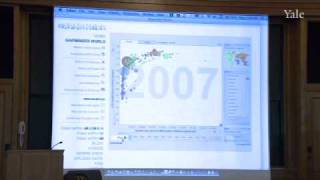
Thomas Malthus and the Theory of Inevitable Poverty - Lecture 2
Explore global economic development, demographic transitions, and their impact on poverty. Analyze Malthus' theories and modern perspectives on population growth and economic progress.