Mathematical Games - History and Science of the Manhattan Project and Oppenheimer Movie
Explore the mathematical and scientific legacy of key figures from the Manhattan Project and Oppenheimer movie, highlighting their enduring impact on modern technology.
The History of Computer Art
Explore the evolution of computer art from 1960s LSD-fueled hacking to modern digital galleries, discovering how programming transformed into a powerful medium for artistic expression and creativity.

Minecraft Clone in C++ - Code Review and Optimization
Explore a Minecraft clone in C++, covering project structure, code organization, math concepts, ray casting, and shader techniques. Gain insights into game development practices.

Getting Started with the FPS Sample - Unity 2018.3
Explore Unity's FPS Sample project: learn advanced features, extract assets, and kickstart your multiplayer game development with this comprehensive walkthrough and demonstration.
The End of General Purpose Languages: Rubinius 3.0 and the Next 10 Million Programs
Explore the future of programming languages and system development through Rubinius 3.0, emphasizing specialized languages, interoperability, and building reliable systems from unreliable components.
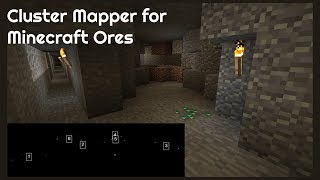
Cluster Mapper for Minecraft Ores - Python Visualization Tool
Visualize Minecraft ore locations with Python: Learn to create a 3D cluster mapper using VPython for efficient mining and exploration.
How to Make Video Games - Finishing Space Invaders - Part 7
Complete Space Invaders game development: AI implementation, collision handling, randomization, animations, sound effects, and advanced Unity techniques for polished gameplay.

How to Make a Frogger Replica in Unity - Livestream Tutorial
Learn to recreate the classic arcade game Frogger in Unity, covering movement, car mechanics, spawning, game states, scoring, and data storage in this comprehensive tutorial.
Making a Multiplayer FPS in Unity - uNet Tutorial
Learn to implement a killfeed in a multiplayer FPS using Unity's uNet system. This tutorial covers UI setup, game management, and debugging for an enhanced multiplayer experience.
Making a Multiplayer FPS in Unity - User Accounts - uNet Tutorial
Learn to implement a user account system with registration and login functionality in a multiplayer FPS game using Unity's uNet and Database Control. Enhance your game development skills.
Making a Multiplayer FPS in Unity - uNet Tutorial
Learn to implement player respawn in a multiplayer FPS using Unity's uNet system. Covers RPC methods, damage handling, and match settings for seamless multiplayer gameplay.
Making a Multiplayer FPS in Unity - Shooting - uNet Tutorial
Implement shooting mechanics in a multiplayer FPS using Unity's uNet system. Learn raycasting, player setup, and player identification for networked gameplay.
Pacman Game Tutorial with JavaScript and HTML5 Canvas
Build a Pacman-style game using JavaScript and HTML5 Canvas. Learn to create boundaries, implement movement, add collision detection, generate pellets, create ghosts, and include power-ups and win conditions.
Tilemap Graphics on the Gameboy and Gameboy Color - GB Z80 Assembly Lesson 9
Learn to display text and bitmaps on Gameboy/Gameboy Color screens using tilemaps in GB Z80 assembly. Covers memory layout, commands, and tile manipulation techniques.
Learn 65C02 and 6280 Assembly for Retro Consoles - Lesson A1
Learn advanced 65C02 and 6280 assembly programming for retro game development, covering special commands, memory management, and bit-level operations for various 8-bit systems.
Splitscreen Scrolling and Sprite 0 Hit on the NES - Lesson P43
Explore splitscreen scrolling and Sprite 0 Hit techniques for NES game development, including line IRQ interrupts and midscreen scroll changes for advanced visual effects.
Code-It-Yourself: Retro Arcade Racing Game in C++
Learn to create a retro arcade racing game using simple C++ and math, covering track design, car mechanics, and game logic in this hands-on programming tutorial.
Creating Your First Person Shooter Game in Unreal Engine 5 - UE5 Beginner Tutorial
Learn to create a first-person shooter in Unreal Engine 5, covering character mechanics, AI guards, gameplay elements, and level design. Gain hands-on experience with Blueprints and essential FPS features.
Pong Clone in C++ - Code Review
Learn to create a Pong clone in C++ with expert guidance. Gain insights into game development techniques and best practices through a detailed code review.
3D Game Programming - Rendering Walls - Episode 19
Learn to render walls in 3D game development using Java 1.6. This tutorial covers essential techniques for creating immersive environments in first-person shooter games.
3D Game Programming - Walking, Crouching, Sprinting and More - Episode 16
Learn to implement walking, crouching, jumping, and sprinting mechanics in a 3D Java game from scratch, enhancing player movement and interaction within the game world.