Social Impacts of Climate Change and Climate Variability
Explore climate change's social impacts, from carbon costs to disaster effects, through diverse topics like tropical cyclones, electricity consumption, and seasonal influenza.
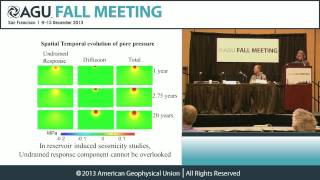
The Risks of Human-Induced Earthquakes
Explore the risks and sources of human-induced earthquakes, including reservoirs, fracking, and mining. Learn about the largest seismic events caused by human activities.
Anti-Racism Efforts in the Geosciences
Explores anti-racism efforts in geosciences, analyzing calls for action and fostering discussions to promote equity and inclusivity in the field. Provides strategies for implementing change.
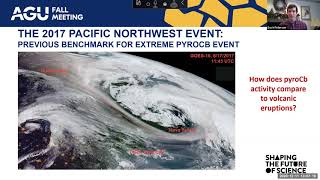
Wildfire-Driven Thunderstorms and Their Role in Climate
Explore pyrocumulonimbus clouds from wildfires, their impact on climate, and global comparisons. Learn about smoke behavior, atmospheric effects, and implications for weather patterns.
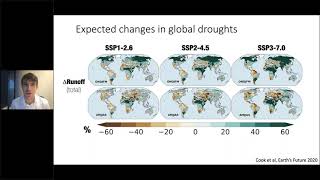
Frontiers in Hydroclimate Change
Explore frontiers in hydroclimate change with insights on droughts, floods, and their impacts. Learn about advanced modeling techniques and interdisciplinary approaches in hydrology.
The Science and Ethics of Ocean-Based Carbon Dioxide Removal
Explore ocean-based carbon dioxide removal strategies and the scientific code of conduct guiding research into their durability and scalability for climate solutions.
Storied Careers - Gaining a Footing in Landslide Science
Explore landslide science with USGS geologist Richard Iverson, from innovative research methods to real-world applications in detection, measurement, and prevention of these dynamic natural phenomena.
Ice - Glacier Tourism on Thin Ice
Explore the impact of climate change on glaciers and the evolving landscape of glacier tourism with insights from glaciologist Heather Purdie on adaptation and future prospects.
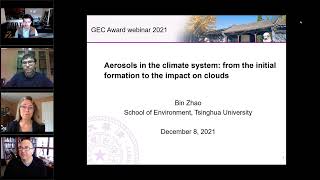
Global Environmental Change Section Early-Career & Mid-Career Award Lecture - II
Exploración de los impactos de los aerosoles en la salud y el clima, mecanismos de formación de partículas, y dinámica del carbono en suelos y bosques. Análisis de modelos climáticos y observaciones para comprender mejor estos procesos ambientales comple…
Spectrum Policy, 5G, and Environmental Satellites - A Risky Mix for the Earth Science Community?
Experts discuss 5G deployment's impact on weather forecasting, environmental satellites, and Earth science, exploring challenges and actions for the scientific community moving forward.
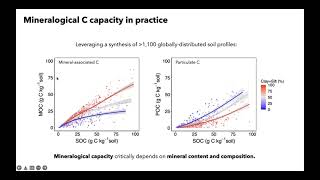
Soil Carbon Saturation - Do Soils Have a Carbon Storage Limit, and If So, What Controls It?
Explore soil carbon sequestration, focusing on storage limits and controlling factors. Experts discuss mineral association, saturation concepts, and management implications for effective carbon storage in soils.
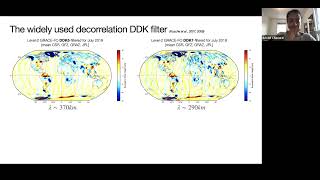
Geodetic Signature of Continental Hydrology
Explore geodetic techniques for studying continental hydrology, including GRACE missions, data filtering methods, and applications to aquifer systems and groundwater monitoring.
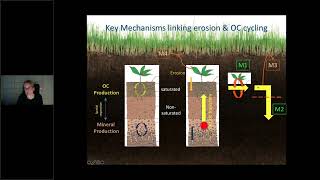
What Is the Role of Erosion in Soil Carbon Sequestration?
Explore erosion's impact on soil carbon sequestration, from global perspectives to US Midwest case studies. Learn about mechanisms, controversies, and management practices for effective carbon storage in working lands.
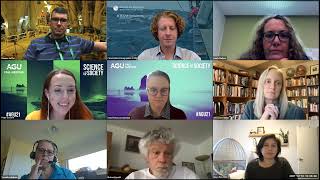
Borehole Observatory Networks - Taking the Pulse of Earthquake Generating Faults
Explore borehole observatories monitoring subduction zones, their role in understanding earthquake cycles, and implications for hazard forecasting and slow slip events in Japan and New Zealand.
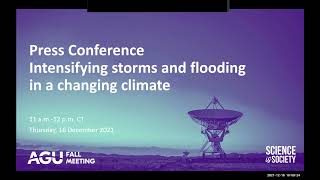
Intensifying Storms and Flooding in a Changing Climate
Experts discuss climate change's impact on storm intensity, rainfall, and flooding. Insights on hurricane intensification, data collection, and population displacement due to extreme weather events.
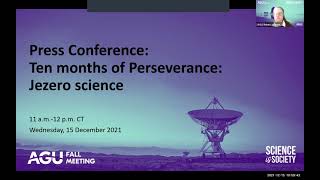
Ten Months of Perseverance - Jezero Science
Exploring Perseverance's discoveries on Mars: Jezero crater floor, Séítah geologic unit, and future plans for the ancient river delta. Insights into Mars' geological history and potential for past life.
Scientists Mine 16th Century Ship Logs for Geophysical Research
Explore how historical ship logs from the Age of Sail provide crucial data for mapping Earth's magnetic field over the past 400 years, blending maritime history with modern geophysical research.
Conversations About Career Paths for Atmospheric Scientists in the Private Sector
Explore diverse private sector careers for atmospheric scientists, featuring insights from industry professionals on work environments, responsibilities, and transitioning from academia.
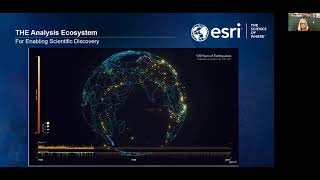
Earth Science Research Methods - Protecting Our Planet
Explore cutting-edge technologies and analytical methods in Earth sciences to address global challenges like climate change, pollution, and ecosystem degradation for the benefit of humanity.
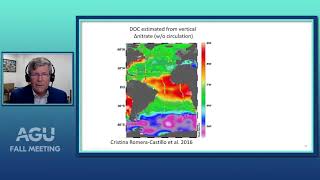
Oceanic Dissolved Organic Carbon - The World Tour
Explore the dynamics of oceanic dissolved organic carbon, a major carbon reservoir, through global observations and data analysis. Uncover sources, sinks, and controls across ocean basins.
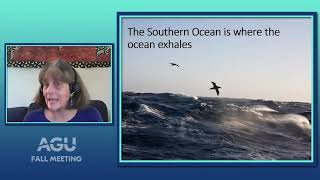
The Southern Ocean’s Role in Glacial Cycles - Engine Not Caboose?
Explore the Southern Ocean's critical role in Earth's climate engine and glacial cycles through multiple proxies, focusing on its impact on atmospheric CO2 levels and ocean dynamics.