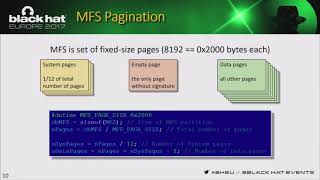
Intel ME - Flash File System Explained
Detailed explanation of Intel Management Engine's flash file system, covering storage methods, supported file systems, and security features in ME 11.x.
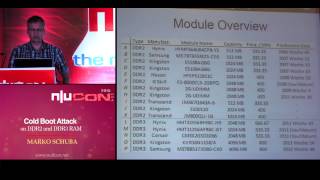
Cold Boot Attack on DDR2 and DDR3 RAM
Explore cold boot attacks on DDR2 and DDR3 RAM, revealing vulnerabilities in data retention after power loss. Learn techniques, results, and mitigation strategies for this cybersecurity threat.
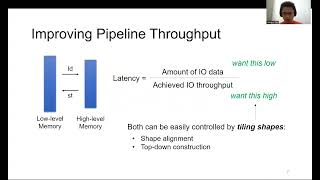
ROLLER - Fast and Efficient Tensor Compilation for Deep Learning
Introduces ROLLER, a fast tensor compilation approach for deep learning using rTile abstraction and recursive construction, generating efficient kernels in seconds for various accelerators.
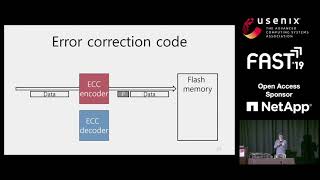
Design Tradeoffs for SSD Reliability
Explores design tradeoffs in SSD reliability techniques, proposing a holistic management scheme for balancing performance, reliability, and lifetime across various workloads and wear states.
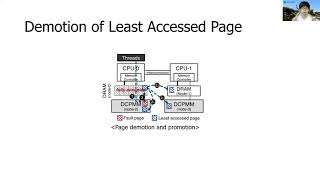
Exploring the Design Space of Page Management for Multi-Tiered Memory Systems
Explores page management strategies for multi-tiered memory systems, analyzing access locality and tier importance to optimize performance in DRAM and SCM configurations.
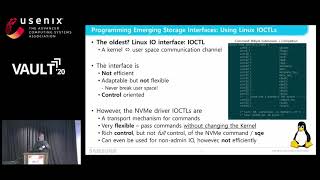
Programming Emerging Storage Interfaces
Explore xNVMe, a user-space library simplifying I/O submission for emerging storage interfaces like NVMe KV and ZNS namespaces, addressing memory constraints and providing a unified API for various I/O engines.

Bootstrapping Systems With Open Source Firmware
Explore open-source firmware for enhanced physical security and data protection. Learn about Heads, a custom firmware and OS configuration that combines hardware hardening with secure boot processes.
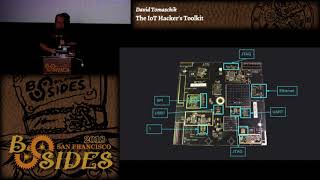
The IoT Hacker's Toolkit
Explore essential hardware and software tools for IoT security assessment, covering interfaces, analysis techniques, and skill-building for embedded device evaluation.
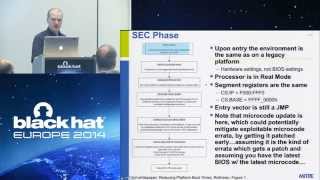
Analyzing UEFI BIOSes from Attacker & Defender Viewpoints
Explore UEFI BIOS analysis from attacker and defender perspectives, covering key concepts like UEFI boot phases, firmware storage, and security implications for effective reverse engineering of modern PC firmware.
Reverse Engineering Flash Memory for Fun and Benefit
Explore Flash memory reverse engineering techniques, including direct interaction, reprogramming, and file system analysis. Learn to handle meta information, deal with bad blocks, and leverage journaling file systems for deeper insights.

How Your DRAM Becomes a Security Problem
Explore DRAM security vulnerabilities and side-channel attacks targeting row buffers, with implications for various devices and systems regardless of software or OS.
Dirty Bin Cache - A New Code Injection Poisoning Binary Translation Cache
Uncover a novel code injection vulnerability in Rosetta 2, exploring its impact on Apple Silicon Macs and discussing potential security implications for binary translation caches.
Mythbusting Modern Hardware to Gain Mechanical Sympathy
Demystifying modern hardware components for developers to optimize software performance, covering CPUs, memory, networking, and storage I/O.
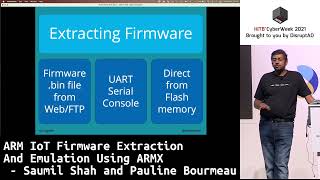
ARM IoT Firmware Extraction and Emulation Using ARMX
Hands-on workshop on extracting and emulating ARM IoT firmware using ARMX. Covers firmware extraction, unpacking, file system analysis, and device emulation. Practical experience with real IoT devices and tools.
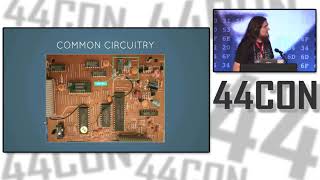
Saving Nostalgia - Modding an Old Z80 Computer
Explore the process of reverse engineering and modding a vintage VTech computer to add save functionality, preserving childhood nostalgia while enhancing its capabilities.
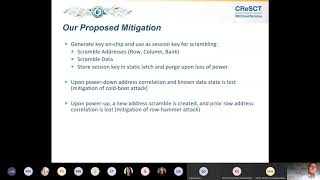
On-Chip Randomization for Memory Protection Against Hardware Supply Chain Attacks to DRAM
Explore innovative techniques for safeguarding DRAM against hardware supply chain attacks through on-chip randomization, enhancing memory protection in modern computing systems.
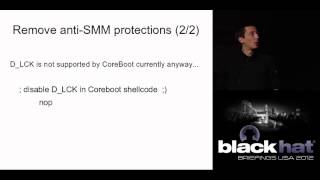
Hardware Backdooring is Practical
Explores hardware backdooring through Rakshasa malware, demonstrating permanent BIOS infection, NX bit disabling, and security lowering across various motherboards using open-source components like Coreboot.
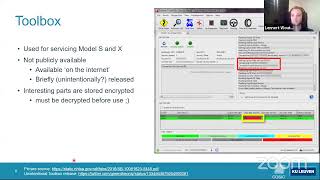
Hardware
Explore hardware security challenges and solutions in cryptographic implementations, focusing on side-channel attacks and countermeasures.
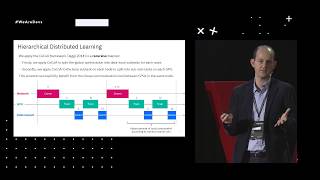
Snap ML - A Highly-Accelerated, Scalable Software Library for Machine Learning
Discover Snap ML, a high-performance framework for training generalized linear models. Learn about its GPU acceleration, pipelining, and distributed computing capabilities for faster machine learning on large-scale datasets.

Overcoming the Memory Wall with CXL-Enabled SSDs
Explores using flash memory with CXL to overcome memory limitations. Discusses design, caching, and prefetching techniques to enhance performance and longevity of CXL-enabled flash devices.
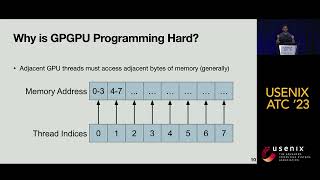
VectorVisor - A Binary Translation Scheme for Throughput-Oriented GPU Acceleration
Explore VectorVisor, a novel GPU acceleration approach for server-side applications, offering improved throughput and cost-efficiency through vectorized binary translation and CPU thread emulation.