Cameras in Embedded Systems - Device Tree and ACPI Implementation
Explore camera integration in embedded systems using Device Tree and ACPI, covering V4L2 framework, media controllers, and driver implementation for sensors, ISPs, and flashes.
GPIO for Engineers and Makers - Recent Developments and Future Directions
Explore GPIO subsystem changes, including descriptor refactoring, open drain support, and new userspace character device ABI. Learn about hardware descriptions, industrial control applications, and future directions.
Compound Interest - Dealing with Two Decades of Technical Debt in Embedded Linux
Explore strategies for managing technical debt in the GPIO subsystem of the Linux kernel, focusing on improvements in serialization, hot-pluggability, and API optimization while maintaining legacy support.
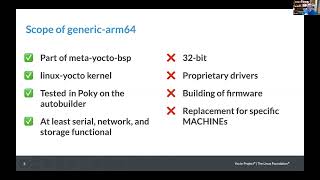
Generic ARM64 for Yocto Project Hardware Reference
Explore the new generic-arm64 OS image for Yocto Project, designed to work on ARM64 hardware implementing the Arm SystemReady specification, bringing ARM64 to parity with generic x86-64.
Booting Over NVMe/TCP Transport Using UEFI Implementation
Discover how to implement network-based OS booting using NVMe/TCP transport, exploring the new NVM Express Boot Specification and its integration with UEFI for standardized multi-vendor deployments.
A New CPU Frequency Control Mechanism on Linux
Explore AMD's new fine-grain CPU frequency control mechanism for Linux, improving power efficiency on Zen2+ processors. Learn design, implementation, and future optimizations.
Cameras, Devicetree and ACPI: A Device Driver Perspective
Explore integrated camera hardware, comparing USB cameras with component-based systems. Learn about firmware interfaces, device drivers, and system complexities for digital cameras.
Implementing sync_state() and Handoff for Common Clock Framework
Exploring challenges and solutions for implementing sync_state()/handoff in the common clk framework to maintain enabled clocks during Linux boot, focusing on display splash screens and edge cases.
Persistent Memory Usage within Linux Environment
Explore persistent memory usage in Linux, covering hardware, software, programming models, and applications. Learn about NVML library and its impact on system performance and data handling.
Intel Trusted Domain Extensions (TDX) Host Kernel Support
Explore Intel's TDX Host Kernel Support: module initialization, memory management, and interactions with CPU/memory hotplug and kexec(). Learn about protecting guest VMs from malicious hosts and physical attacks.
AP Power Sequence Subsystem in Zephyr
Explore Zephyr's API for managing ACPI power states in connected application processors. Learn about state machine framework, hierarchical levels, and utility functions for efficient power management.
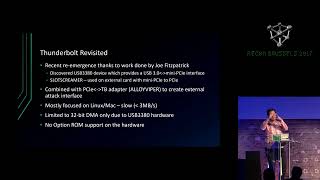
Getting Physical with USB Type-C - Windows 10 RAM Forensics and UEFI Attacks
Explore embedded microcontrollers in modern devices, focusing on the Surface Aggregator Module. Learn about security, firmware updates, and potential hardware implants in this deep dive into low-level system architecture.
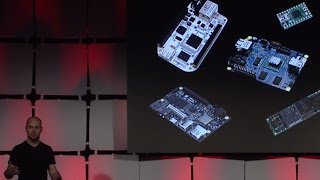
Defending, Detecting, and Responding to Hardware and Firmware Attacks - Teddy Reed - USENIX Enigma Conference - 2016
Explore firmware security, attack surfaces, and defense strategies. Learn to detect vulnerabilities, monitor integrity, and implement deep systems defense for enterprise protection against hardware and firmware attacks.
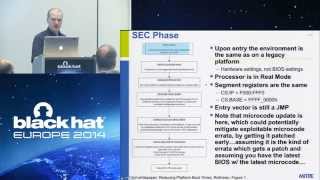
Analyzing UEFI BIOSes from Attacker & Defender Viewpoints
Explore UEFI BIOS analysis from attacker and defender perspectives, covering key concepts like UEFI boot phases, firmware storage, and security implications for effective reverse engineering of modern PC firmware.
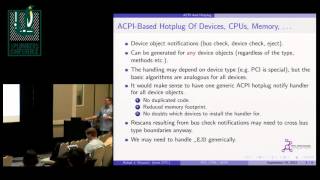
ACPI-based Hotplug of PCI and Other Devices
Explore ACPI-based hotplug for PCI and other devices, covering recent advancements, consolidated approaches, and challenges in supporting complex scenarios like CPU package and PCI bus segment manipulation.
ACPI vs DT
Comparison of ACPI and Device Tree firmware approaches for hardware enumeration and configuration, discussing challenges and potential solutions for Linux kernel development.
RISC-V ACPI and UEFI Updates
Explore recent developments in RISC-V architecture, focusing on ACPI and UEFI advancements for improved system compatibility and performance.
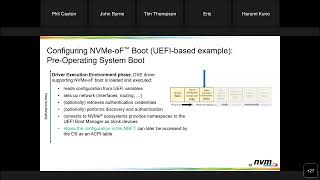
Booting Operating Systems Using NVMe Over Fabrics - Network Boot Specification
Dive into the standardized approach for booting operating systems from networked NVMe devices, exploring the NVMe Boot Specification and its integration with UEFI and ACPI protocols.

Supporting Suspend-to-Idle for Legacy Platforms
Explore techniques for implementing suspend-to-idle functionality on older hardware platforms to improve power management and system efficiency.
Booting Your OS Across the NVMe-oF Transport - NVMe Boot Specification
Dive into standardized network booting solutions using NVMe-oF transport, exploring the new NVM Express Boot Specification and its UEFI implementation for large-scale deployments.
ACPI Fast Handover for Kexec Live-Update
Explore ACPI fast handover techniques for kexec live-update, enhancing system efficiency and minimizing downtime during kernel updates.