Tales of C, the 6502 and the BBC - With Added Python
Explore the journey of creating a C compiler for the BBC Micro using Python, delving into 80s computing, assembly language, and modern programming techniques.
Firmware Security - Why It Matters and How You Can Have It
Explore firmware security's importance, vulnerabilities, and mitigation strategies. Learn about attack surfaces, System Management Mode, and ways to enhance protection in various computing environments.
Gen-Z on Linux - Supporting a New System Interconnect in Free Software
Explore Gen-Z, a versatile system interconnect, and its integration into Linux. Learn about its capabilities, implementation challenges, and current development status using a freely available emulator.
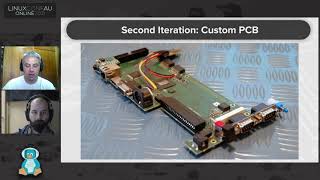
We Made a Beautiful Complete Open-Hardware Computer, Including Keyboard and Injection-Moulded Case
Discover the journey of creating a polished open-hardware computer, complete with custom keyboard and injection-molded case, inspired by the unreleased Commodore 65.

How Open Source and Open Hardware Have Changed Retro Computing
Explore the impact of open source and hardware on retro computing, from CPU replacements to firmware reviving vintage systems, blending nostalgia with modern innovation.
Under the Hood - Assembly, System Calls, and Hardware in C++
Explore assembly, system calls, and hardware in C++. Dive deep into low-level computer operations, covering x86-64/Linux, Arm, and other systems. Gain insights into the underlying mechanics of C++ programming.
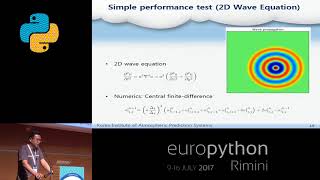
GPU Acceleration of a Global Atmospheric Model Using Python Based Multi-Platform
Explore GPU acceleration for global atmospheric models using PyMIP, a Python module integrating C, Fortran, CUDA, and OpenCL. Learn about performance improvements and multi-platform compatibility for weather forecasting and climate prediction.
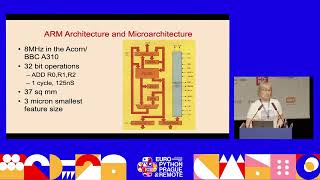
The Future of Microprocessors
Explore microprocessor history, current state, and future prospects with insights on technological advancements, industry trends, and potential innovations in computing architecture.

Modern Storage Technologies for Data Professionals
Explore cutting-edge storage technologies like Persistent Memory and NVMe, and learn how they enhance database performance. Understand storage-based data services and architectures for Big Data Clusters.
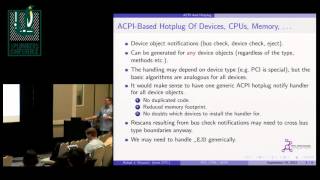
ACPI-based Hotplug of PCI and Other Devices
Explore ACPI-based hotplug for PCI and other devices, covering recent advancements, consolidated approaches, and challenges in supporting complex scenarios like CPU package and PCI bus segment manipulation.
ACPI vs DT
Comparison of ACPI and Device Tree firmware approaches for hardware enumeration and configuration, discussing challenges and potential solutions for Linux kernel development.

Finding More DRAM
Exploring techniques to optimize DRAM usage across platforms, including proactive memory reclamation and idle memory tracking, to reduce costs without impacting performance.
Compute Express Link MC
Explore Compute Express Link technology and its implications for Linux systems in this comprehensive conference session from Linux Plumbers 2022.
RISC-V ACPI and UEFI Updates
Explore recent developments in RISC-V architecture, focusing on ACPI and UEFI advancements for improved system compatibility and performance.
Open Source FPGA NVMe Accelerator Platform for BPF Driven ML Processing with Linux - Zephyr
Explore an open-source FPGA NVMe accelerator platform for BPF-driven machine learning processing, integrating Linux and Zephyr operating systems for enhanced performance and flexibility.
Production Multi-node Jobs with Gang Scheduling, K8s, GPUs and RDMA
Explore distributed execution of DL/ML jobs in Kubernetes, covering gang scheduling, GPU acceleration, and high-speed networking for improved performance and scalability.
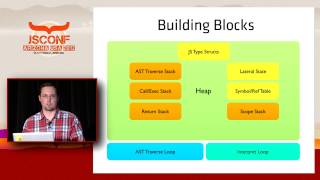
JavaScript on the GPU
Explore GPU-accelerated JavaScript programming techniques for enhanced performance and efficiency in web applications.
Monotron - Making a 80s Style Computer with a $20 Dev Kit
Recreating 80s-style computing with embedded Rust on a Cortex M4 devboard: VGA generation, text rendering, PS/2 keyboard input, and testing on modern PCs.
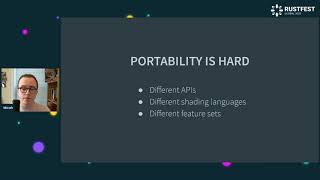
Ochre - Highly Portable GPU-Accelerated Vector Graphics
Explore GPU-accelerated vector graphics with Ochre, a Rust library designed for portability across diverse hardware. Learn about performance optimization and API design for modern user interfaces.
How Did Linux Become a Mainstream Embedded Operating System
Explore Linux's evolution from desktop to embedded systems, covering key developments, adaptations, and tools that enabled its widespread adoption in diverse devices.
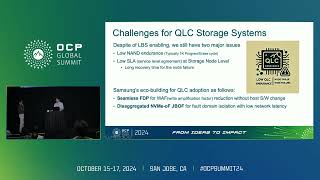
Eco Building for High-Capacity QLC SSD Solutions
Explore QLC SSD technology advancements, focusing on solutions for endurance, performance, and recovery challenges in high-capacity storage systems for big data applications.