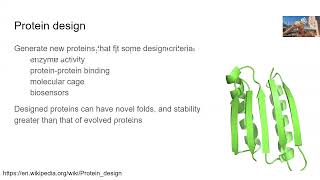
Protein Structure with Transformers - Lecture 9
Explore protein structure prediction using transformer models, uncovering advanced techniques for understanding and analyzing protein folding and interactions.
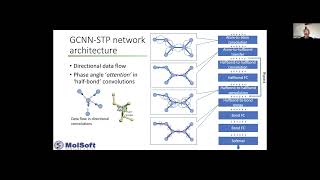
New Technologies in MolSoft ICM: Neural Networks and Beyond
Explore cutting-edge neural networks and advanced technologies in molecular modeling with MolSoft ICM, enhancing your computational chemistry capabilities.
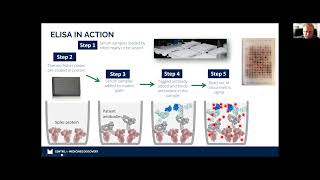
How Molsoft Scarab Helped Fight COVID-19 in the UK
Explore how Molsoft Scarab contributed to COVID-19 research in the UK, presented by Oxford's Dr. Brian Marsden at MolSoft's User Group Meeting.
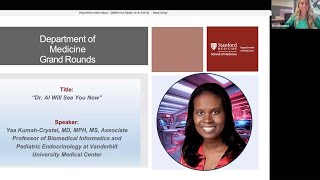
Dr. AI Will See You Now - 9 October 2024
Explore the future of AI in healthcare with experts discussing its potential impact on medical practice and patient care.
Cross-cohort Analysis via Cloud Genomics - MPG Primer
Dive into cross-cohort analysis using cloud genomics, exploring trusted research environments, methodologies, and tools for efficient genetic data processing and interpretation.
Computational Protein Design and De Novo Design of Proteins
Explore computational approaches for designing functional proteins, including surface pattern analysis and de novo topology exploration, with applications in vaccine design, T-cell therapies, and biosensors.
Stochasticity in Transcription - MPG Primer 2023
Dive into stochasticity in transcription, exploring single-cell data, dynamic regulatory elements, and transcriptional bursting in autoimmune diseases. Gain insights into modeling techniques and gene regulatory programs.

Protein Design Using Deep Learning
Dive into protein design using deep learning with David Baker. Explore cutting-edge techniques and insights at the intersection of AI and biomedical research.
Neural Optimal Transport for Inferring Single-Cell Responses to Perturbations
Explore neural optimal transport methods for predicting single-cell responses to perturbations, uncovering insights into molecular processes and treatment outcomes at unprecedented resolution.
High-Throughput In Silico Genetic Screen for 3D Genome Organization - Models, Inference and Algorithms
Explore cutting-edge approaches in 3D genome organization research, including in silico genetic screening and graph representation learning for analyzing multiscale chromatin structure.
MPG Primer: Intro to Terra - Hands on with Jupyter Notebooks in Terra - Part 2 of 3
Dive into hands-on Jupyter Notebooks in Terra with experts from the Broad Institute. Gain practical skills in medical and population genetics data analysis through interactive demonstrations and discussions.
Learning Representations for Image-Based Profiling of Perturbations - MPG Primer 2023
Dive into image-based profiling of perturbations, exploring cell painting assays, morphology profiling, and machine learning techniques for predicting compound interactions and cell phenotypes.
Clinical Interpretation of Genes and Variants for Disease Causality - MPG Primer 2022
Dive into clinical interpretation of genes and variants for disease causality with expert Heidi Rehm. Explore standardized approaches, open science, and data sharing in genomic medicine and rare disease gene discovery.
Learning Differentiation Dynamics from Lineage Tracing Datasets
Uncover robust computational approaches for inferring cell dynamics from single-cell transcriptomics integrated with lineage tracing, focusing on the CoSpar method and its applications in hematopoiesis and reprogramming.
Biomedical Science and Machine Learning - A Two-Way Street (2023)
Explore the convergence of biomedical science and machine learning, discovering how these fields synergize to address modern biological questions and drive innovations in data analysis.
Learning to Read and Write Protein Evolution
Explore protein language models and their role in understanding evolutionary rules, predicting mutation effects, and guiding artificial evolution for antibody development and novel protein structures.
The Limits of Virus Discovery and How to Overcome Them - Primer on Sequence Bioinformatics
Explore cutting-edge methods for RNA virus discovery, including ultra-high throughput cloud computing and advanced sequence homology algorithms, to uncover millions of novel viruses by 2030.
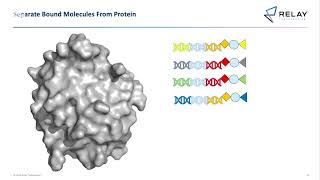
Applying Machine Learning on Drug Discovery Projects
Dive into practical applications of machine learning in drug discovery projects with insights from Relay Therapeutics' Chief Data Officer, Pat Walters.
Machine Learning in Drug Discovery - Lightning Talks
Explore cutting-edge ML applications in drug discovery through lightning talks on antibody optimization, PROTAC design, small molecule binders, and protein-fragment interactions.
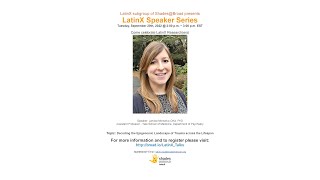
Decoding the Epigenomic Landscape of Trauma across the Lifespan
Explore the epigenomic landscape of trauma across the lifespan with Dr. Janitza Montalvo-Ortiz. Gain insights into computational approaches for studying genomics and epigenomics of neuropsychiatric disorders, focusing on trauma and substance use.
Haplotype Assembly Using Short and Long Reads - 2022
Dive into haplotype assembly techniques using short and long reads. Explore advanced bioinformatics methods for genetic analysis with insights from Ramin Shirali's research at TU Delft.