Propagator Networks for Degenerate Computation - Enhancing Software Robustness
Explore propagator networks as a robust architecture for degenerate computation, enabling software evolution, operational feedback, and language mixing, with bioinformatics examples.
Why Code in Python+C When You Can Code in Lisp+Zig
Explore the benefits of combining GNU Guile Lisp and Zig for bioinformatics, offering quick coding and high performance without fighting Rust's borrow checker.
Deep Learning for Protein Structure Prediction
Explore deep learning techniques for predicting protein structures, from traditional methods to AlphaFold's advancements. Gain insights into molecular dynamics, homology modeling, and cutting-edge AI approaches in structural biology.
Single Cell Data Integration Using Optimal Transport - 2023
Explore single-cell data integration using optimal transport. Learn unsupervised algorithms for multi-omic studies, alignment techniques, and performance quantification in computational genomics.
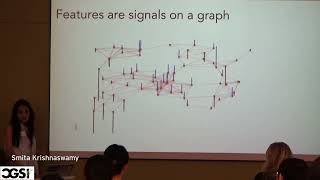
Graph and Algebraic Signal Processing Basics for Computational Biology
Explore graph and algebraic signal processing fundamentals for computational biology, covering key concepts, challenges, and applications in genomic data analysis.
Why is This So Hard? It Should Be Easy - Challenges in Computational Genomics
Explore challenges in computational genomics and learn strategies to overcome complexities in data analysis and interpretation.
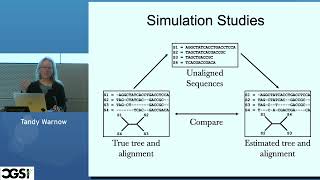
Advances in Large-Scale Multiple Sequence Alignment
Explore cutting-edge techniques in large-scale multiple sequence alignment, focusing on graph clustering, weighted consensus HMM, and phylogeny-aware methods for improved bioinformatics analysis.
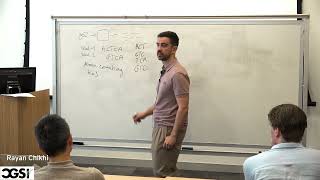
Applications of K-mers in Computational Genomics - CGSI 2024
Explore applications of k-mers in computational genomics, focusing on efficient data structures and algorithms for large-scale sequence analysis and comparison.
Biological Data Insight and Modeling with ParetoGP for Multiomics Analysis
Gain insights from multiomics data using ParetoGP, exploring key variables and generating interpretable models for cancer therapeutics and bone regeneration.
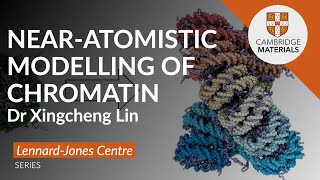
Near-atomistic Modeling of Chromatin - Insights into Structure and Dynamics
Explore near-atomistic modeling of chromatin structure, folding pathways, and sol-gel transitions. Gain insights into genome organization and chromatin behavior under various conditions.
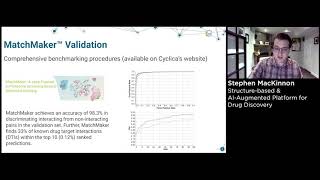
PolypharmDB: Quickly Identifying Repurposed Drug Candidates for COVID-19
Explore PolypharmDB, a deep learning-based resource for identifying repurposed drug candidates for COVID-19. Learn about accelerated drug discovery methods using existing clinical data.
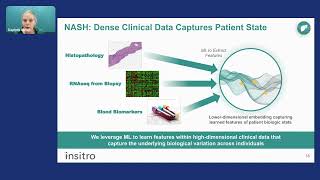
Can Data-Centric AI Help Us Develop Better Drugs?
Explore how machine learning and high-quality data can revolutionize drug development, predicting outcomes and designing safer, more effective therapies faster and at lower costs.
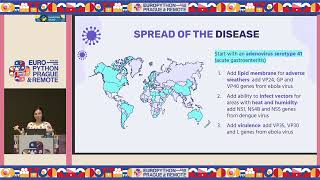
How to Destroy the World Using Python and a Synthetic Virus
Explore synthetic biology's potential to modify viruses using Python, discussing both dangerous applications and healthcare benefits. Learn basic biology and see a practical example.
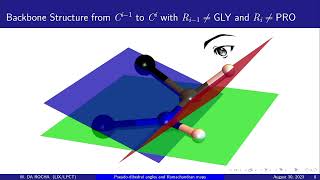
Pseudo Dihedral Angles in Proteins - A New Description of the Ramachandran Map
Explore a novel approach to protein structure analysis using pseudo dihedral angles, offering fresh insights into the Ramachandran map and its implications for protein folding.
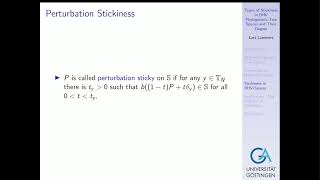
Types of Stickiness in BHV Phylogenetic Tree Spaces and Their Degree
Explore types of stickiness in BHV phylogenetic tree spaces and their degree, delving into advanced concepts in computational biology and evolutionary analysis.
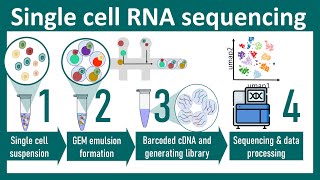
Single Cell RNA Sequencing Overview: ScRNA-seq vs Bulk Seq and Chemistry - Bio Techniques
Explore single-cell RNA sequencing: overview, comparison with bulk sequencing, chemistry, and techniques. Gain insights into this advanced genomic analysis method.
Sequence Data - Part 2
Explore advanced techniques for analyzing and interpreting sequence data, enhancing your bioinformatics skills and research capabilities.
Sequence Data - Part 1
Explore fundamental concepts and techniques for analyzing sequence data in bioinformatics, focusing on DNA and protein sequences.

Microbial Metabolism in Acidic Brines of Western Australia
Explore microbial metabolism in acidic brines of Western Australia, examining water activity limits, single-cell analysis, and implications for astrobiology and Mars analogs.
rhAmpSeq CRISPR Analysis Tool Tutorial
Learn to analyze CRISPR experiments using IDT's rhAmpSeq™ tool. Explore features for efficient data interpretation and result visualization in genome editing projects.
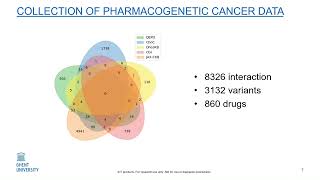
Pan-Cancer Pharmacogenetics: Targeted Sequencing Panels vs Exome Sequencing
Explore advantages of xGen Exome Panel for pan-cancer pharmacogenetics studies, comparing it to targeted panel solutions and examining variant-drug interactions.