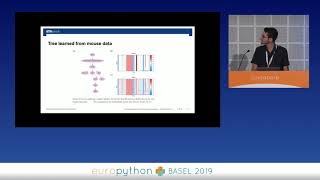
Bioinformatics Pipeline for Revealing Tumour Heterogeneity
Explore a Python-based bioinformatics pipeline for analyzing single-cell DNA sequencing data to reveal tumor heterogeneity and inform personalized cancer treatments.
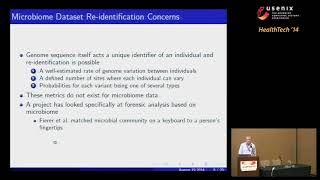
Privacy-Preserving Microbiome Sequencing Analysis and Storage Systems
Exploring privacy-preserving techniques for microbiome sequencing analysis and storage, adapting methods from human genome studies to ensure data protection while enabling valuable research.
The R Language - The Good, The Bad & The Ugly
Explores R's strengths and weaknesses as a data analysis language, discussing its unique features, statistical capabilities, and practical applications in research and bioinformatics.

The Cell as a Computer - Turing Complete and Massively Parallel
Explore biological computing: cells as Turing-complete devices, biocomputers, and parallels between cellular processes and computer components. Gain insights into nature's 4-billion-year-old computing paradigm.
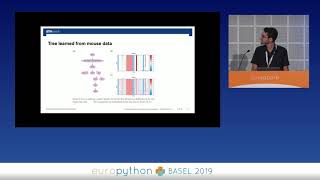
Bioinformatics Pipeline for Revealing Tumour Heterogeneity
Explore a Python-based bioinformatics pipeline for analyzing single-cell DNA sequencing data to reveal tumor heterogeneity, aiding in personalized cancer treatment decisions.
When a Biologist Met Python
Explore the intersection of biology and Python, discovering how computational tools enhance biological research and improve scientific workflows.
When a Biologist Met Python
Explore the intersection of biology and Python, discovering how this programming language revolutionizes research in computational biology and bioinformatics through various modules and tools.
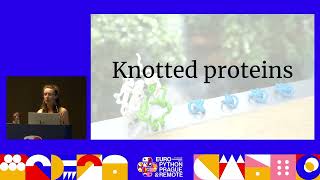
Using NLP to Detect Knots in Protein Structures
Explore how NLP and machine learning detect protein knots from amino acid sequences, uncovering their impact on function and stability using Python-based tools like Biopython and Hugging Face.

Deep Dive - Volcano
Explore Volcano, a batch system for Kubernetes, designed for machine learning, bioinformatics, and big data workloads. Learn its features, benefits, and integration with popular frameworks.
Return of the Kraken - Bioinformatics at Scale with Kubernetes
Explore how Kubernetes, Prometheus, and Helm are used to scale complex bioinformatics tools like Kraken for rapid bacterial profiling, bridging academic software with modern infrastructure.
KubeGene - A Genome Sequencing Workflow Management Framework
Explore KubeGene, a Kubernetes-based framework for managing large-scale genome sequencing workflows, enabling efficient data processing and analysis for various sequencing scenarios.
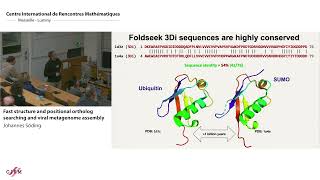
Fast Structure and Positional Ortholog Searching and Viral Metagenome Assembly
Explore fast structure searching, positional ortholog identification, and viral metagenome assembly techniques in bioinformatics and genomics research.

Understanding Cancer Through Proteomics
Danny Hillis explores proteomics as the next frontier in cancer research, explaining how studying proteins in the body can lead to new insights into cancer development and potential treatments.

Reconstructing Every Haplotype with De Novo Assembly
Discover advanced techniques for haplotype-resolved de novo genome assembly, focusing on phased assembly graphs and innovative methods for diploid and polyploid genome reconstruction.
ML-Enabled Genetic Association Studies of High-Content Phenotypes
Explore cutting-edge machine learning applications in genetic association studies, focusing on high-content phenotypes and innovative frameworks like HistoGWAS for analyzing tissue phenotypes in histology cohorts.

How to Write Layered Sequence Lines in Music Composition
Master three distinct approaches to composing layered sequence lines for enhanced musical arrangements and production quality in Cubase.
STRUCTURE Harvester: Determining Optimal Subpopulations Using Python Scripts
Master the STRUCTURE Harvester analysis method using Python scripts to determine optimal subpopulation numbers in genomic data, with practical demonstrations and result interpretation guidance.
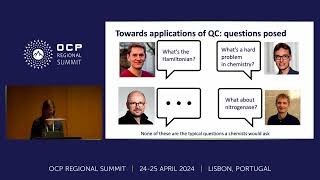
Quantum Computing for Life Science Simulations and Optimizations
Explore how quantum computing can revolutionize life science research through innovative approaches to problem-solving, accessibility, and cross-disciplinary collaboration.
Text-to-Graph with Large Generative Graph Models
Explore cutting-edge research on large generative graph models and their applications in biomedicine and cybersecurity through diffusion-based technology and text-to-graph conversion.
AI-Driven Drug Repurposing: Multi-Agent Approach in Bioinformatics
Explore how three AI agents work together to revolutionize drug discovery through molecular binding prediction, knowledge graph analysis, and scientific literature mining for faster medical breakthroughs.
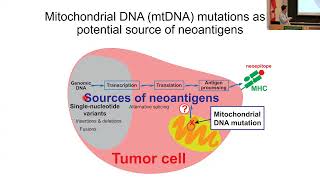
How to Generate New Hypotheses and Research Directions by Single-Cell Data Analysis
Discover advanced techniques for analyzing single-cell data to develop innovative research hypotheses and explore new directions in cancer research and mathematical oncology.