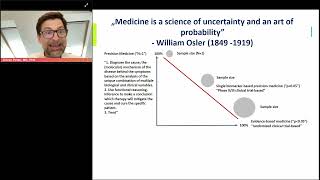
AI in Precision Oncology: Personalized Treatment Ranking Based on Molecular Information
Explore AI-driven personalized cancer treatment ranking using comprehensive molecular data. Learn about innovative computational methods for precision oncology and targeted therapy selection.
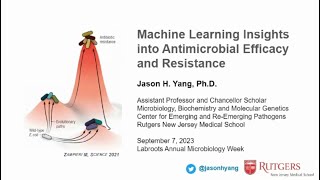
Machine Learning Insights into Antimicrobial Efficacy and Resistance
Explore machine learning innovations addressing antimicrobial resistance challenges in understanding, diagnosis, and treatment. Gain insights from Dr. Jason H. Yang on combating this global health threat.
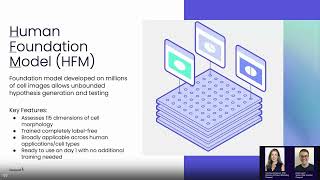
Introducing REM-I: Deepcell's AI-Powered Instrument for Single Cell High-Dimensional Morphology Analysis
Explore AI-powered single-cell morphology analysis with REM-I, combining high-resolution imaging and deep learning for comprehensive cellular insights.
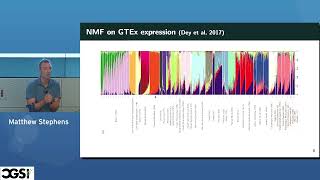
Empirical Bayes Matrix Factorization and Parts-Based Representations
Explore empirical Bayes matrix factorization and parts-based representations in computational genomics, focusing on tumor transcriptional heterogeneity analysis from single-cell RNA-seq data.
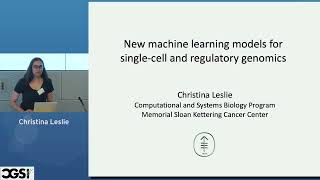
New Machine Learning Models for Single-cell and Regulatory Genomics
Explore cutting-edge machine learning models for single-cell and regulatory genomics, focusing on enhancer identification, chromatin accessibility analysis, and 3D genome structure prediction.
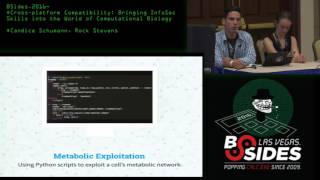
Cross-platform Compatibility - Bringing InfoSec Skills into the World of Computational Biology
Explore how information security skills can be applied to computational biology, bridging two diverse fields for innovative problem-solving and research advancements.
How Developers Can Treat Ovarian Cancer
Explore how developers leverage genomics and bioinformatics to create an evidence-based engine for personalized ovarian cancer treatment, using technologies like Clojure and Neo4J.
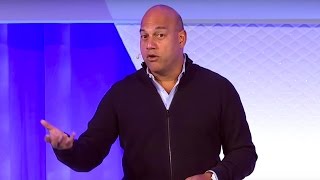
Becoming an Exponential Manufacturer
Explore exponential manufacturing with Salim Ismail, covering disruptive technologies, biotech, and innovation. Learn strategies to adapt and thrive in rapidly evolving industries.
An Introduction to Synthetic Biology
Explore synthetic biology with pioneer Andrew Hessel, comparing computing and biology. Learn about genetic code writing, economic impacts, ethical concerns, and future possibilities in this cutting-edge field.

An Atlas of Human Cells
Explore the ambitious Human Cell Atlas project, its potential to revolutionize personalized medicine, and its applications in various diseases and therapeutic advancements.
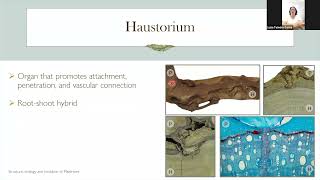
Christmas Tradition - Structure, Ecology and Evolution of Mistletoes
Explore mistletoe's ecology, evolution, and unique parasitic lifestyle. Learn about its diversity, morphology, and adaptations, as well as its ecological importance and responses to environmental changes.

Computation in the Brain Tutorial - Part 2
Explore neural computation models, focusing on assembly calculus and its applications in language processing, with insights from leading researchers in computational neuroscience.
Driving Public Health - A Trillion Points of Data
Explore how big data and bioinformatics revolutionize public health, from pinpointing risks to improving care for millions, with insights from a leading expert in precision medicine.

Docker and Bioconductor - Delivering Containerized Open-Source Genomic Data Analysis Software
Explore containerized genomic data analysis with Bioconductor and Docker. Learn how Docker simplifies complex dependencies, enhances reproducibility, and streamlines deployment for efficient scientific research.
Monitoring the Microbiome in Leukemia Patients Could Reduce Infections During Chemotherapy
Explore how monitoring the microbiome in leukemia patients during chemotherapy can reduce infection risks and improve treatment outcomes through microbial diversity analysis.
Fermentative Food Microbiome
Explore the fascinating world of fermentative food microbiomes, from cheese to other fermented products. Learn about new technologies, metabolomics, and the future of fermented food microbiology.
A Bad Year with Great Papers in Clinical Microbiology
Explore key clinical microbiology research from 2020, including COVID-19 testing innovations, metagenomics advances, and emerging antibiotic resistance, as discussed by journal editors.
Molecular Epidemiology - Critical Applications in Public Health and Clinical Laboratories
Explore emerging technologies in molecular epidemiology and their impact on public health and clinical laboratories. Learn about pathogen genomics, metagenomics, and their applications in disease surveillance and outbreak investigations.
Microbes Controlling the Climate
Explore how airborne microorganisms may influence weather events, focusing on bacteria's role in hailstone formation and its implications for understanding microbial impact on climate.
The Role of the Microbiome in Infection Control
Explore the impact of microbiome disruption on infection control, focusing on C. difficile and multidrug-resistant organisms. Learn about potential interventions and future directions in healthcare epidemiology.
Hidden Risks of Biometric Identifiers and How to Avoid Them
Explore cutting-edge biometric technologies, their advantages, and potential risks. Learn to evaluate security, reliability, privacy, and ethical concerns for informed implementation of future identification systems.