Beyond Conventional - Embracing Python and LLMs for Quality Assurance
Discover how to revolutionize quality assurance by combining Python with LLMs, implementing proactive monitoring, enhancing test coverage, and creating dynamic documentation for improved software testing.

Hardware Is the New Software - Finding Exploitable Bugs in Hardware Designs
Explore techniques for identifying and exploiting security vulnerabilities in hardware designs, focusing on RISC-V and OR1k CPU architectures using innovative tools and symbolic execution.
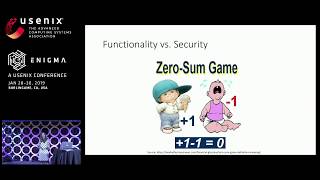
Why Even Experienced and Highly Intelligent Developers Introduce API Vulnerabilities
Explores why experienced developers introduce vulnerabilities through API misuse, examining cognitive factors and personality traits affecting code security detection abilities.
Dig Into the Attack Surface of PDF and Gain 100+ CVEs in 1 Year
Explore PDF vulnerabilities, efficient fuzzing techniques, and attack surface analysis to uncover 100+ CVEs in a year, with statistical insights on security weaknesses.

Event-based Fuzzing, Patch-based Research, and Comment Police - Finding Bugs Through a Bug
Discover innovative bug-hunting techniques: event-based fuzzing, patch analysis, and comment inspection. Learn to leverage known vulnerabilities for deeper security research in Chrome and Android.

Malware Classification With Machine Learning Enhanced by Windows Kernel Emulation
Explore hybrid machine learning for malware classification using static and dynamic analysis, Windows kernel emulation, and neural networks. Learn about adversarial ML and future developments.
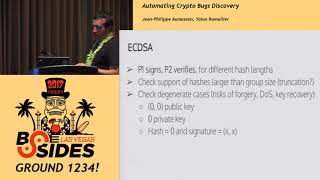
Automating Crypto Bugs Discovery
Explore automated techniques for discovering cryptographic vulnerabilities, focusing on differential fuzzing and CDF interfaces to enhance security testing efficiency.

CodingFutureCoders - Opening Keynote
Explore innovative strategies for teaching coding to young girls and minorities, empowering the next generation of tech leaders through engaging and inclusive methods.

Your TDD Treasure Map - Strategies for Building a Robust Test Suite
Discover strategies for effective TDD implementation, from identifying test cases to building robust test suites, suitable for both beginners and experienced developers.

O(1), O(n), and O(#$*&!) - Understanding and Optimizing Code Performance
Learn to identify, diagnose, and fix common performance issues in your code using OpenTelemetry tools, and implement automated performance testing for long-term optimization.

Design Pattern for Test Automation
Amplify code reusability and enhance test automation planning with best practices for designing maintainable and efficient frameworks.

Shift Left Testing: Zero or Hero?
Explore the concept of shift left testing in software development and its impact on identifying and addressing issues early in the lifecycle.

Mastering Test Automation for Microservices - Tools, Techniques, and Best Practices
Enhance microservices quality through automated testing techniques, including API, contract, and chaos testing. Gain practical knowledge for implementing effective test automation.

Introduction to Travis CI - Continuous Integration for GitHub and Bitbucket Projects
Explore Travis CI, a hosted continuous integration service for building and testing GitHub/Bitbucket projects. Learn its features, benefits, and comparison with Jenkins.

Terratest - Automated Tests for Your Infrastructure Code
Automate infrastructure code testing with Terratest, validating Terraform configurations for desired outcomes in unit and integration testing.

Improve Upstream Code Quality by Bringing Testing to Patch Level
Enhance upstream code quality through patch-level testing. Learn strategies for early bug detection, efficient collaboration between testers and developers, and streamlined release processes.
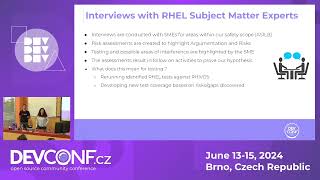
Leveraging RHEL's Strengths for Testing and Continuous Improvement
Explore RHEL's approach to ISO 26262 certification, focusing on test execution, validation frameworks, and KPIs for continuous improvement in functional safety.

Streamlining Model Deployment - AI in Production
Explore strategies for optimizing AI model deployment pipelines, including open governance, runtime benchmarks, and dynamic routing. Learn to make AI deployments faster, cheaper, and more accurate in a rapidly evolving landscape.

Is Physical Dependency a Dealbreaker in IoT? Not Anymore! - Overcoming Challenges in IoT Automation
Explore virtual services in IoT testing, overcoming physical limitations for efficient automation and continuous delivery in cloud infrastructures.

Why Performance Testing Initiatives Fail - Common Pitfalls and Solutions
Explore common pitfalls in scale and performance testing initiatives and learn strategies to avoid them for more effective and valuable testing outcomes.
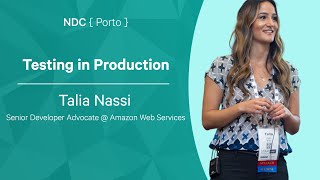
Testing in Production
Strategies for proactive testing in production to improve accuracy, speed, and confidence. Learn about feature flagging, canary releases, and data cleanup to mitigate risks and enhance user experience.