
Building a CPU Using GPT for Every Instruction
Explore building a CPU using GPT for every instruction, compiling C code to LLVM-IR. Learn about compilers, virtual machines, and innovative applications of language models in computing.

SpeedTree vs Plant Factory Comparison - Is Plant Factory Better?
Comparative analysis of SpeedTree and Plant Factory for 3D vegetation modeling, exploring features, workflow, and output quality to determine the better tool for digital artists.

Building a Web Version of a Board Game - Learn with Jason
Learn to create a web-based board game using HTML, CSS, and JavaScript. Explore game logic implementation, UI design, and leveraging web technologies for interactive gameplay experiences.
AI in Gaming
Explore AI applications in gaming, from NPC behavior to procedural content generation. Learn cutting-edge techniques shaping interactive entertainment.
Learning Agents for Games using Databricks
Accelerate reinforcement learning for games with Databricks' advanced analytics, collaborative tools, and rapid deployment capabilities.

Blender Beginners Tutorial - Modeling & Unwrapping a Game Ready Flashbang
Learn to model and unwrap a game-ready flashbang in Blender, covering lowpoly and highpoly creation, UV mapping, and preparation for texturing using various plugins and techniques.
Creating a 2D Skateboarding Game in Unity - Full Tutorial
Learn to create a 2D skateboarding mobile game in Unity, featuring procedural generation, animations, and engaging gameplay mechanics. Develop skills in character control, level design, and game systems implementation.

Optimal Collision and Avoiding Common Mistakes in Unreal Engine
Explore collision optimization in Unreal Engine, learn to avoid common mistakes, and discover when to use different collision types for improved gameplay and performance.

Gameplay-Conscious Level Design - Inside Unreal
Explore prototyping, playtesting, and technical aspects of level design that enhance core gameplay loops, ensuring an optimal player experience.
Blueprint vs. C++ - Knowing the Difference and When to Apply It
Explore key differences between Blueprint scripting and coding in game development, debunking optimization myths and learning when to use each method for optimal results.

The Creativity Process Behind GRIS
Explore the creative journey behind GRIS, a wordless narrative game. Discover artistic tools, design challenges, and innovative approaches used to craft an emotionally engaging experience accessible to all players.

Frost Mortem - Bending Space without Bumping into Each Other
Innovative VR game design: co-op puzzle, hand-tracking, and redirected walking for immersive, controller-free gameplay in shared space. Insights on development and unique interaction techniques.

Behind the New York Times Crossword
Explore the tech behind The New York Times Crossword: serverless architecture, Go rewrite, traffic management, and innovation driving the popular puzzle from creation to solving.

Mapping Imaginary Cities
Explore algorithms and techniques for procedurally generating fictional city maps, including topography, landscape, populations, and street plans. Dive into maps as a creative tool for conveying ideas about space and inhabitants.

From Video Games to Fashion - A Machine Learning Journey
Explore machine learning applications in gaming and fashion industries, focusing on consumer behavior prediction using advanced models like CNN, LSTM, and DeepAR for personalized experiences.

Making Games for 1920s Hardware
Explore the development of "Hello, Operator!", a game using a 1927 telephone switchboard. Learn about blending old and new tech, hardware challenges, and cross-platform game engine design.
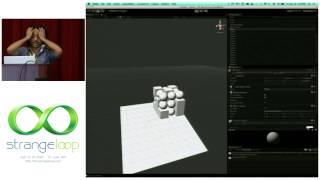
Clojure in Unity 3D - Functional Video Game Development
Integrating Clojure with Unity 3D for game development, enabling REPL-based live coding, optimizing macros, and persistent data structures. Explore new possibilities in AI, logic programming, and game state management.

Tracking Millions of Ganks in Near Real Time
Explore Riot Games' transition to Riak for real-time statistics in League of Legends, discussing data modeling, scalability challenges, and strategies for handling eventually consistent data in gaming.

The Early Days of id Software - Programming Principles
Explore id Software's early programming principles and game development methodology with co-founder John Romero, offering insights into the creation of iconic titles like DOOM and Quake.
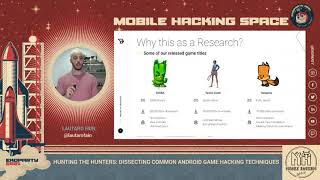
Dissecting Common Android Game Hacking Techniques - Mobile Hacking
Explore Android game modding techniques, focusing on Unity-based games. Learn how attackers modify mobile games and how developers can detect these modifications through APK inspection.

What to Hack
Entdecken Sie spannende Hackerprojekte: von dezentralen Twitter-Alternativen bis zu Filmen über Hackerspaces. Erfahren Sie, was auf der GPN gebastelt wird.