New 2D Workflows and AI Enhancements for Game Art - Unite 2024
Discover time-saving AI-powered 2D workflows for game art, eliminating repetitive tasks and simplifying prop creation in Unity.

Procedural Generation in Godot
Learn techniques for creating mazes, infinite worlds, 2D terrain, and dungeons using procedural generation in the Godot game engine.
Wave Function Collapse
Explore the Wave Function Collapse algorithm for procedural image generation through live coding sessions. Learn implementation, refactoring, and handling asymmetrical tiles in JavaScript with p5.js.

Desert Landscape in Redshift - Cinema 4D Tutorial
Learn to create a procedural desert sand dune landscape in Cinema 4D and Redshift. Master techniques for realistic sand textures, wave patterns, and object imprints using various nodes and deformers.
Creating an Environment in Unreal Engine 5 Using Megascans
Master environment creation in Unreal Engine 5 using Megascans. Learn modeling, lighting, and advanced techniques to craft stunning, detailed scenes with professional tips for aspiring game developers.
Deep Learning in Gaming with Idan Beck
Explore AI/ML applications in gaming, covering navigation, task planning, procedural generation, and reinforcement learning, with insights from Unity expert Idan Beck.
Imitating Shortest Paths in Simulation for Real-World Robot Navigation and Manipulation
Exploring how imitating shortest path planners in simulation can produce effective real-world robots for navigation and manipulation, without human demonstrations or reinforcement learning.
Cinema 4D Tutorial - Procedural Concrete & Plaster - Octane
Learn to create realistic procedural concrete and plaster materials in Cinema 4D using Octane. Master noise techniques for detailed, non-repeating textures ideal for close-up shots and full creative control.
New Blender Addons for Summer 2024
Explore 60+ innovative Blender addons for 3D modeling, texturing, simulation, and more. Enhance your workflow with cutting-edge tools for various creative tasks.
3ds Max and TyFlow Tutorial - Procedural Bubbles
Learn to create procedurally-generated bubble blowing effects using 3ds Max and TyFlow. Master TyBoolean and TyMesher modifiers to enhance your 3D animations and visual effects skills.
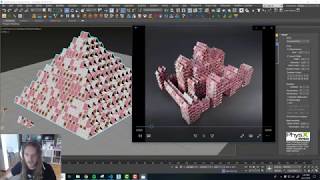
3ds Max and TyFlow Tutorial - Card Castle Destroyer
Create a procedural playing-card castle in 3ds Max using TyFlow, then destroy it with a cannonball in this step-by-step tutorial with downloadable project files.
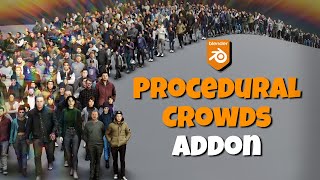
Procedural Crowds Addon for Blender - Review-Tutorial
Explore Blender's Procedural Crowds addon for efficient crowd generation. Learn installation, quickstart guide, custom character preparation, and integration techniques for realistic crowd simulations.
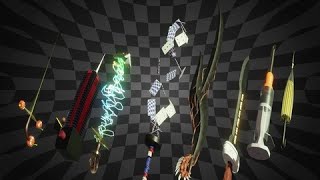
Ten Thousand Swords - Geometry Nodes Sword Generator Tutorial
Create a sword generator in Blender's Geometry Nodes, enabling the production of diverse sword designs with customizable components and unique variations for creative challenges.
Weaving Art and Code Together - Enhancing Creativity and Productivity
Explore how programming enhances artistic creativity and productivity, with insights on integrating code into artwork for more effective storytelling and efficient creation.
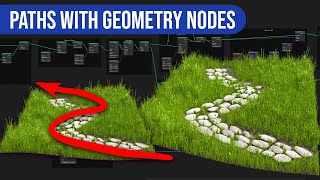
Geometry Nodes in Blender 4 - Creating Procedural Pathways Tutorial
Learn to create procedural stone pathways in Blender 4 using Geometry Nodes. Master curve manipulation, mesh generation, and grass integration for a dynamic, easily adaptable 3D environment.
Algorithmically Generated Visual Designs
Explore algorithms generating visual designs inspired by math, nature, and art. Learn about procedural processes, image variation, and dataset creation for analyzing viewer responses.
From Procedural Game Assets to Generative Art - Modern Tools and Unconventional Approaches
Explore the evolution from procedural game assets to generative art, discovering innovative approaches that merge modern tools with unconventional creative methodologies for digital artistic expression.
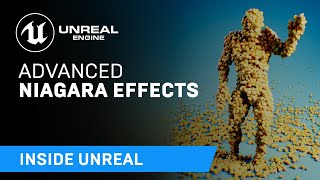
Advanced Niagara Effects - Inside Unreal
Explore advanced Niagara effects in Unreal Engine 5, including bats, insect swarms, and popcorn simulations. Learn techniques like spatial hashes, boid simulators, and position-based dynamics for creating realistic visual effects.
Starting an Indie Studio From Scratch - Moving Pieces' Journey Into Game Dev - Inside Unreal
Moving Pieces shares their indie game development journey, from starting with no programming experience to creating successful titles. They discuss team dynamics, technical challenges, and insights into their upcoming game's innovative features.
Inside Unreal - MegaAssemblies
Explore MegaAssemblies in Unreal Engine 5, learning their importance, usage, and optimization. Dive into performance, modeling tools, collision, and procedural generation for efficient world-building in game development.
Hero Quest Map Generator with Python - Part 1
Learn to create a Python-based map generator for Hero Quest, exploring random distributions, door placement, and room generation techniques.