Health Equity Among Native Hawaiians and Other Pacific Islanders - Combating Structural Racism in Data
Explore data disaggregation and inclusion of Native Hawaiians and Pacific Islanders in medical research to combat systemic racism and address health disparities specific to these populations.

Using Nudges to Create Sustainable Lifestyle Changes
Learn strategies to create an environment that promotes healthy choices through nudges, with actionable examples to help achieve your health goals from a registered dietitian and diabetes educator.
Gout in the Asian Population - Risk Factors, Symptoms, and Management
Explore gout's impact on Asian populations, including risk factors, symptoms, diagnosis, and management strategies. Learn about treatment options and lifestyle changes for better health outcomes.
The Mystery Headache: CSF Leak - A Fixable Cause of Daily Headache - 2023 Update
Explore spontaneous intracranial hypotension as a potential cause for chronic headaches, its symptoms, and effective treatment options in this informative medical lecture.
Healthy Holiday Treats and Eats for Diabetes Wellness
Discover healthy holiday meal ideas and treats with a registered dietitian, focusing on maintaining wellness during festive seasons for those managing diabetes.
Systemic Options for Prostate Cancer After Local Radiation
Explore new data on medical therapies for prostate cancer, including chemotherapy, hormone therapy, androgen-deprivation therapy, and combination treatments.
Understanding Obesity: From Stigma to Solutions
Explore novel therapies and solutions for obesity, moving beyond stigma. Learn about weight loss medications and strategies to improve health outcomes for overweight individuals.

How You Can Live Better with Type 2 Diabetes
Practical tips for managing Type 2 diabetes through diet, physical activity, sleep, and stress reduction. Empowers patients to take control of their health for better living with diabetes.
Alcohol-Induced Facial Flushing and Health Implications
Explore the genetic cause of alcohol-induced facial flushing, its prevalence among Asians, and associated health risks. Learn about ongoing research and public health initiatives addressing this condition.
Increased Risk of Gastric Cancer in Asians - Causes and Strategies for Early Detection
Explores gastric cancer's disproportionate impact on Asian Americans, discussing risk factors, early detection strategies, and the need for improved national policies to address this healthcare disparity.
Fertility and Pregnancy Loss Research at Stanford
Explore Stanford's cutting-edge research on fertility and pregnancy loss, including studies on implantation failure, endometriosis, frozen embryo transfer outcomes, and sickle cell disease's impact on ovarian reserve.
Recurrent Miscarriage - Stanford's Multispecialty Approach
Stanford's multispecialty approach to recurrent miscarriage explores genetic, hematologic, uterine, and male factors. Learn about causes, treatments, and innovative solutions for couples facing repeat pregnancy loss.
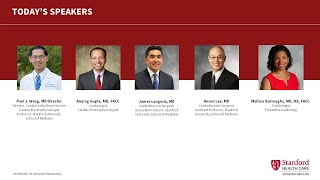
The Heart of AFib - Risk, Prevention, and Treatment
Comprehensive overview of atrial fibrillation, covering its mechanics, risks, prevention strategies, and cutting-edge treatments. Experts discuss medications, ablation techniques, surgical options, and lifestyle modifications for managing AFib.
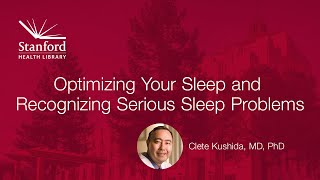
Optimizing Your Sleep and Recognizing Serious Sleep Problems
Dr. Kushida explores sleep patterns, common sleep issues, and effective strategies for improving sleep quality. Learn to recognize serious sleep problems and discover practical tips for optimizing your rest and overall well-being.
Managing Pain When Living With Cancer
Explore holistic approaches to pain management in cancer, addressing physical, psychological, and spiritual aspects with Dr. Grant Smith, a Stanford palliative care physician.

Stanford Doctor on Innovations in Treating Hearing Loss
Explore types of hearing loss and cutting-edge treatments with Dr. Santa Maria, addressing the third most common health problem in the US and its impact on quality of life.
Cooking and Measuring Healthy Portions of Carbs for Diabetes Wellness
Learn practical tips for measuring and cooking healthy carb portions to manage diabetes effectively. A registered dietitian shares strategies for satisfying meals and balanced nutrition.
Health Goals - Progress and Plateaus
Actionable strategies to stay on track or overcome plateaus in health-related goals, presented by a clinical dietitian. Learn effective techniques for maintaining motivation and progress in your wellness journey.
Childhood Inflammatory Bowel Disease - Advancing Toward Precision Medicine
Explore advancements in pediatric IBD treatment through tissue gene expression and intestinal organoids, led by Dr. Michael Rosen, Director of Stanford's Center for Pediatric IBD and Celiac Disease.

Heart Transplant Innovations and Patient Experiences - 2022 Virtual Symposium
Explore innovations in heart transplantation, patient experiences, and post-transplant care. Gain insights from medical experts and transplant recipients on advancements, hypertension management, and life after surgery.

How Does Cholesterol Fit in Your Prevention Profile
Explore the impact of cholesterol on heart health, understand lipid test results, and learn strategies to improve your numbers and reduce cardiovascular risk with expert insights.